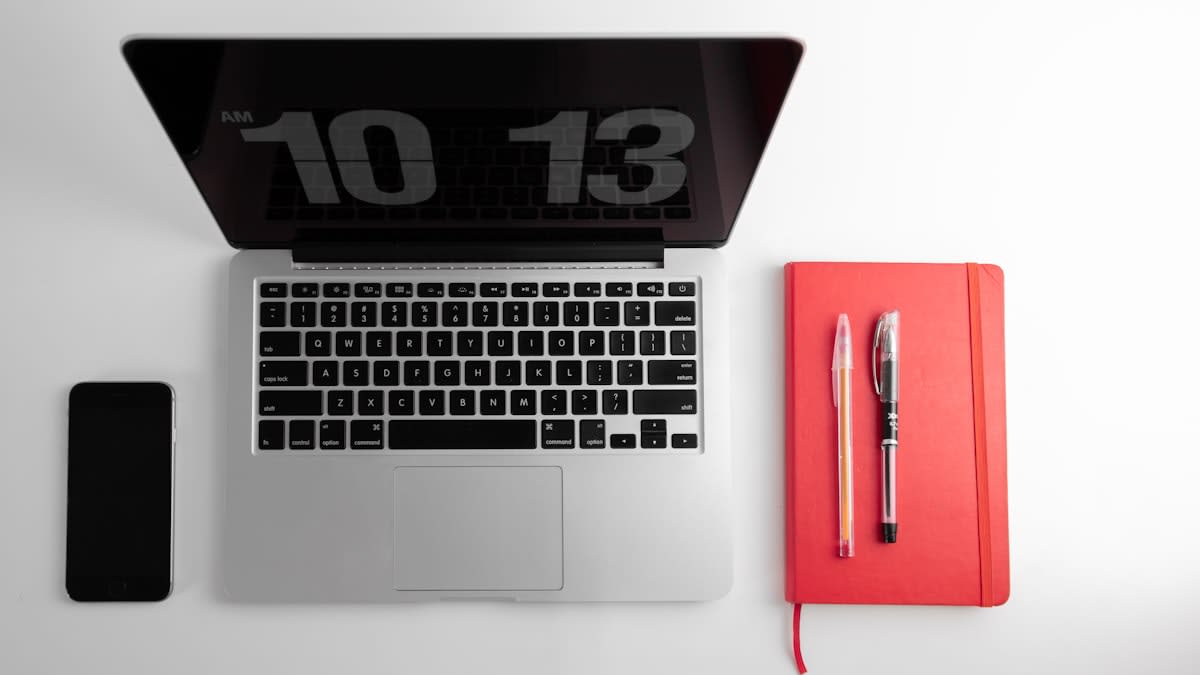
The prevailing narrative suggests that Gen Z and Alpha are digital natives, born into a world of seamless interfaces and algorithmic curation. We are told they are the architects of a paperless, cordless future. Yet, if you walk through the Shimokitazawa district in Tokyo or the creative hubs of Berlin, you will see a different reality. Young adults are not just buying vinyl records; they are obsessing over the mechanical click of a typewriter and the chemical scent of darkroom photography. This is not a superficial trend. It is a systemic correction.
As a strategic analyst who has spent two decades tracking systemic shifts, I view this as the 'Tactile Correction.' For years, the tech industry chased the elimination of friction. Every click was streamlined, every wait time reduced, and every physical touchpoint digitized. But in removing friction, we removed the sensory anchors that ground human experience. The digital generation is now quietly reclaiming these anchors, not because they hate technology, but because they are starving for the physical resistance that makes an action feel real.
The Economics of Intentional Friction
The data confirms that this is a market-wide pivot, not a niche hobby. The resurgence of vinyl is the most visible indicator. According to the Recording Industry Association of America (Source: RIAA, 2023), vinyl records outsold CDs in units for the second consecutive year, marking a decade-long climb in popularity. This shift represents a fundamental change in how we value ownership. In a streaming economy where music is a utility—like water or electricity—the physical record transforms a song back into an object. It demands a ritual: the cleaning of the disc, the careful drop of the needle, the physical act of flipping the record.
| Medium | Digital Equivalent | Primary Psychological Driver | Growth Indicator (Est.) |
|---|---|---|---|
| Vinyl/Cassette | Spotify/Apple Music | Ritual & Ownership | High (10-15% YoY) |
| Analog Film | Smartphone Camera | Delayed Gratification | Moderate (5-8% YoY) |
| Physical Journals | Notion/Evernote | Cognitive Processing | Steady (3-5% YoY) |
| Print Books | Kindle/E-books | Sensory Focus | Resilient/Growing |
Why does this happen now? The answer lies in the concept of 'Cognitive Load.' Digital interfaces are designed for efficiency, but efficiency is the enemy of memory. When we scroll through a thousand photos in a second, we experience a blur of data. When we wait three days to develop a roll of 35mm film, we engage in a process of anticipation. This delayed gratification is a psychological luxury in an era of instant dopamine hits. (Source: Luminate Music Reports, 2023).
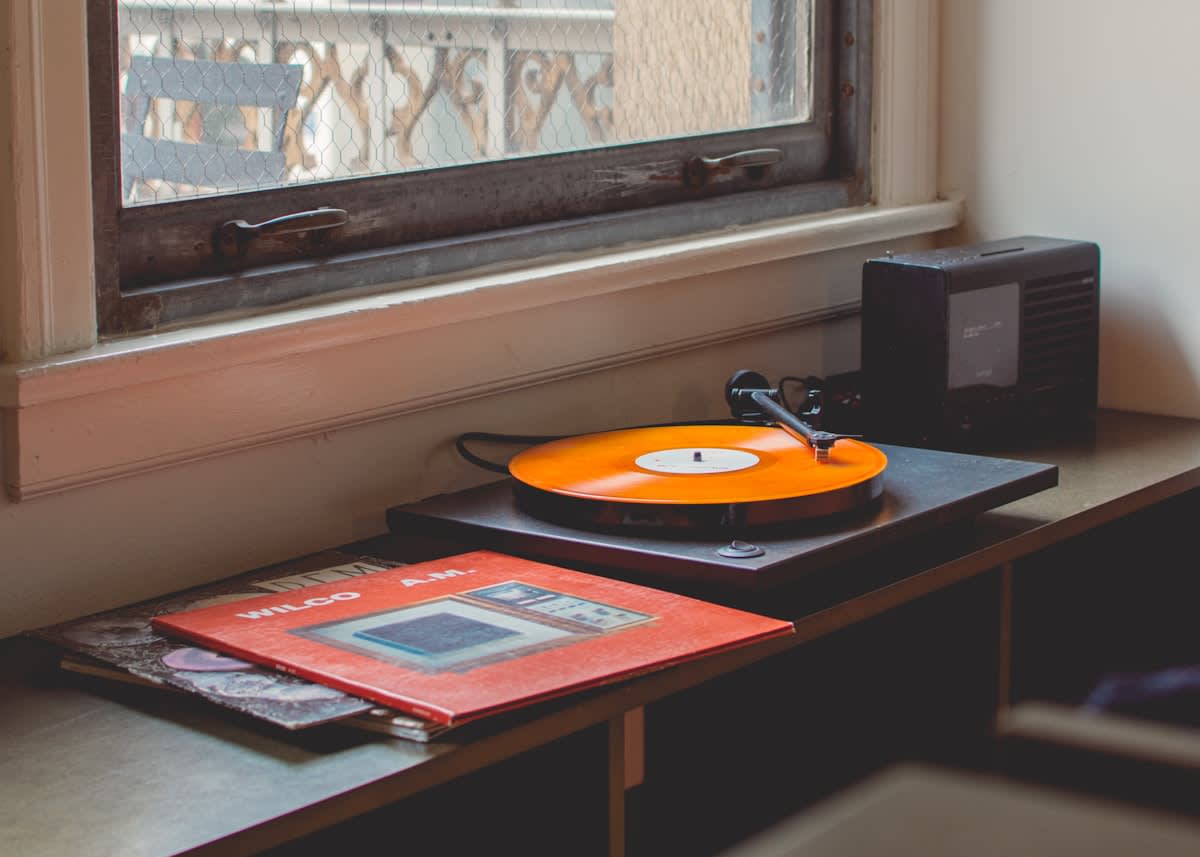
This trend isn't limited to the West. In South Korea, the 'analog' cafe culture has exploded, where young professionals leave their smartphones in lockers to spend hours writing letters or listening to LPs. In India, there is a burgeoning interest in fountain pens and high-grade stationery among urban youth who find the act of handwriting to be a form of mindfulness. These are not isolated incidents; they are global symptoms of a shared exhaustion with the ephemeral nature of the cloud.
"The digital world offers us everything but the feeling of existence. By returning to tactile objects, the younger generation is attempting to re-establish a boundary between their identity and their data profile."— Dr. Elena Rossi, Behavioral Psychologist at the European Institute of Technology
From a practitioner's perspective, this shift creates a fascinating tension in product design. For years, the mantra in UX (User Experience) was 'remove all friction.' We wanted the path from desire to purchase to be a single click. But now, internal debates among designers are shifting. We are seeing a rise in 'intentional friction'—designing moments that force the user to slow down. The debate is no longer about how to make a process faster, but how to make it more meaningful. If a product is too seamless, it becomes invisible; if it has weight and resistance, it becomes an experience.
The Cognitive Cost of the Cloud
Consider the act of reading. An e-reader can hold ten thousand books, but it provides no spatial map of the information. A physical book has a beginning, a middle, and an end that you can physically feel in your hands. Your brain uses these tactile cues—the thickness of the pages remaining—to anchor the narrative in your memory. This is why physical print continues to thrive despite the convenience of tablets. (Source: Statista Global Consumer Survey, 2022).
Growth of Analog Mediums Among Gen Z (2018-2023)
Executive Insight
+18.4%
YTD Growth
We must ask: is this a rebellion or an evolution? I argue it is an evolution. The digital generation is not abandoning the screen; they are integrating the physical to balance the psychological cost of the digital. They use a MacBook for work and a Moleskine for thinking. They stream their discovery playlists but buy their favorite albums on wax. This is a hybrid existence—a strategic layering of tools designed to optimize both productivity and sanity.

The systemic shift we are witnessing is the commodification of 'slowness.' In an economy that prizes speed above all else, the ability to slow down has become a status symbol. Owning a record player or a film camera is a signal that you possess the most valuable resource of the 21st century: undivided attention. When you commit to a physical medium, you are making a statement that your time is not merely for consumption, but for engagement.
Ultimately, the Analog Renaissance is a reminder that humans are biological entities, not data points. We have skin, fingertips, and a vestibular system that requires physical interaction to feel secure. The digital world is a powerful tool, but it is a poor environment for living. By returning to the tactile, the digital generation is not moving backward; they are moving inward, reclaiming the sensory richness that the cloud attempted to optimize away.
Fact-Check & Accuracy Note
Key statistics regarding vinyl sales and consumer trends are sourced from the RIAA (2023) and Luminate reports. Data on print and e-book resilience is based on Statista's 2022 Global Consumer Survey. There remains an ongoing debate among sociologists as to whether this shift is a permanent behavioral change or a cyclical fashion trend, though the market growth suggests a deeper psychological driver.