
We are drowning in data but starving for permanence. Every second, petabytes of human experience—emails, government records, cultural memes, and scientific breakthroughs—are etched into silicon and magnetic tape. On the surface, this looks like the ultimate victory of memory. We have effectively outsourced our collective consciousness to a global network of servers, believing that the sheer volume of our output guarantees its survival. But volume is not the same as durability. We have confused accessibility with preservation.
The paradox is stark. A Sumerian clay tablet from 3000 BCE requires nothing more than a light source and a trained eye to read. In contrast, a document created in 1995 requires a specific operating system, a compatible file reader, and hardware that likely decayed a decade ago. We have traded the slow, steady decay of physical matter for the rapid, systemic obsolescence of logical frameworks. This is not a technical glitch; it is a structural flaw in how we conceptualize information.
The Illusion of the Infinite Archive
The cloud is a marketing term, not a technical reality. In truth, the cloud is simply someone else's computer, located in a climate-controlled warehouse in Virginia, Ireland, or Singapore. This centralization creates a dangerous systemic vulnerability. We have moved from a distributed model of memory—where libraries and archives existed in every city—to a consolidated model where a handful of corporations hold the keys to our history. If the subscription ends or the server farm fails, the memory vanishes.
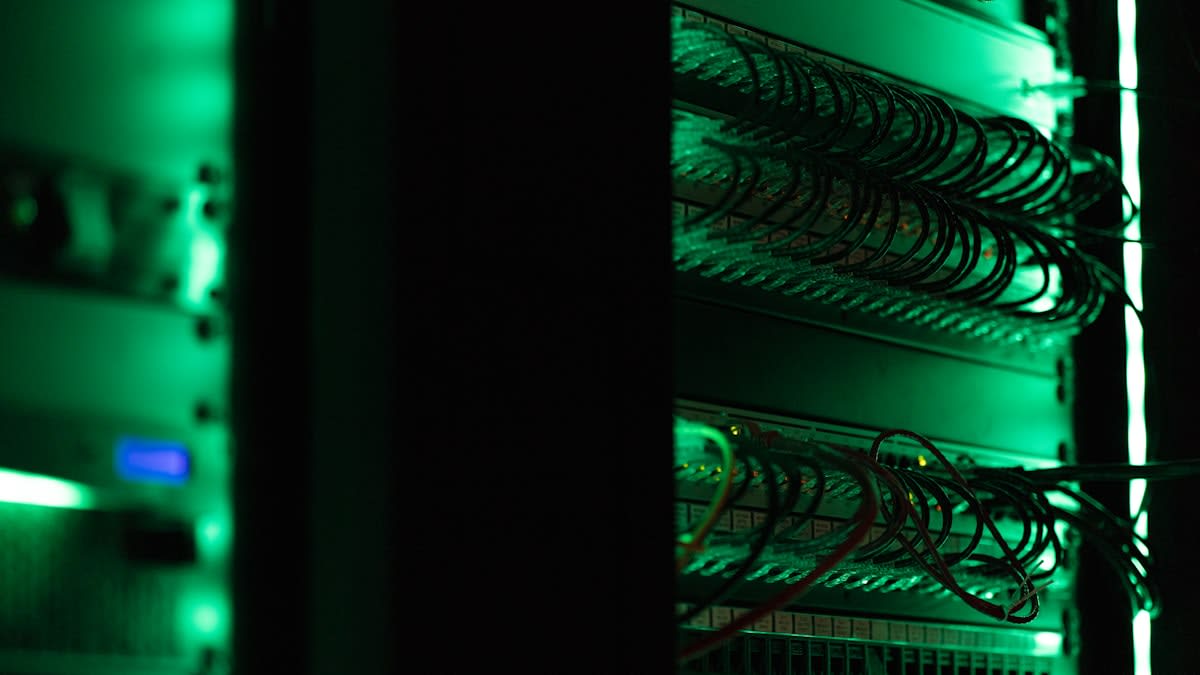
Consider the concept of bit rot. Over time, the magnetic polarity of a hard drive flips or the charge in a flash cell leaks. This is a physical inevitability. While error-correcting code can mitigate some of this, the scale of current data production makes manual verification impossible. We are trusting algorithms to maintain the integrity of our history, but these algorithms are themselves software that will eventually become obsolete. We are building a skyscraper of information on a foundation of shifting sand.
"The danger is not that we will forget, but that we will possess the data and lose the ability to understand it."— Strategic Analysis of Information Theory
This shift represents a fundamental decoupling of the message from its medium. For millennia, the medium was the protector. Vellum, stone, and acid-free paper were designed for the long haul. Now, the medium is a transient state of electricity. To keep a digital file alive, it must be constantly moved, migrated, and rewritten. Memory has changed from a state of being to a state of active maintenance. If we stop moving the data, it dies.
The Software Gatekeepers
Hardware failure is a nuisance, but software obsolescence is a catastrophe. Proprietary formats are the invisible walls of the Digital Dark Age. When a company goes bankrupt or decides to sunset a product, the files created in that ecosystem become encrypted tombs. We see this in the struggle to recover early 2000s corporate archives or the loss of early social media interactions. The data exists, but the key to unlock it has been deleted.
| Medium | Estimated Lifespan | Dependency | Risk Level |
|---|---|---|---|
| Clay Tablet | 5,000+ Years | Visual Light | Very Low |
| Acid-Free Paper | 500 Years | Visual Light | Low |
| Magnetic Tape | 10-30 Years | Specific Drive Hardware | Medium |
| SSD / Flash | 3-10 Years | Power/Controller Logic | High |
| Cloud Storage | Indefinite | Corporate Solvency/Internet | Critical |
Why does this matter globally? Because the power to curate history has shifted from public institutions to private entities. In the past, national archives in Tokyo, Berlin, or Mexico City decided what was worth keeping based on historical merit. Today, an algorithm in Silicon Valley decides what is archived based on engagement metrics. We are not leaving a record of our best achievements, but a record of our most clickable moments.
This systemic shift creates a skewed historical lens. Future historians will not see the quiet, essential movements of the 21st century; they will see the loudest ones. The nuance of diplomatic cables, the grit of grassroots organizing, and the complexity of scientific failure are often stored in ephemeral formats or deleted to save on storage costs. We are creating a high-definition record of the superficial and a low-resolution record of the substantial.
The Distortion Effect
The risk is not total data loss, but a fragmented, distorted record where only the most commercially viable data survives the migration cycles.
The transition from analog to digital was framed as a leap in efficiency. It was, in fact, a leap in fragility. We have traded the stability of the physical for the velocity of the virtual. This velocity demands a new kind of stewardship—one that is proactive rather than passive. We can no longer simply put a box in a basement and expect it to be there in a hundred years.
Adapting to the Ephemeral
Is there a way out of this invisible era? The answer lies in a return to redundancy and open standards. The most resilient digital archives are those that refuse to rely on a single vendor. By utilizing open-source formats like PDF/A or plain text, we strip away the proprietary layers that lead to obsolescence. The goal is to make the data self-describing, reducing the dependency on external software to interpret the bits.

We must also embrace the concept of the 'Digital Sieve.' We cannot save everything; the energy cost of maintaining zettabytes of trivia is unsustainable. The strategic challenge is identifying what constitutes the 'essential' record of our time. This requires a global consensus on digital curation, moving away from the 'save all' mentality toward a 'save the right things' strategy.
- Migration: Periodically moving data to new formats before the old ones die.
- Emulation: Creating software that mimics old hardware to read legacy files.
- Diversification: Storing data across multiple geographic regions and media types.
- Decoupling: Separating the raw data from the application used to view it.
The 21st century does not have to be a blank space in the history books. However, achieving that requires a shift in perspective. We must stop viewing data as a commodity and start viewing it as a legacy. The resilience of our era depends on our ability to build systems that outlast the companies that created them.
Ultimately, the Digital Dark Age is a choice. We can continue to trust the convenience of the cloud, or we can invest in the hard work of active preservation. The most sophisticated civilizations of the past were those that mastered the art of the archive. If we fail to do the same with our digital inheritance, we will be the first global civilization to leave behind a mountain of evidence and no way to read it.