NHPC office, police station set ablaze, Arunachal BJP chief's house vandalised amid stir over power project
Source Entity
India Latest News: Top National Headlines Today & Breaking News | The Hindu
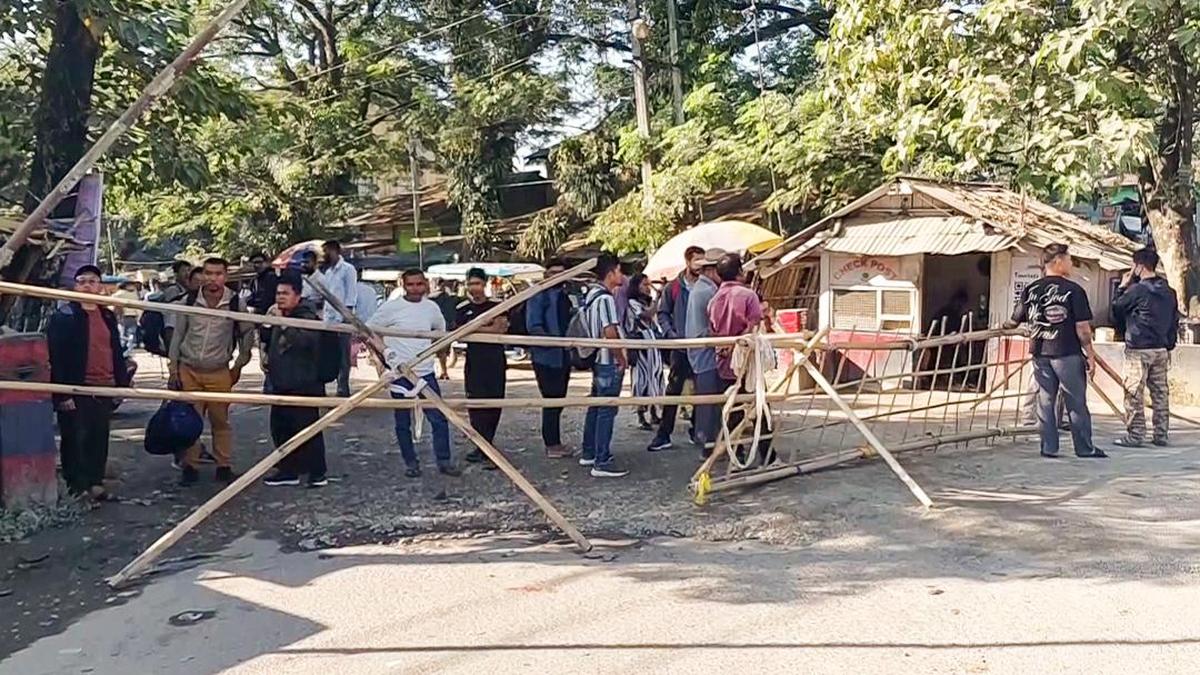
Violent protests erupted in Arunachal Pradesh's East Siang district against the 11,200-MW Siang Upper Multipurpose Project. Demonstrators torched an NHPC office, a police station, and vandalized the homes of prominent politicians.
Turmoil in Pasighat: The Siang Upper Multipurpose Project Protests
On October 23 and 24, 2026, the quiet landscape of East Siang district in Arunachal Pradesh was shattered by violent unrest. The catalyst for this upheaval is the proposed 11,200-MW Siang Upper Multipurpose Project (SUMP), a massive hydroelectric initiative that has become a flashpoint for local grievances. Following a 12-hour bandh, the situation escalated into a direct confrontation between protesters and state infrastructure, marking a significant intensification of regional opposition to large-scale development projects.
Destruction of Infrastructure and Political Targets
The scale of the destruction was extensive. Reports confirm that a mob, purportedly identifying as members of Gen Z, targeted the National Hydroelectric Power Corporation (NHPC) office, a local police station, and several government buildings. Beyond static infrastructure, the violence extended to mobile assets, with seven to eight police vehicles set ablaze. Furthermore, the private residences of high-profile political figures, including State BJP President Kaling Moyong and legislators Ninong Ering and Oni Panyang, were vandalized, signaling a deep-seated frustration with the current political leadership regarding the project's implementation.
Law Enforcement and the Escalation Cycle
The confrontation resulted in multiple injuries to police personnel, who were reportedly pelted with stones during the unrest in Pasighat. The timing of the violence—occurring late into the night after the official conclusion of the 12-hour bandh—suggests a breakdown in communication between the protesters and the administration. The use of tear gas shells by law enforcement to quell the mob has drawn sharp criticism from the Arunachal Pradesh Congress Committee, which has formally called for an independent inquiry into the police response.
The Broader Implications for Hydropower in the Northeast
This incident highlights the precarious balance between India's national energy security goals and the local environmental and social concerns of indigenous communities. Arunachal Pradesh, often referred to as the 'powerhouse of India,' has faced recurring opposition to large dam projects due to fears of environmental degradation, displacement, and the loss of traditional land rights. The SUMP, given its massive 11,200-MW capacity, represents a significant pillar of regional infrastructure planning that is now facing an existential challenge from local grassroots movements.
Political Fallout and Future Outlook
Chief Minister Pema Khandu has publicly condemned the violence, urging the protesting groups to engage in dialogue rather than resorting to destruction. The involvement of youth-led groups in these protests underscores a shifting demographic reality in the state, where younger generations are increasingly vocal about the long-term impact of industrial projects on their heritage and environment. As the state government attempts to restore order, the challenge will be to reconcile the state's developmental aspirations with the urgent demands for transparency and community consultation regarding the Siang Upper Multipurpose Project.
Verification Required?