Accreditation, income source, following: Government mulls parameters to distinguish bona fide journalists from influencers
Source Entity
Vikas Pathak
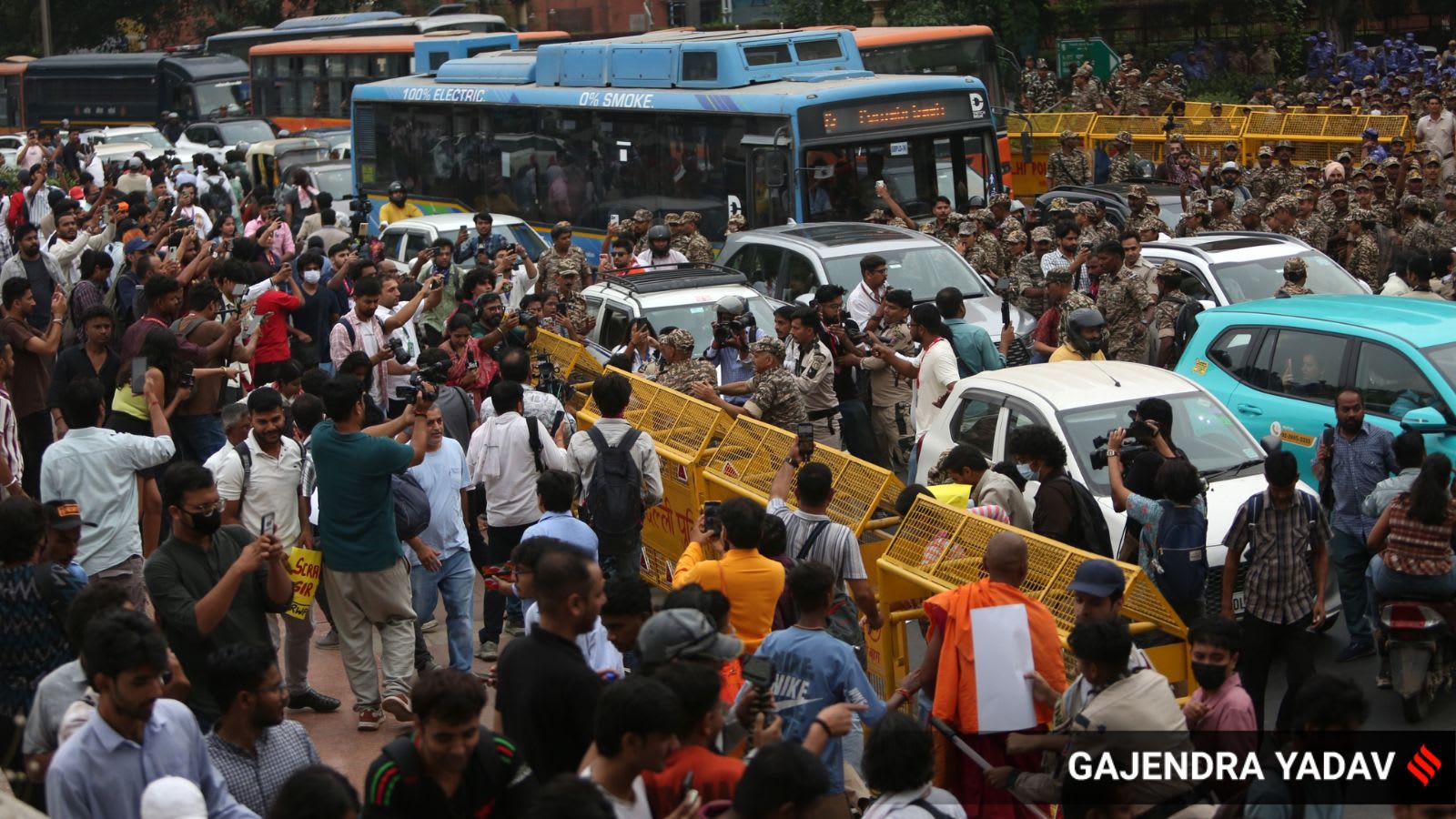
The Indian government is exploring new accreditation parameters to differentiate professional journalists from social media influencers. This move follows concerns over the impact of viral content during recent Gen Z-led protests.
Redefining Journalism: Government Seeks to Distinguish Professionalism from Influence
The Indian government is currently in the preliminary stages of formulating criteria to distinguish bona fide digital journalists from social media influencers. This regulatory pivot comes as a direct response to the proliferation of viral content and misinformation observed during the recent Gen Z protests, which have spanned the last three months in the capital and other regions. The surge in digital commentary has prompted authorities to consider how the state recognizes and validates those operating within the news media landscape.
The Catalyst: Social Media and Protest Dynamics
The primary driver for this policy consideration is the fallout from recent civil unrest, specifically the protests organized by the Cockroach Janta Party (CJP) regarding the NEET-UG paper leak. During these events, the lines between traditional reporting and content creation blurred significantly as influencers utilized their platforms to broadcast raw, unfiltered footage. The government's concern lies in the potential for these influencers to amplify narratives that may lack the rigorous fact-checking and ethical standards expected of professional journalists.
Proposed Parameters for Accreditation
To address this ambiguity, the government is contemplating a set of formal parameters to categorize practitioners. Key considerations include whether journalism serves as the individual's primary source of income, and whether the digital entity—such as a YouTube channel or online portal—is demonstrably engaged in the profession of journalism. Additionally, the government is discussing the implementation of minimum threshold requirements regarding a practitioner's follower count to qualify for official recognition.
The Challenge of Defining 'Journalism' in the Digital Age
This initiative highlights the broader global struggle to define journalism in an era where anyone with a smartphone can reach a global audience. While traditional accreditation provides a level of accountability, the influencer model relies on engagement metrics rather than journalistic inquiry. By attempting to codify these distinctions, the government is navigating a complex space where the freedom of expression often collides with the state's interest in maintaining order and ensuring the dissemination of verified information.
Future Implications for Media Freedom
If implemented, these parameters could significantly shift the landscape for independent digital creators in India. While proponents argue that such measures could curb the spread of misinformation during sensitive protest periods, critics may view this as an attempt to restrict the voices of independent digital journalists who operate outside of traditional media houses. The success of this policy will depend on whether the government can establish criteria that are objective, inclusive, and protective of the freedom of the press.
Conclusion
As the digital media environment continues to evolve, the distinction between a reporter and a content creator remains a subject of intense debate. The government’s move to establish clear parameters is a significant step toward formalizing the digital news sector. However, the path forward requires a delicate balance between ensuring institutional accountability and maintaining an open, vibrant space for digital news dissemination.