Resignation by Justice Yashwant Varma may end Lok Sabha proceedings
Source Entity
RAKESH KUMAR
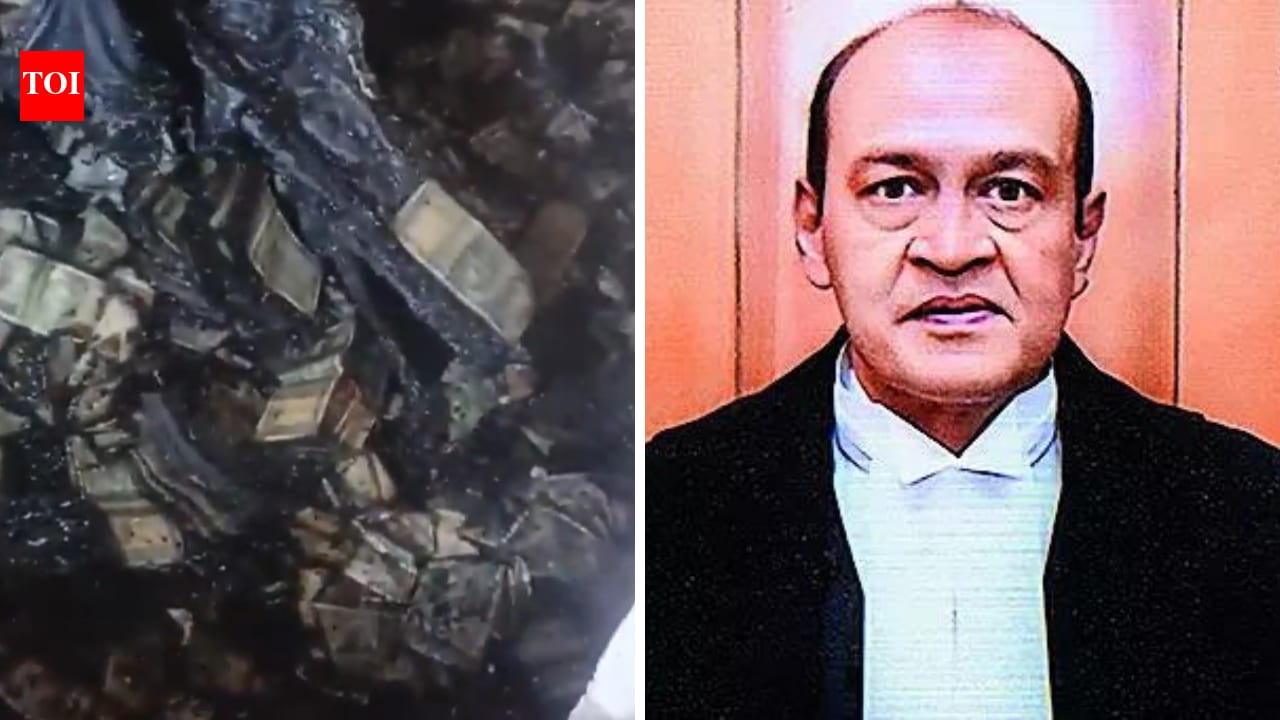
Parliamentary proceedings to remove Justice Yashwant Varma are likely ending following his resignation. Despite his name remaining on the court website, legal consensus suggests the resignation took immediate effect, rendering the impeachment process moot.
The Impeachment of Justice Yashwant Varma: A Constitutional Crossroads
The ongoing parliamentary proceedings concerning the removal of Justice Yashwant Varma have reached a critical juncture. The Lok Sabha, which had been actively deliberating the judge's future following an indictment by a three-member inquiry committee, is now poised to cease these efforts. The catalyst for this shift is the resignation submitted by Justice Varma, which has introduced a complex legal debate regarding the necessity of continuing the impeachment process against a judge who has already vacated his office.
The Legal Grey Area and Precedent
At the heart of the confusion was the technical status of Justice Varma, whose name continued to appear on the official High Court website long after his resignation was tendered. This discrepancy fueled public and legislative debate, as many questioned whether a resignation is effective upon the act of submission or only upon administrative confirmation. However, evolving legal opinions and established court verdicts suggest that a judge’s resignation takes effect immediately upon the act of resigning, effectively closing the window for removal proceedings to continue.
The Inquiry Committee's Findings
The proceedings were originally triggered by serious allegations involving the discovery of significant amounts of unaccounted money at Justice Varma’s residence. An inquiry committee, chaired by Supreme Court judge Aravind Kumar, was tasked with investigating these claims. The committee was permitted to conclude its probe, finding sufficient evidence to warrant the impeachment process, which highlights the gravity of the institutional response to judicial misconduct in India.
Constitutional Implications of Resignation
In the context of the Indian Constitution, the removal of a judge is a rare and rigorous process. By resigning before the parliamentary vote, Justice Varma has effectively bypassed the formal impeachment verdict. This creates a challenging precedent: while it spares the legislature from a prolonged constitutional process, it also raises questions about accountability. If a resignation is accepted as an immediate remedy, the parliamentary record may remain unfinished, leaving questions about the long-term impact on judicial oversight mechanisms.
Future Trends in Judicial Accountability
This incident underscores a growing demand for transparency and speed in disciplinary actions within the judiciary. The fact that an inquiry panel was able to conduct a thorough investigation into a sitting judge serves as a reminder that no constitutional post is immune to investigation. Moving forward, the legislature may look to refine the protocols surrounding the resignation of judges during active impeachment to ensure that such occurrences do not create ambiguity in the public record.
Conclusion
The likely termination of the Lok Sabha proceedings signals the end of a high-profile constitutional crisis. While the legal technicality of the resignation has effectively ended the debate in the House, the broader implications regarding judicial integrity and the efficiency of the impeachment process remain a subject of vital national interest. The reliance on legal precedent over administrative updates demonstrates the judiciary's commitment to prioritizing constitutional law over bureaucratic status.