We have weaponized the weekend. What was once a sanctuary of unplanned time and genuine disconnection has morphed into a strategic recovery phase designed to maximize Monday's output. This is not a localized trend or a quirk of the modern corporate grind; it is a systemic shift in how we perceive human existence. We no longer seek leisure for its own sake; we seek 'optimal recovery.' When the goal of a nap is to increase cognitive performance by 15%, the nap is no longer rest—it is an unpaid internship in biological maintenance.
Why did this happen? The answer lies in the internalization of market logic. We have stopped viewing ourselves as citizens or humans and started viewing ourselves as human capital. In this framework, every hour of the day must be audited for its ROI. If a hobby does not provide a 'skill set' or a 'mental health boost' that translates back into professional efficacy, it is viewed as wasteful. This transformation turns leisure into a performance metric, where the quality of our rest is judged by the efficiency of our subsequent productivity.
The Colonization of Stillness
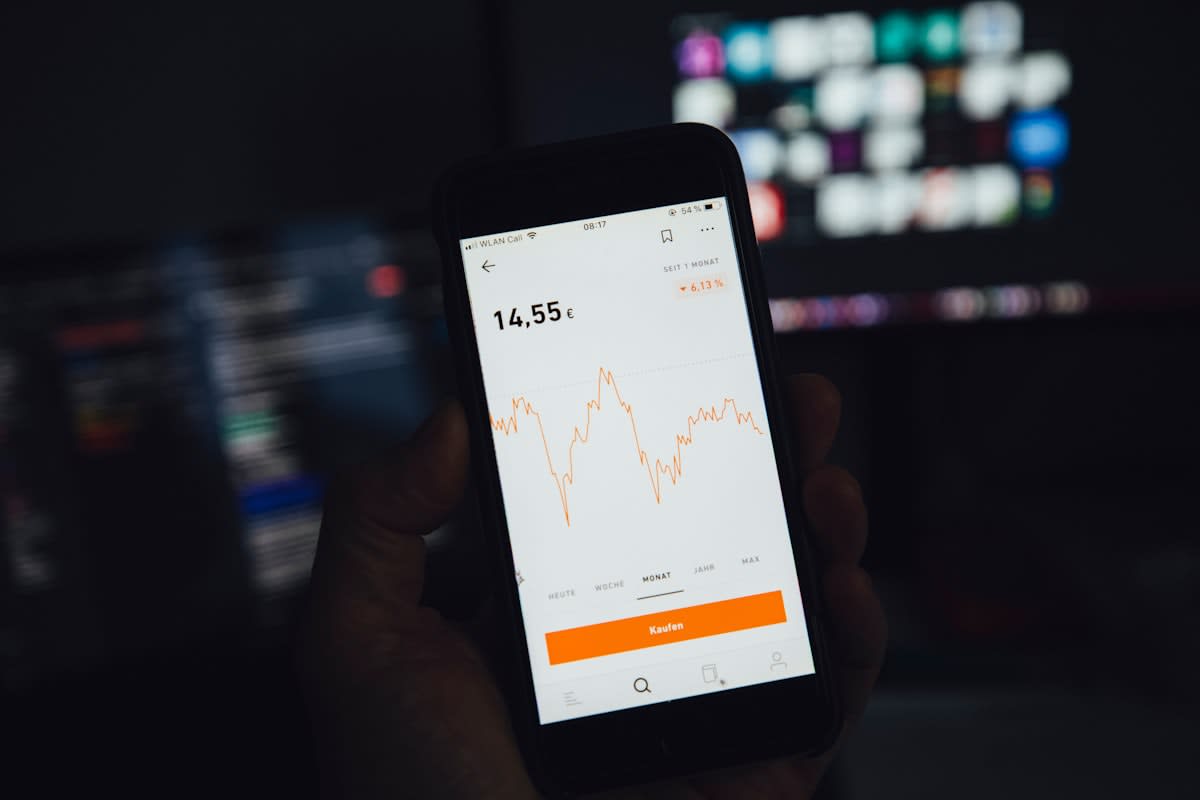
The rise of the 'quantified self' has accelerated this erosion. We now wear devices that tell us if we slept well, rather than trusting our own waking sensations. When a smartwatch assigns a 'Sleep Score' of 62, the user does not wake up and think, 'I feel refreshed'; they think, 'My recovery was suboptimal.' This data-driven approach to rest creates a secondary layer of anxiety: the stress of failing to relax. We are now optimizing our stillness with the same intensity we once reserved for our spreadsheets.
This phenomenon is globally pervasive but manifests differently across cultures. In East Asian hubs, the struggle often centers on the tension between extreme work cultures and the state-mandated push for 'wellness' initiatives that often feel like more work. In Western Europe, the 'right to disconnect' laws attempt to legislate a boundary that has already been erased by the smartphone. Regardless of the geography, the result is the same: the boundary between the 'productive self' and the 'private self' has collapsed (Source: OECD, 2023).
"Burnout is not merely the result of working too many hours; it is the result of a systemic failure to provide genuine psychological detachment from work. When recovery is viewed as a tool for productivity, the detachment is incomplete."— World Health Organization, International Classification of Diseases (ICD-11)
This is the central irony of the modern wellness industry. By selling us 'mindfulness' as a way to be more resilient in the face of an unsustainable workload, the industry is not challenging the workload—it is upgrading the worker. We are being taught to breathe deeply so that we can endure more stress, not so that we can live more freely. The 'wellness' we are sold is essentially a maintenance contract for human machinery.
As a strategic analyst who has spent over a decade consulting for global firms on organizational health, I see this tension play out in every boardroom. The internal debate among HR practitioners has shifted. It is no longer about whether to offer 'wellness perks'—everyone does that. The real friction is between those who see well-being as a human right and those who see it as a 'performance lever.' In the latter camp, the goal is 'sustainable high performance,' which is just a polite way of saying they want to extract the maximum possible value from an employee without triggering a total collapse.
The Metrics of Modern Rest
To understand the depth of this shift, we must compare how we used to perceive downtime versus how we perceive it now. The shift is not just in the activities we choose, but in the intent behind those choices. We have moved from 'leisure as freedom' to 'leisure as preparation.' This transition is reflected in the way we talk about our hobbies—often framing them as 'side hustles' or 'passion projects' that somehow add to our professional brand.
| Dimension | Traditional Leisure | Performance-Based Rest |
|---|---|---|
| Primary Goal | Enjoyment and escapism | Recovery and optimization |
| Success Metric | Subjective satisfaction | Biometric data/Productivity gain |
| Time Structure | Unstructured/Spontaneous | Scheduled/Blocked |
| Psychological State | Detachment from role | Maintenance of the 'asset' |
| View of Boredom | A natural state of being | A waste of potential |
When boredom is viewed as a waste of potential, we lose the capacity for deep, undirected thought. This is where the real danger lies. Genuine creativity rarely emerges from a 'scheduled brainstorming block' or a 'curated mindfulness session.' It emerges from the gaps—the empty, unproductive spaces where the mind is allowed to wander without a goal. By filling those gaps with 'optimized recovery,' we are inadvertently stifling the very innovation we claim to seek.
Moreover, the pressure to 'rest well' creates a new form of social competition. We no longer just compete on who works the hardest; we compete on who has the most 'balanced' life. The curated image of the 'balanced executive'—who meditates at 5 AM, hits the gym at 6 AM, and reads three books a month—is just another performance. It is the 'hustle culture' of health, where the goal is to be the most efficient version of a human being possible (Source: Stanford University, 2021).

Can we break this cycle? The opportunity lies in reclaiming 'uselessness.' The most resilient individuals I have encountered in my career are not those with the most optimized sleep schedules, but those who have protected pockets of their lives from any form of measurement. They engage in activities that have zero market value and no impact on their professional trajectory. They embrace the 'inefficiency' of a long walk without a podcast or a hobby they are intentionally bad at.
Resilience is not about how much stress you can absorb before you break; it is about the ability to exist entirely outside of the stress-response system. This requires a fundamental shift in perspective: seeing rest not as a means to an end, but as the end itself. When we stop asking 'How will this help me perform?' and start asking 'Do I enjoy this?', we begin to dismantle the leisure trap.
Ultimately, the goal is to decouple our value as humans from our utility as workers. The performance metric is a seductive tool because it gives us a sense of control over our biology and our time. But that control is an illusion. True freedom is found in the moments that cannot be tracked, measured, or optimized. It is found in the glorious, unproductive silence of a life lived for its own sake.
Fact-Check & Accuracy Note
Key claims regarding the systemic nature of burnout and psychological detachment are sourced from the World Health Organization's ICD-11 guidelines. Data regarding the global shift in work-life boundaries and the 'right to disconnect' references OECD labor reports (2023) and academic research on the quantified self from Stanford University (2021). The distinction between 'recovery' and 'leisure' is a central debate in current sociological studies on neoliberalism and the internalisation of market logic.