The Mirage of Constant Velocity
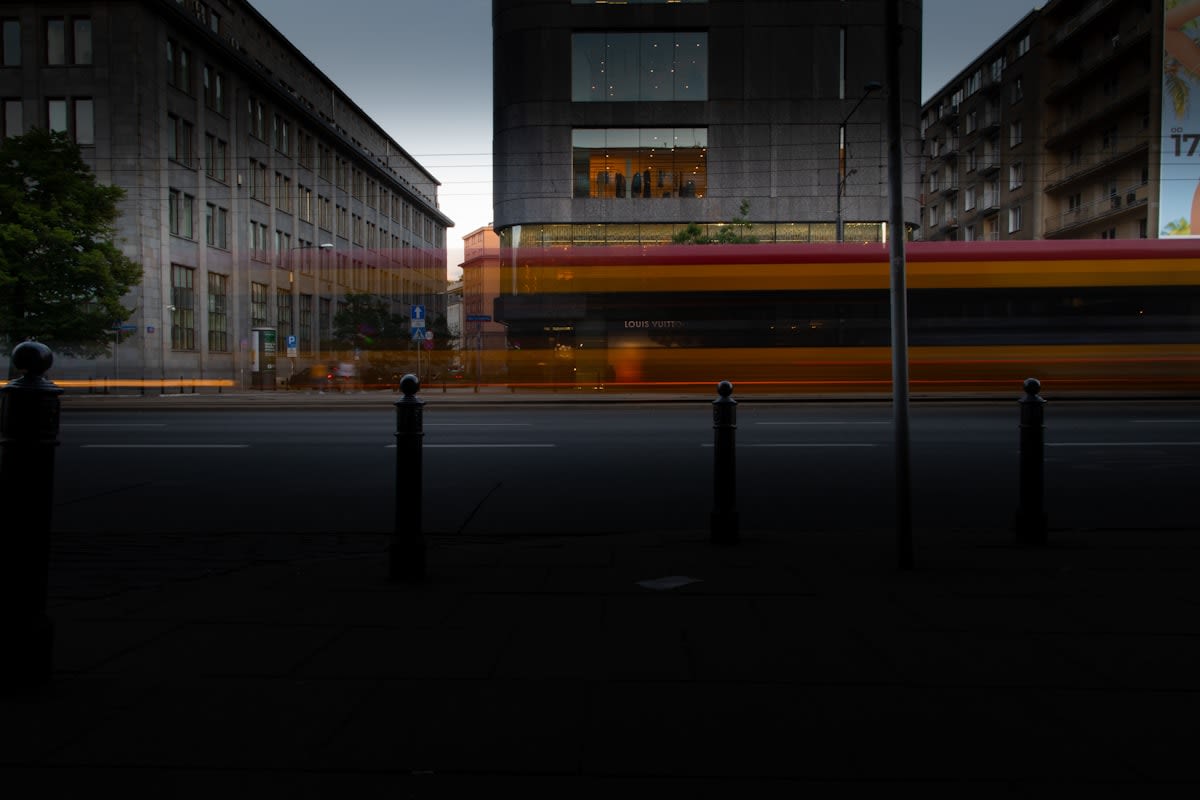
Speed is a drug. For over a hundred years, the global economic engine has operated on a singular, obsessive premise: faster is always better. We accelerated the loom, then the assembly line, then the processor, and finally the human psyche. But we have hit a wall. The current systemic friction is not a failure of technology, but a failure of rhythm. We are witnessing the 'Acceleration Trap,' a state where the time saved by efficiency is immediately consumed by a higher volume of tasks, leaving the individual in a permanent state of perceived deficit. Does adding a tenth lane to a highway actually reduce traffic, or does it simply invite more cars? The same logic applies to our digital workflows.
This is not a localized trend of 'mindfulness' or a boutique wellness movement. It is a structural pivot. We are seeing a global reclamation of the philosophies that emerged during the first Industrial Revolution—specifically the reaction against the dehumanizing pace of the 19th-century factory. The Arts and Crafts movement of the 1880s didn't just want prettier chairs; it wanted to restore the connection between the maker and the object. Today, that same impulse is manifesting in the resurgence of deep work, slow fashion, and the systemic dismantling of the 'always-on' corporate culture. The goal isn't to return to the stone age, but to integrate human biological rhythms back into a digital infrastructure that has ignored them for decades.
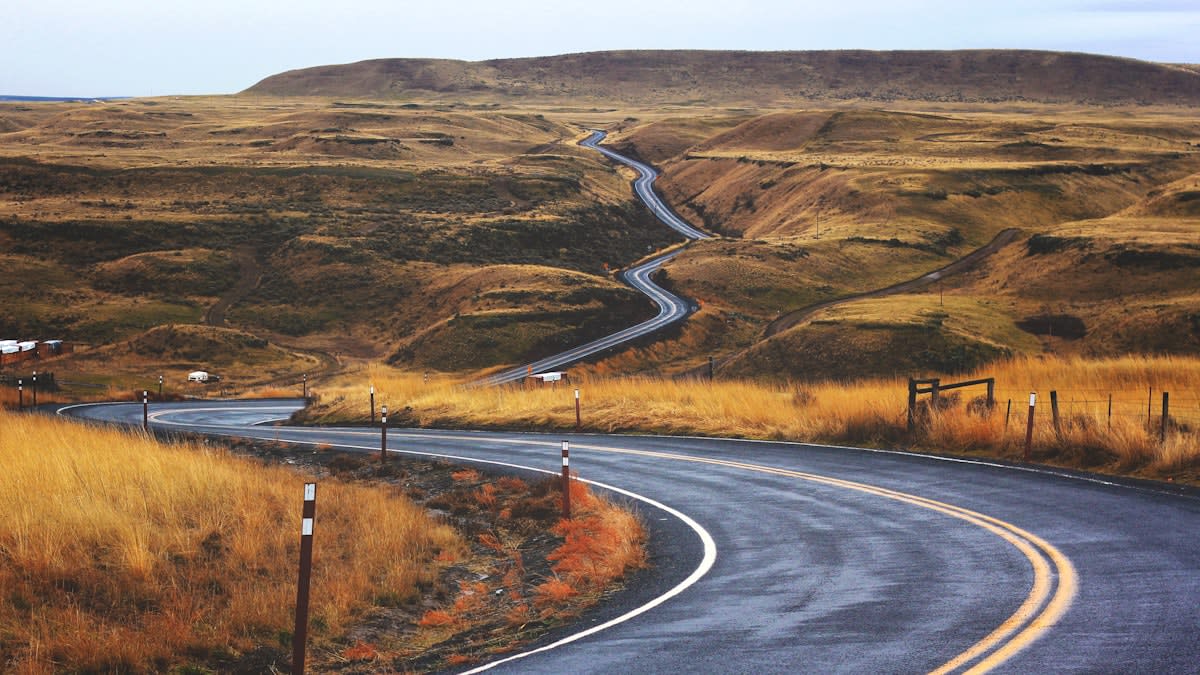
The shift is most evident in how we perceive urban space. For decades, city planning focused on the 'commute'—the fastest way to move a worker from a residential zone to a commercial hub. This was the era of the highway and the skyscraper. Now, the pendulum is swinging toward the '15-minute city,' a concept popularized by Professor Carlos Moreno. The objective is simple: ensure every essential human need is within a short walk or bike ride from home. By eliminating the forced acceleration of the commute, cities are rediscovering the social cohesion of the 19th-century village. This is a systemic rejection of the sprawl-and-speed model in favor of proximity and presence.
"Slow food is not about the speed of eating, but about the quality of the connection between the producer, the product, and the consumer. It is a political act of resistance against the homogenization of taste and the acceleration of consumption."— Carlo Petrini, Founder of Slow Food International
Look at Japan. For years, the narrative of the Japanese workforce was defined by 'Karoshi'—death from overwork. The societal obsession with velocity was absolute. Yet, we are seeing a quiet but firm pushback. The rise of the 'slow life' movement in rural prefectures and the integration of 'Ikigai' (reason for being) into corporate wellness programs suggest a realization that peak productivity is unsustainable without periods of intentional stillness. When the World Health Organization officially recognized burnout as an occupational phenomenon in its ICD-11 classification (Source: WHO, 2019), it provided the clinical validation for a shift that practitioners had been feeling for years: the human brain cannot operate at processor speeds.
As a strategic analyst who has spent fifteen years auditing operational efficiencies, I have seen this friction firsthand. Inside the C-suite, the debate has shifted. For a decade, the buzzword was 'Agile'—a methodology designed for rapid iteration. But in the last three years, the conversation has turned toward 'Sustainable Pace.' I have sat in boardrooms where executives admit that their 'Agile' transformations actually created a state of permanent urgency that killed long-term innovation. The real friction isn't between those who want to work and those who don't; it is between the desire for quarterly growth and the biological necessity of deep, slow thought. The practitioners who are winning now are those who protect 'deep work' blocks like they protect their capital.

The Metrics of Deceleration
To understand this shift, we must change how we measure success. The 'Acceleration Era' relied on throughput, latency, and volume. The 'Slow Philosophy' era relies on durability, intentionality, and cognitive residue. When we switch tasks every six minutes—the average for many digital workers—we incur a 'switching cost' that degrades the quality of the output. By slowing the cadence of communication (moving from synchronous Slack pings to asynchronous documentation), organizations are finding that the actual time to completion for complex projects decreases, even though the perceived pace of work feels slower.
| Metric | Acceleration Era (20th/Early 21st C) | Slow Philosophy (Emerging Shift) |
|---|---|---|
| Primary Goal | Maximum Throughput | Optimal Sustainability |
| Communication | Synchronous/Instant | Asynchronous/Intentional |
| Urban Design | Zoning & Commuting | Proximity & Walkability |
| Value Driver | Speed of Delivery | Depth of Craft |
| Success Marker | Quantity of Output | Resilience of System |
This transition is not without its casualties. The 'efficiency' industrial complex—consultancies and software tools designed to squeeze every second out of the day—is struggling to adapt. They are selling tools to help us 'manage' our burnout rather than addressing the cause. The contrarian view is that the tool is the problem. When we use a project management app to track every single minute of a creative's day, we aren't managing a process; we are suffocating the very cognitive space required for the work to exist. The most successful modern firms are those implementing 'No-Meeting Wednesdays' or four-day work weeks, recognizing that output is a function of energy, not hours.
The economic implications are profound. We are seeing a rise in 'Slow Capital'—investments that prioritize long-term stability and ethical production over rapid exit strategies. This mirrors the 19th-century movement toward cooperatives and guilds. By reducing the pressure for immediate returns, these systems create more resilient businesses that can weather market volatility. In Nordic countries, the integration of high trust and slower work cadences has consistently correlated with higher rankings in both global happiness and productivity indices (Source: World Happiness Report, 2023).
- Cognitive Decoupling: The intentional separation of work and availability.
- Hyper-Locality: Prioritizing regional supply chains to reduce systemic fragility.
- Analog Integration: Using physical tools to bypass the distractions of the digital layer.
- Rhythmic Scheduling: Aligning work cycles with biological peaks rather than arbitrary 9-to-5 blocks.
Is this a luxury of the developed world? Some argue that 'slowness' is a privilege. However, the acceleration trap affects everyone. In the Global South, the push for rapid industrialization often mirrors the mistakes of the 19th-century West, leading to environmental collapse and social fragmentation. The reclamation of slow philosophy is often more urgent in these regions, where traditional, sustainable agricultural and social rhythms are being erased by the pressure of global supply chains. The return to 'slow' is not a regression; it is a sophisticated strategy for survival in an over-stimulated world.
Ultimately, the world is realizing that the 19th-century's mistake was not the invention of the machine, but the belief that the human should act like one. The current pivot toward slowness is an act of systemic calibration. We are learning to use the speed of the machine to buy back the slowness of the human. The companies, cities, and individuals who master this balance will not be the ones who moved the fastest, but the ones who knew when to stop.
Fact-Check & Accuracy Note
Key claims regarding the '15-minute city' are based on the urban planning frameworks of Professor Carlos Moreno. Burnout classifications are sourced from the World Health Organization's ICD-11 (2019). Data regarding Nordic productivity and happiness is derived from the World Happiness Report (2023). The 'Slow Food' philosophy is attributed to the foundational principles of Slow Food International. Ongoing debate remains regarding the scalability of 'slow' models in hyper-competitive emerging markets.