IIT Bombay invites applications for 30 ad hoc counsellor posts following student suicide crisis
Source Entity
Pallavi Smart
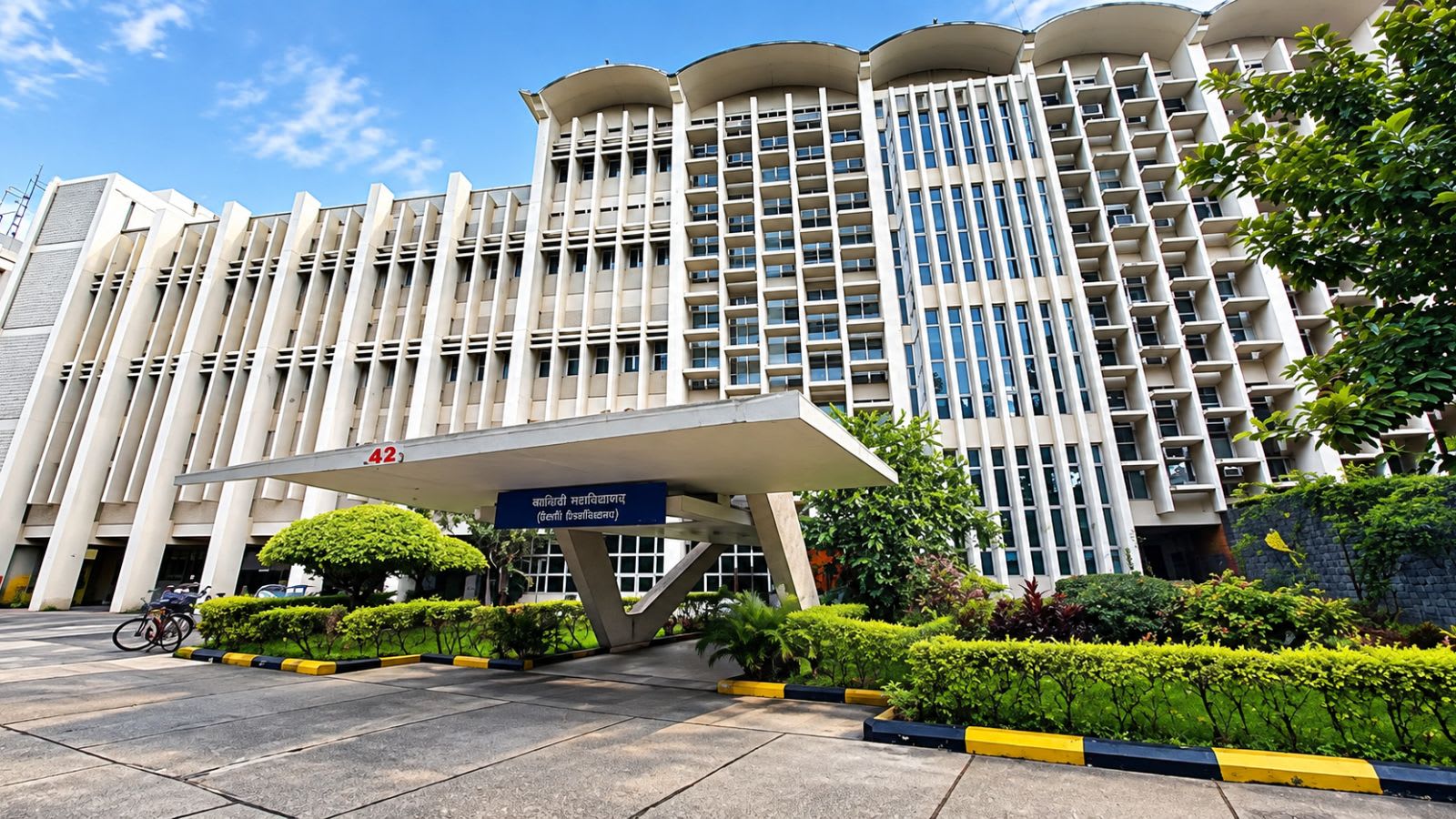
IIT Bombay is recruiting 30 new counsellors to bolster mental health support following the tragic suicide of student Sahil Wakode. The move addresses intense campus protests and systemic concerns regarding student well-being during high-pressure examination periods.
Addressing a Mental Health Crisis at IIT Bombay
The Indian Institute of Technology (IIT) Bombay has taken a significant step toward bolstering its mental health infrastructure by initiating the recruitment of 30 ad hoc counsellors. This surge in support staff—comprising 26 student counsellors and four senior counsellors—comes at a critical juncture for the institution. By aiming for a recruitment timeline that allows candidates to join by October 15, the administration is signaling an urgent commitment to addressing the systemic gaps in student wellness that have recently come under intense scrutiny.
The Catalyst: The Death of Sahil Wakode
This administrative pivot is directly linked to the tragic death of Sahil Wakode, a second-year BTech student. On September 18, Wakode allegedly died by suicide only hours after being caught using his phone during a mid-semester examination. This harrowing event served as a flashpoint for the campus, highlighting the extreme pressures faced by students within the rigorous academic environment of India's premier technical institutes. The incident moved beyond a singular tragedy, evolving into a catalyst for widespread student unrest and institutional reflection.
Impact of Student Protests
In the wake of Wakode’s death, the IIT Bombay campus witnessed large-scale protests as students demanded a more compassionate and robust approach to mental health and disciplinary procedures. The student body’s collective voice forced the administration to evaluate how academic pressures and punitive measures for exam-related misconduct intersect with personal mental well-being. The decision to hire 30 new staff members is a direct response to these pressures, reflecting an attempt to bridge the divide between academic rigor and student support.
Evolving Institutional Policy
Beyond the recruitment drive, the institute has also sought to recalibrate its examination environment. With exams resuming on October 10-11, the administration has implemented a dual approach: maintaining tighter control within examination halls while simultaneously introducing softer penalties for instances of academic dishonesty. This shift suggests an institutional acknowledgement that the traditional, high-stakes model of examination may require more nuanced oversight to prevent undue distress among the student population.
Broader Implications for Technical Education
This initiative at IIT Bombay is emblematic of a larger, necessary conversation across India’s technical education sector regarding the 'pressure-cooker' environment prevalent in top-tier engineering colleges. The expansion of the Student Wellness Centre (SWC) serves as a blueprint for other institutions to follow, emphasizing that mental health support cannot be an auxiliary service but must be central to the academic experience. The success of these 30 new counsellors will depend on their integration into the daily life of the campus and their ability to provide proactive, rather than reactive, support.
Future Trends and Outlook
The coming months will be a litmus test for IIT Bombay. By scaling up its counselling capacity, the institute is attempting to mitigate the risk of future crises and foster a healthier culture. However, the long-term efficacy of this move will depend on whether these ad hoc roles evolve into permanent positions and how deeply the institute embeds mental health advocacy into its core administrative policy. The focus must remain on creating an environment where students feel supported during moments of academic failure rather than alienated by the fear of its consequences.