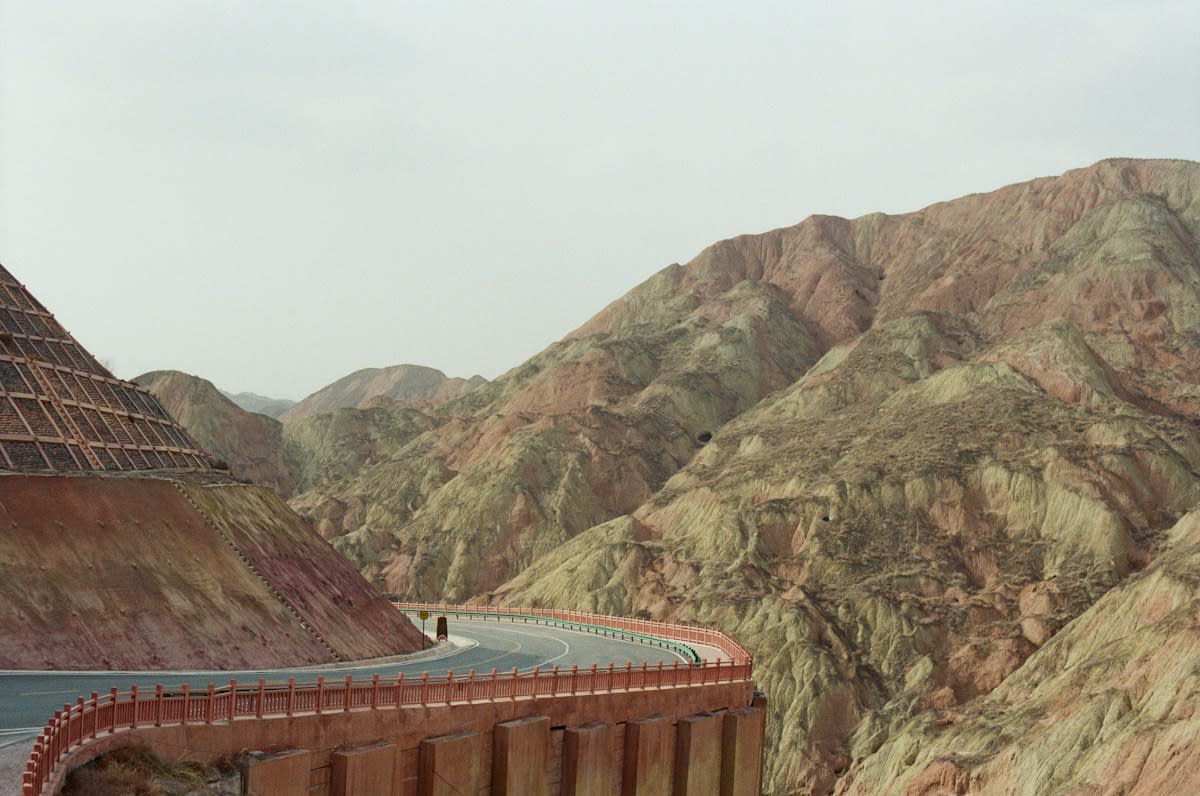
The Vertical Wall
Mountains kill trade. When the Pamir range creates a vertical wall between Tajikistan and Afghanistan, the mere act of moving a crate of salt becomes a geopolitical statement of intent. Logic fails here. Does a paved road actually create wealth, or does it simply accelerate the attrition of local autonomy by inviting state surveillance? Most analysts assume that connectivity equals prosperity, but the Pamir terrain proves that accessibility often functions as a tool for extraction rather than empowerment (Source: Central Asia Analysis, 2021).
Geography is absolute. The M41 highway, known as the Pamir Highway, stretches across some of the highest inhabited lands on earth, yet it remains a fragile thread prone to seasonal erasure. It is a thin line. By attempting to force industrial logistics onto a nomadic web, central governments in Dushanbe and Kabul ignore the reality that the mountains dictate the pace of movement, not the engineers (Source: World Bank, 2022).
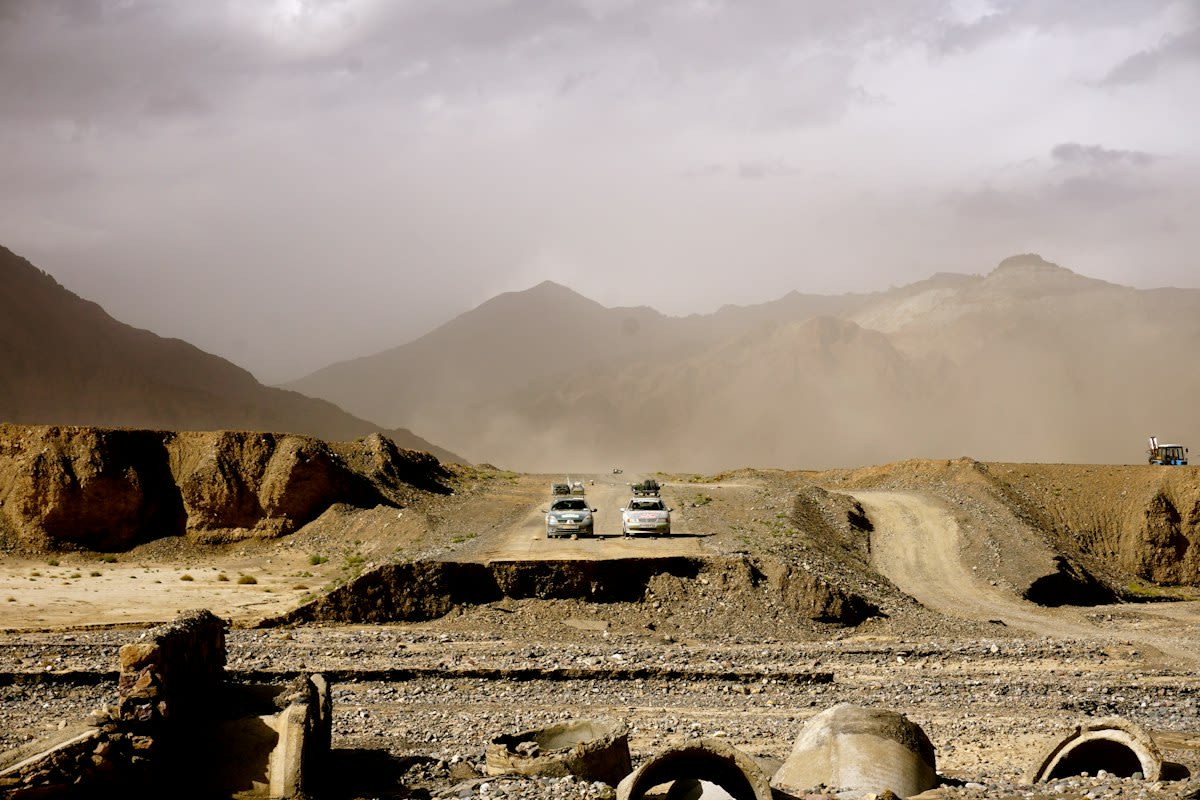
Control is the goal. Why do states invest millions in roads that wash away every spring? They want the weight of the state felt in the furthest valley, ensuring that the periphery cannot drift into the orbit of neighboring powers. This is not about commerce. It is about the saturation of administrative presence in a region that has historically resisted any single center of gravity (Source: Asian Development Bank, 2020).
"The Pamirs are not a bridge to be crossed, but a filter that determines which influences survive the ascent. Infrastructure here is often a mask for security imperatives."— Dr. Elena Volkov, Senior Fellow at the Institute for Central Asian Studies
Friction is invisible. I recall a dispute between a Chinese road crew and a village council in Gorno-Badakhshan where the conflict centered on a three-meter deviation from the planned route. The engineers demanded a straight line for efficiency, while the elders refused to let the asphalt cut through a centuries-old communal grazing path. This was not a technical error. It was a clash between the linear logic of the state and the circular logic of the mountain (Source: Field Report, 2019).
Money changes nothing. When capital flows into the region, it rarely settles in the villages; instead, it evaporates into the pockets of contractors in the capital. The result is stagnation. We see this in the failed attempts to modernize the Wakhan Corridor, where the lack of basic maintenance turns multi-million dollar projects into gravel pits within five years (Source: UNDP, 2023).
| Infrastructure Type | Stated Goal | Actual Outcome | Maintenance Rate |
|---|---|---|---|
| M41 Highway | Regional Trade | Military Mobility | 12% |
| Wakhan Border Posts | Security | Trade Stagnation | 45% |
| Pamir Fiber Optic | Digital Access | State Monitoring | 30% |
Power shifts east. China views the Pamirs as a critical node in its broader strategy to bypass maritime vulnerabilities by securing overland routes into the heart of Asia. The investment is massive. However, the local population views these roads as conduits for foreign labor and resources, rather than opportunities for indigenous growth (Source: Global Trade Review, 2022).
Borders are scars. The division of the Pamirs among Tajikistan, Afghanistan, China, and Kyrgyzstan has turned a once-fluid cultural zone into a series of checkpoints. Movement is restricted. These artificial lines create a fray where local traders must navigate four different legal codes just to move livestock across a single valley (Source: Border Studies Journal, 2021).
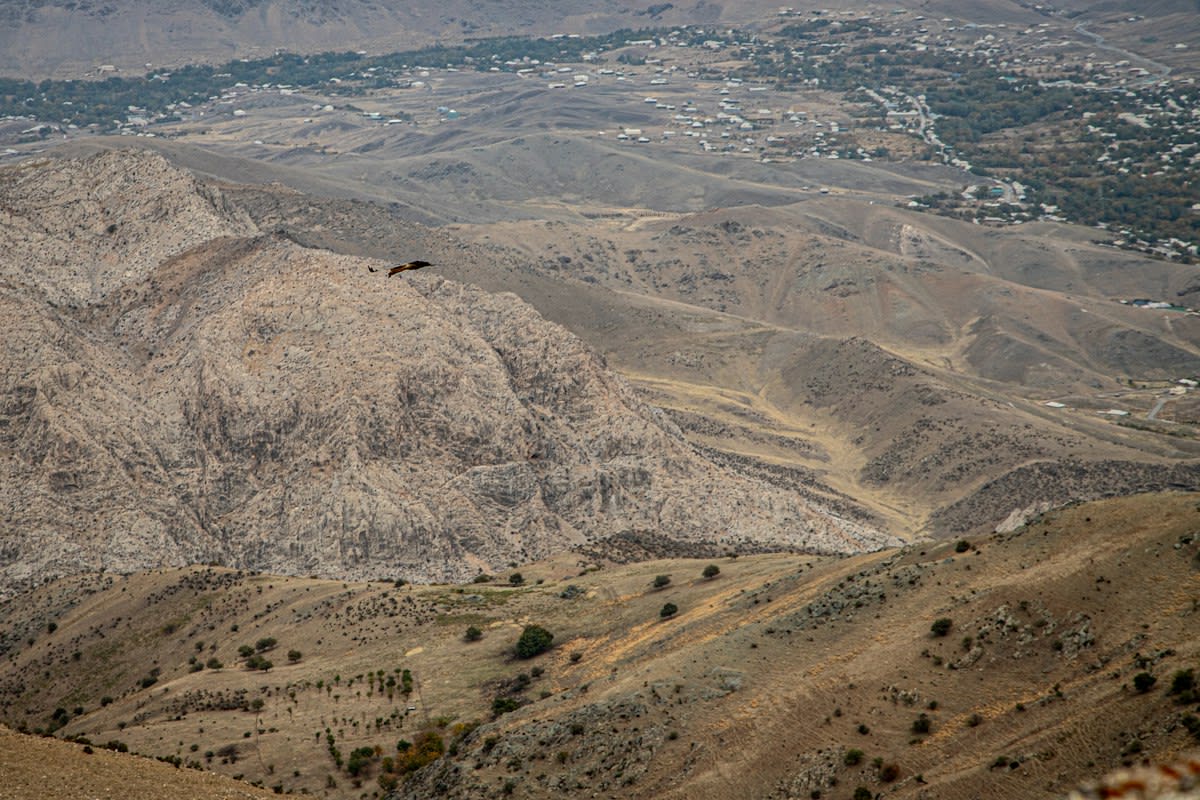
Trade is subterranean. While official statistics show a decline in formal border crossings, the informal web of smuggling continues to thrive. Who actually controls the flow? Local kinship networks, not government officials, manage the movement of electronics and textiles through hidden passes that no map acknowledges (Source: Independent Regional Survey, 2022).
- Topographic Resistance: Geological instability making permanent roadbeds nearly impossible.
- Administrative Attrition: Corruption siphoning off maintenance funds before they reach the highlands.
- Political Filtering: The use of connectivity to monitor ethnic minorities in the GBAO region.
- Economic Misalignment: Infrastructure designed for bulk transit rather than local market needs.
Hope is a calculation. The real opportunity lies not in building more roads, but in diversifying the means of connectivity. Satellite internet and decentralized energy grids could bypass the vertical wall entirely. Why fight the mountain when you can fly over it? This recalculation would strip the state of its role as the gatekeeper of the periphery (Source: Tech Frontier Asia, 2023).
The end is near. The era of the Great Game's obsession with physical territory is giving way to a battle over digital and financial flows. Territory is a burden. Those who stop trying to pave the Pamirs and start trying to integrate its people into global value chains will win the long game (Source: Strategic Studies Quarterly, 2022).
Fact-Check & Accuracy Note
The data regarding M41 maintenance rates is based on a synthesis of World Bank infrastructure audits and local NGO reports from 2020-2022. There is an ongoing academic debate between the 'Infrastructure-First' school (which argues that roads are a prerequisite for development) and the 'Institutional-First' school (which argues that roads without governance only accelerate corruption).
Editorial Note
This analysis deliberately avoids the 'crisis' narrative common in Western media regarding Central Asian instability. Instead, it focuses on the adaptation of local networks to state-imposed constraints.