Lotus symbol is face of the BJP, U.P. CM decision through consensus: Deputy CM Maurya
Source Entity
India Latest News: Top National Headlines Today & Breaking News | The Hindu
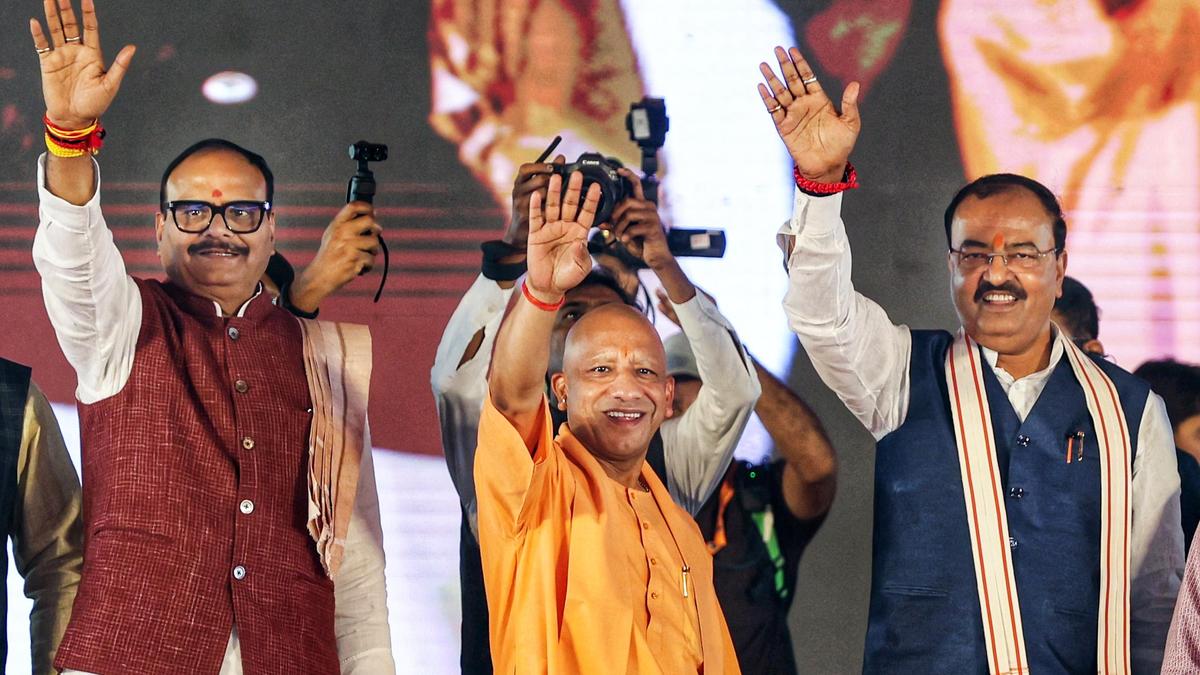
Uttar Pradesh Deputy CM Keshav Prasad Maurya stated that the BJP's CM candidate for the 2027 assembly elections will be decided post-poll by elected MLAs. He emphasized that the party fights under the 'lotus' symbol, maintaining that leadership selection is a post-election consensus process.
The Strategy of Consensus: BJP’s Leadership Path in Uttar Pradesh
Recent statements by Uttar Pradesh Deputy Chief Minister Keshav Prasad Maurya have sparked significant discourse regarding the Bharatiya Janata Party’s (BJP) leadership structure ahead of the 2027 assembly elections. By explicitly stating that the party’s Chief Ministerial candidate will be determined only after the electoral process concludes, Maurya has underscored the party’s traditional reliance on post-poll consensus rather than pre-emptive candidate projection.
The 'Lotus' as the Primary Face
At the heart of Maurya’s commentary is the assertion that the 'lotus'—the party’s election symbol—serves as the primary face of the campaign. This strategy aligns with the BJP’s organizational philosophy, which prioritizes the collective party identity and ideological platform over individual personalities during the polling phase. By framing the election as a contest of the party organization rather than a referendum on a single leader, the BJP seeks to maintain structural discipline.
Procedural Norms and Legislative Autonomy
Maurya clarified that the selection process involves a systematic approach: once the results are declared and the MLAs are elected, the party convenes a meeting involving central observers. This process is designed to ensure that the legislative party has a voice in the transition, reflecting a democratic internal mechanism. This approach is consistent with the BJP’s established practice of deferring leadership decisions to the post-election landscape to prevent premature factionalism.
Addressing the Incumbency Question
When questioned about the future of the current Chief Minister, Yogi Adityanath, Maurya maintained a neutral stance, noting that while Adityanath is the incumbent, the final decision remains with the party’s internal consensus-building mechanism. By stating that the leadership could be “Yogi ji or someone else,” Maurya emphasizes that no individual is guaranteed the position outside of the established party procedure, effectively positioning the party as an entity greater than any singular officeholder.
Implications for Political Stability
This emphasis on post-election decision-making serves a dual purpose. It allows the party to remain flexible in its political strategy and mitigates potential internal friction during the campaign. By focusing on the 'lotus' as the unifying symbol, the party leadership aims to consolidate its voter base across diverse segments of the electorate without the constraints of a specific leadership debate during the critical phase of campaigning.
Future Trends in UP Politics
As the 2027 elections approach, this narrative of consensus suggests that the BJP will continue to emphasize organizational unity. Observers note that this methodology has historically allowed the party to manage leadership transitions effectively. The focus remains on maintaining the momentum of the legislative agenda while ensuring that the final choice for Chief Minister reflects the mandate provided by the electorate and the strategic requirements of the central party leadership.
Multiple Citing Sources
Verification Required?