PM Modi reviews infra projects worth over Rs 78k crore, stresses timely execution
Source Entity
YASHASVI VASISTHA
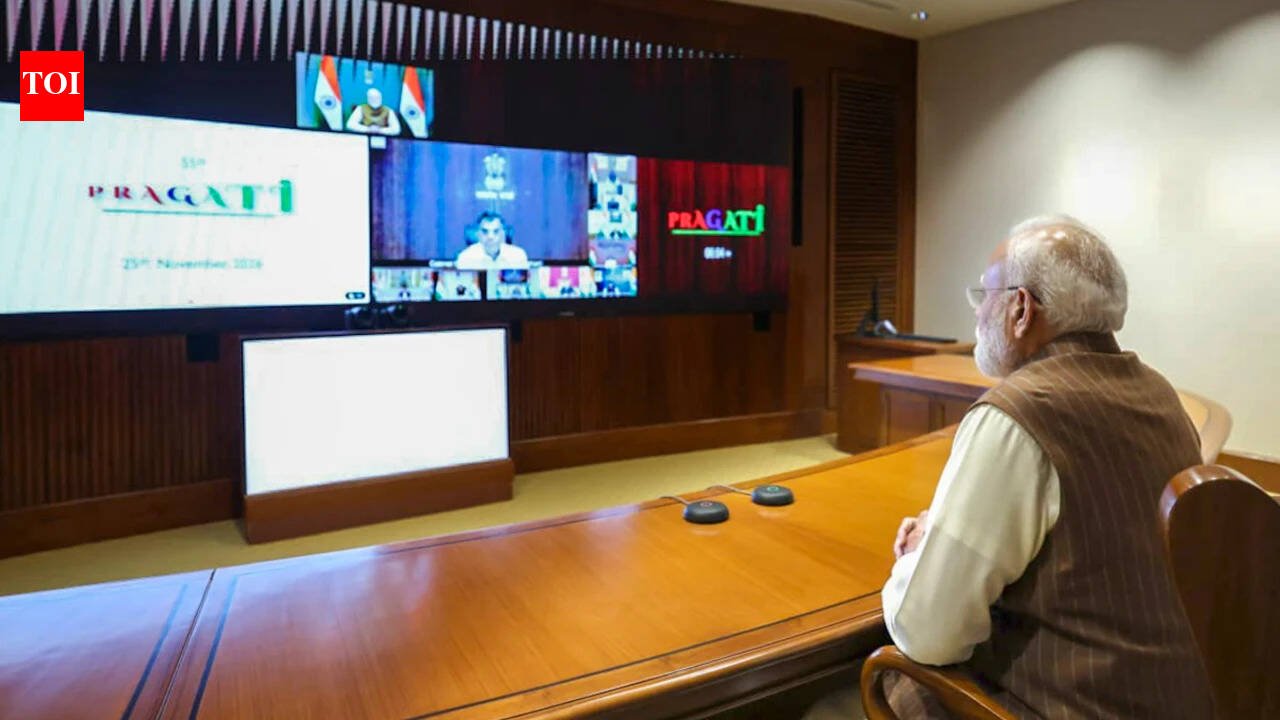
Prime Minister Narendra Modi reviewed infrastructure projects worth over Rs 78,000 crore during the 55th PRAGATI meeting. He prioritized aligning ITI training with industry needs through the PM-SETU initiative to boost youth employment.
PM Modi Reviews Strategic Infrastructure and Skilling Initiatives
Prime Minister Narendra Modi recently chaired the 55th edition of the PRAGATI (Pro-Active Governance and Timely Implementation) meeting at Seva Teerth, New Delhi. The session served as a high-level review of critical infrastructure projects totaling over Rs 78,000 crore. These projects span essential sectors, including road connectivity, railway expansion, power generation, and coal distribution, highlighting the administration's focus on maintaining the momentum of India’s physical capital development.
Addressing Implementation Bottlenecks
A core objective of the PRAGATI platform remains the mitigation of bureaucratic and logistical delays that often plague large-scale public works. By directly engaging with officials to resolve implementation issues, the Prime Minister aims to ensure that the massive capital infusion translates into tangible economic growth. The focus on road and railway connectivity is particularly significant, as these sectors act as force multipliers for industrial efficiency and regional economic integration across the country.
Revolutionizing the ITI Ecosystem via PM-SETU
Beyond physical infrastructure, the meeting placed a heavy emphasis on human capital development through the PM-SETU initiative. The Prime Minister underscored the need to modernize the Industrial Training Institute (ITI) ecosystem. By fostering direct partnerships between industries and training institutions, the initiative seeks to bridge the persistent gap between academic curriculum and the evolving demands of the modern job market, ensuring that vocational training remains relevant in an industrializing economy.
The 'Classroom–Company–Career' Framework
The Prime Minister advocated for a 'Classroom–Company–Career' approach, urging Public Sector Undertakings (PSUs) to take a proactive role in shaping the workforce. Under this strategy, PSUs are encouraged to evaluate their long-term manpower requirements and collaborate with ITIs to recruit trained candidates directly. This model is designed to provide youth with stable employment opportunities closer to their homes, thereby reducing the necessity for large-scale internal migration and fostering localized economic development.
Decentralization of Energy Infrastructure
The review also touched upon the power sector, with a strategic shift toward decentralized energy production. PM Modi emphasized the importance of locating solar and wind power projects closer to primary consumption centers. This approach not only optimizes energy distribution efficiency but also reduces transmission losses, aligning with the broader national goal of achieving energy security through sustainable and localized infrastructure solutions.
Strategic Outlook and Future Leadership
Concluding the session, the Prime Minister called upon Chief Ministers and Chief Secretaries to provide robust leadership in the implementation of these initiatives. By integrating industry participation at the state and local levels, the government aims to create a more responsive skilling ecosystem. This holistic strategy—balancing massive infrastructure spending with targeted vocational reform—reflects a comprehensive effort to sustain India’s economic growth while simultaneously addressing the critical need for regional employment and energy efficiency.