
Power is the wall. While the public obsesses over parameter counts and token limits, the real winners are those securing gigawatts of power in jurisdictions with dying grids. The socket wins everything. Intelligence is expensive. When an inference hub in Johor requires more electricity than the surrounding towns, the software becomes secondary to the transformer. Hardware defines the limit.
Training is a sprint. While the world focused on the massive energy spikes of training GPT-4, the real cost now shifts to the trillion daily inferences. The baseline is rising. We are moving from a world of rare, massive compute events to a state of permanent, high-intensity power draw. Energy becomes the product. Those who control the electricity will ultimately decide which models survive the move to production in a world of limited wattage. Power is the filter.
The Geography of Intelligence
Geography is the key. In Luleå or Johor, data centers emerge because the local power grids can handle the massive load. Location equals capability. Because Malaysia offers energy stability, it becomes a more valuable asset than a Silicon Valley office. The map is changing. We are seeing a hard turn toward regions that can provide constant, cheap energy without crashing the local grid. Energy defines the hub.
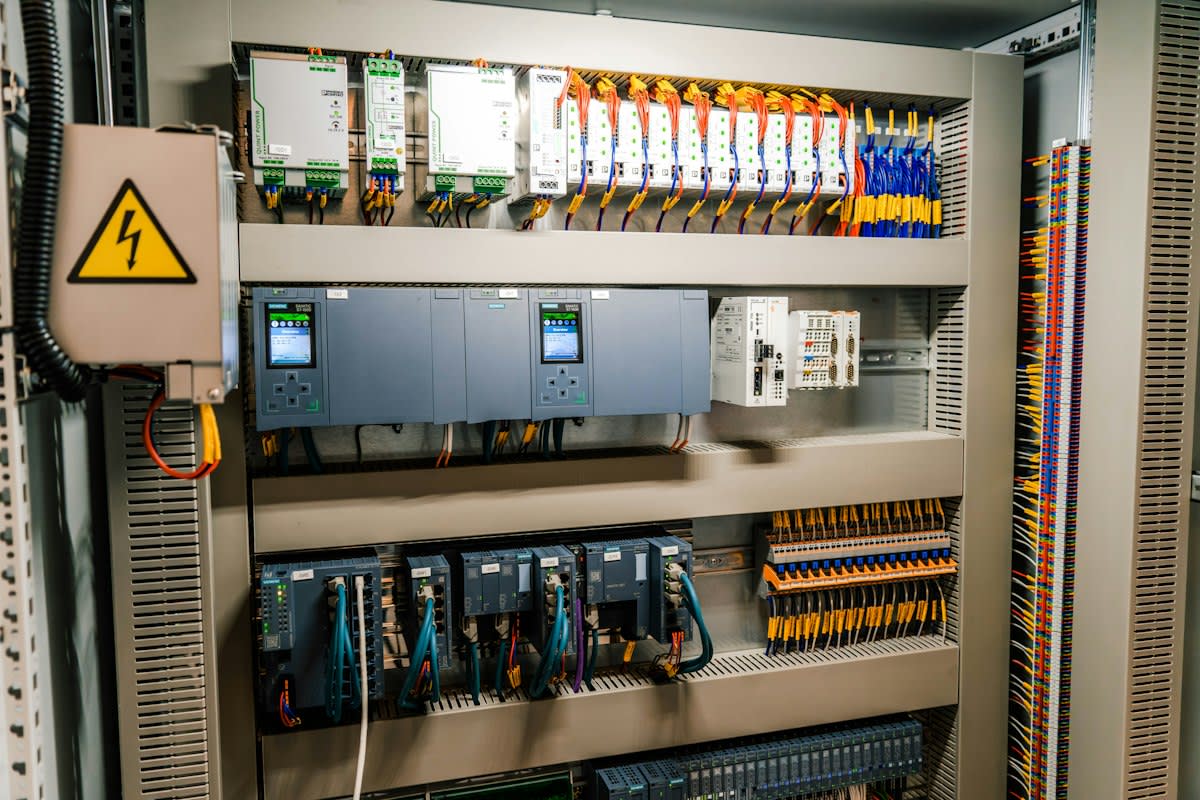
Who owns the wire? If the energy supply is brittle, the most advanced model in the world remains a dormant set of weights on a disk. The grid is the bottleneck. When the International Energy Agency reports that data center electricity consumption could double by 2026, the software layer starts to look fragile (Source: IEA, 2024). We must ask who wins. The entities that control the transmission lines now hold more leverage than the researchers writing the code. Energy is the new currency.
| Metric | Training Hubs | Inference Hubs |
|---|---|---|
| Power Profile | Burst/High Peak | Constant/High Baseline |
| Critical Factor | GPU Density | Latency/Energy Cost |
| Location Driver | Cheap Power | Proximity to User |
| Scaling Logic | Model Size | Request Volume |
The conflict is hidden. Inside the data center, ML engineers demand maximum GPU utilization to hit latency targets while facility managers pray the local substation does not explode. It is a constant war. These two groups speak different languages because one optimizes for tokens per second and the other optimizes for thermal headroom. The transformer is the boss. No amount of code can fix a physical limit when the aging copper wires in the local grid simply cannot carry the required current. Reality wins the argument.
"The next wave of AI will be the AI factory, where data and energy are the raw materials."— Jensen Huang, CEO at NVIDIA
Compute is a commodity. While NVIDIA provides the chips, the real moat is the ability to power ten thousand H100s without causing a city-wide brownout. The chip is just a tool. When a single GPU consumes roughly 700W under full load, the math of scaling becomes a problem of electrical engineering (Source: NVIDIA, 2023). We see the limit. The companies that can secure dedicated nuclear or geothermal power sources will dominate the next decade of intelligence. Power is the moat.
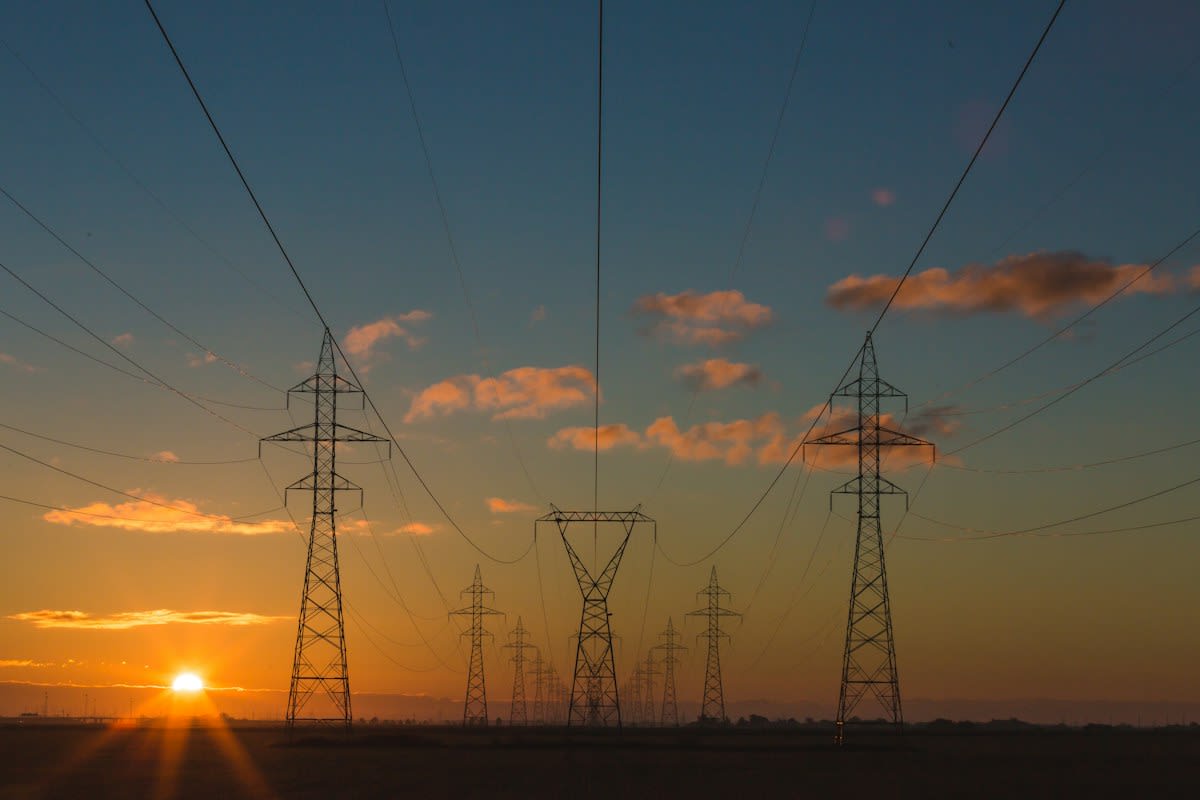
Markets are shifting. Because inference spend is projected to outpace training spend by 2025, the focus moves to the cost per token (Source: Gartner, 2024). The margin is thin. To stay profitable, hubs must minimize the distance between the power source and the chip to avoid transmission loss. This creates a new terrain. We are seeing the rise of sovereign AI hubs in the UAE and Saudi Arabia where energy is abundant and cheap. Energy dictates the winner.
Software cannot save us. While quantization and pruning reduce the weight of models, the sheer volume of requests will eventually saturate any existing grid. The demand is infinite. When millions of users query a model simultaneously, the power draw creates a spike that can destabilize local frequency. This is the danger. We are building a digital brain on a physical nervous system that was designed for lightbulbs and refrigerators. The mismatch is absolute.
Fact-Check & Accuracy Note
The IEA 2024 projections assume a steady growth in AI adoption but do not account for the potential of 'small language models' (SLMs) which could drastically lower the energy floor. There is a significant academic debate regarding whether Power Usage Effectiveness (PUE) is a valid metric for AI hubs, as it ignores the energy cost of the AI training process itself.
Opportunity lies here. Those who can integrate energy production directly with inference hubs will bypass the grid entirely. This is the goal. By placing a small modular reactor next to a GPU cluster, a company eliminates the transmission risk and the cost. The game is changing. We are moving toward a vertical integration of energy and intelligence. The power plant is the new campus.
Editorial Note
This analysis takes a contrarian view by arguing that energy, not data or algorithms, is the primary constraint. Some industry insiders argue that algorithmic efficiency will scale faster than energy demand, potentially rendering the 'power wall' a temporary hurdle rather than a permanent barrier.