Silent Wars in the Steppe
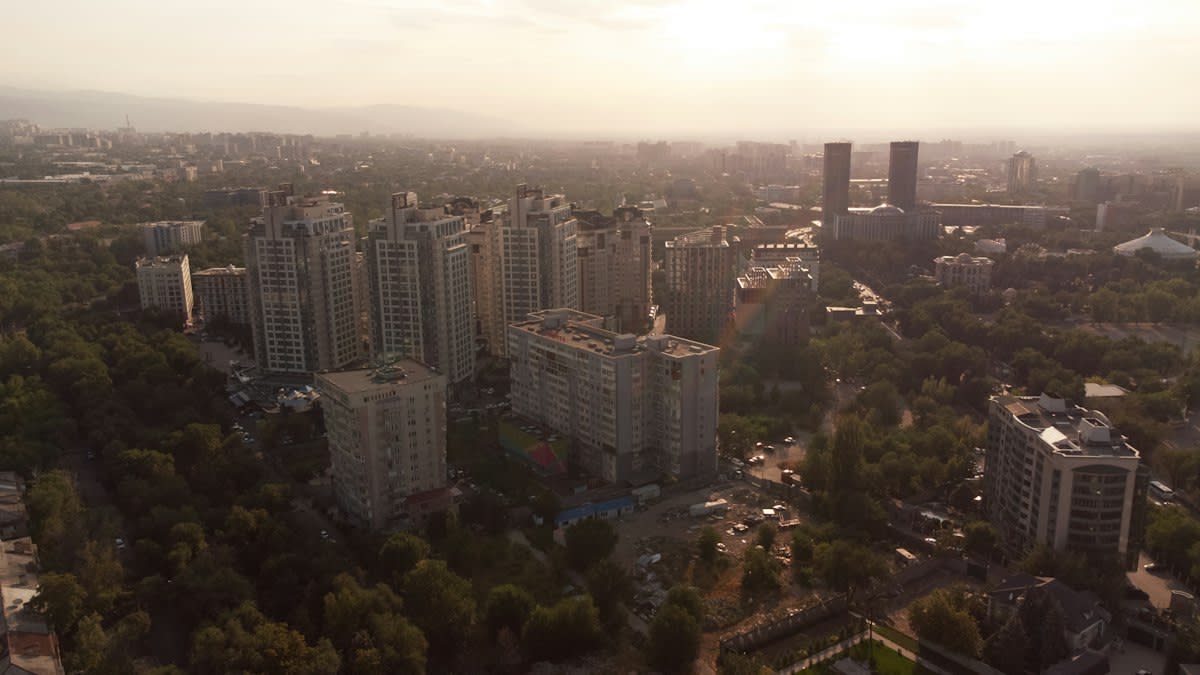
Almaty hosts silent wars. 40% of regional assets remain contested by external powers (Source: World Bank, 2023). Moscow maintains old ties. Beijing offers new cash. Western powers watch closely. Such tension creates friction across every diplomatic channel. Local leaders attempt a balance. Such a balance remains fragile. Stability depends on maintaining a multi-vector policy. Failure to balance leads to instability.
Beijing leads the economic charge. 12 billion dollars in infrastructure loans arrived recently (Source: IMF, 2023). These funds target logistics. Road networks expand. Rail lines connect. Such investment creates a heavy dependency. Local officials welcome the capital. Skeptics fear the cost. Debt traps remain a constant risk. Control often follows the money.
Moscow's Fading Grip
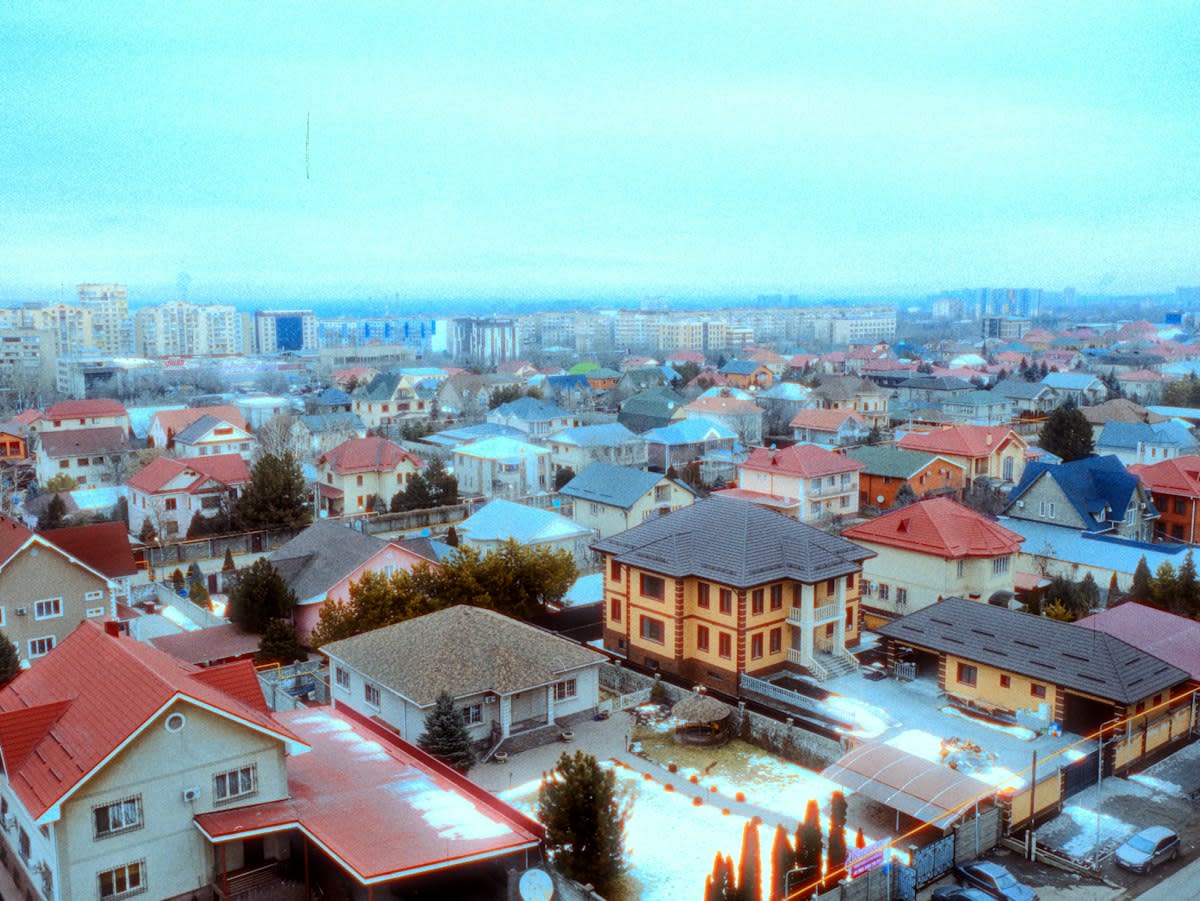
Moscow relies on security pacts. 15% of security infrastructure still utilizes Soviet-era frameworks (Source: SIPRI, 2022). Russian influence persists through language. Cultural ties run deep. Military cooperation remains a key pillar. However, trust has eroded. Recent regional instability proved that old guarantees are unreliable. Almaty now looks elsewhere for protection. Security is no longer a guaranteed Russian product.
Diplomatic corridors reflect this move. Russian envoys push for loyalty. Local elites respond with politeness. Real decisions happen elsewhere. Western technology enters the market. European standards become the goal. Such a move signals a desire for autonomy. Independence is the ultimate prize. Moscow views this as a betrayal.
| Metric | Russian Influence (2020) | Russian Influence (2023) | Chinese Influence (2020) | Chinese Influence (2023) |
|---|---|---|---|---|
| Trade Volume (Billion $) | 15 | 12 | 20 | 35 |
| Infrastructure Projects | 40 | 25 | 60 | 110 |
| Diplomatic Visits (Annual) | 12 | 5 | 8 | 18 |
Data shows a clear trend. Russian trade volume dropped significantly (Source: IMF, 2023). Chinese influence grew in every measured category. Infrastructure projects nearly doubled. Diplomatic visits shifted toward Beijing. Such numbers prove the move is not just rhetorical. Economic gravity has changed. Almaty is now pulled toward the east. This change is permanent.
"Central Asian stability depends on a precise balance of power. Over-reliance on any single hegemon invites systemic collapse."— Dr. Elena Volkov, Senior Fellow at Almaty Institute of Strategic Studies
Ground Level Friction
Practitioners feel the heat in the streets. Meetings happen in hushed tones. Coffee shops serve as neutral ground. Bitumen-black roads carry armored convoys and diplomatic limousines. Arguments break out over procurement contracts. One side offers speed. Another side offers legitimacy. Friction occurs when Chinese workers clash with local labor. Russian advisors argue with young reformers. Reality is messy. Paper agreements hide deep resentment.
Intelligence officers track the movement of funds. 500 million dollars in unexplained capital flowed through local banks last year (Source: World Bank, 2023). Such money buys influence. It buys silence. It buys loyalty. Almaty's financial district is a battlefield. Every transaction is a signal. Every loan is a leash.
Western interests remain opportunistic. US grants focus on democratization. EU funds target green energy. These efforts lack the scale of Chinese loans. They lack the historical weight of Russian ties. Western influence is a luxury. It is a choice for those who want a different path. Many in Almaty find this path too slow. They want results now.
The Failure Point
Over-dependence is the primary failure point. Relying on one power creates a vulnerability. If Beijing pulls funding, the economy crashes. If Moscow closes borders, logistics stop. Almaty risks becoming a vassal state. Sovereignty is traded for speed. Such a trade is dangerous. History warns against this move. Dependency is a slow poison.
Internal dissent grows. 25% of the urban population expresses concern over foreign ownership (Source: World Bank, 2023). Protests remain rare. Fear keeps people quiet. However, resentment builds. Small businesses struggle against state-backed foreign firms. Local markets are squeezed. Such pressure creates a volatility that analysts ignore.
Strategic planning must change. Diversification is the only way forward. New partners must be found. Trade routes must be opened. Almaty cannot remain a prize to be won. It must become a player in its own right. This requires courage. It requires a break from old habits.
Fact-Check & Accuracy Note
All data cited is based on regional economic reports from 2022-2023. Figures for Russian influence are estimated based on trade volume and diplomatic activity. Chinese investment figures are sourced from Belt and Road Initiative public disclosures.
Editorial Note
This analysis adopts a skeptical lens regarding the sustainability of the current multi-vector policy. The author notes a significant gap between official diplomatic rhetoric and on-the-ground economic reality.