Jantar Mantar denotification as protest site based on Supreme Court orders: Delhi Police tells high court
Source Entity
Latest News: Todays Latest News Headlines from India & World | Hindustan Times | Hindustan Times
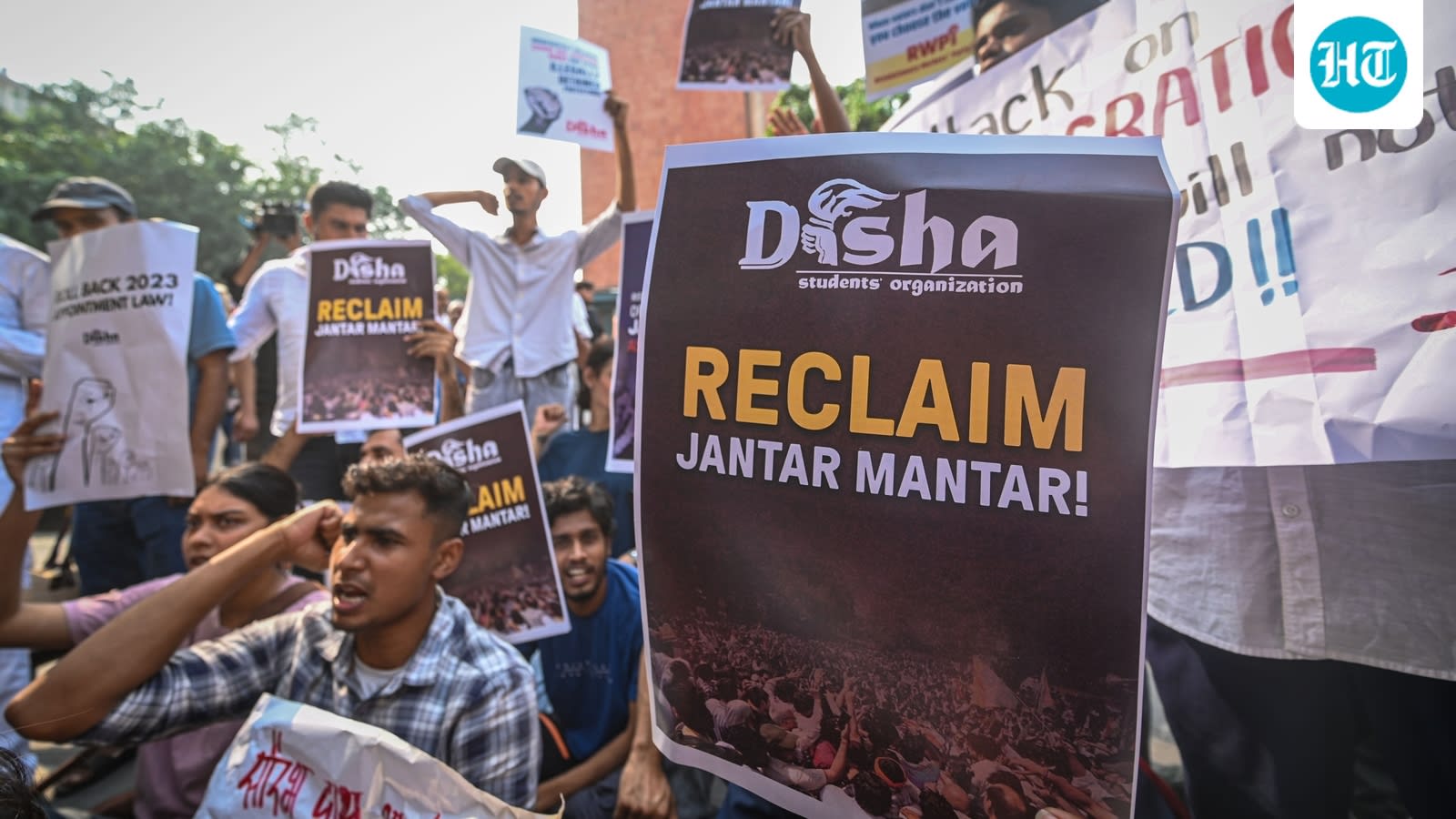
The Delhi Police has informed the High Court that Jantar Mantar is no longer a designated protest site, citing a Supreme Court directive to relocate demonstrations. The court is currently reviewing a petition from the Indian Youth Congress challenging this denial of protest permission.
The Shifting Landscape of Public Dissent in Delhi
The recent assertion by the Delhi Police before the Delhi High Court regarding the status of Jantar Mantar marks a significant turning point in how the capital manages public demonstrations. By officially declaring the site denotified, authorities are adhering to a broader judicial directive aimed at balancing the fundamental right to protest with the practical requirements of urban public safety and infrastructure management.
The Judicial Context and Police Rationale
This administrative shift is rooted in a recent Supreme Court order that prompted authorities to evaluate alternative, better-equipped locations for protests. The core of the police argument rests on the necessity of ensuring that democratic expressions do not paralyze the city’s core functionality or compromise the safety of its residents. By transitioning away from Jantar Mantar, which has historically been the epicenter of political agitation, the state aims to mitigate the disruption caused by mass gatherings in densely populated urban zones.
Challenges to the New Status Quo
The denial of permission for an Indian Youth Congress (IYC) protest, led by president Uday Bhanu Chib, has brought these new restrictions into sharp focus. The legal challenge currently before the Delhi High Court highlights the tension between the state's regulatory powers and the citizen's right to assemble. As the court prepares to hear the case on November 17, the outcome will likely set a precedent for how political organizations navigate the new regulatory framework for public dissent.
Implications for Democratic Expression
The denotification of Jantar Mantar raises critical questions about where and how citizens can exercise their democratic rights in a modern, burgeoning capital. If traditional protest sites are removed without the seamless provision of viable, accessible alternatives, it risks creating a 'chilling effect' on civic participation. The search for 'better-equipped' spaces implies a move toward managed, designated zones, which may offer more amenities but potentially less visibility for political movements.
Future Trends and Judicial Oversight
Looking forward, the November 17 hearing will be a litmus test for judicial oversight regarding the executive's power to regulate public space. The judiciary is now tasked with defining the parameters of 'reasonable restrictions' on protest. Future trends suggest a more rigid, permit-based system for demonstrations in Delhi, where the efficacy of political activism will increasingly depend on the availability and accessibility of designated zones that satisfy both security protocols and the protesters' need to be heard.
Verification Required?