From former MP to slum dwellers, deleted voters testify before panel of former judges
Source Entity
Amaal Sheikh
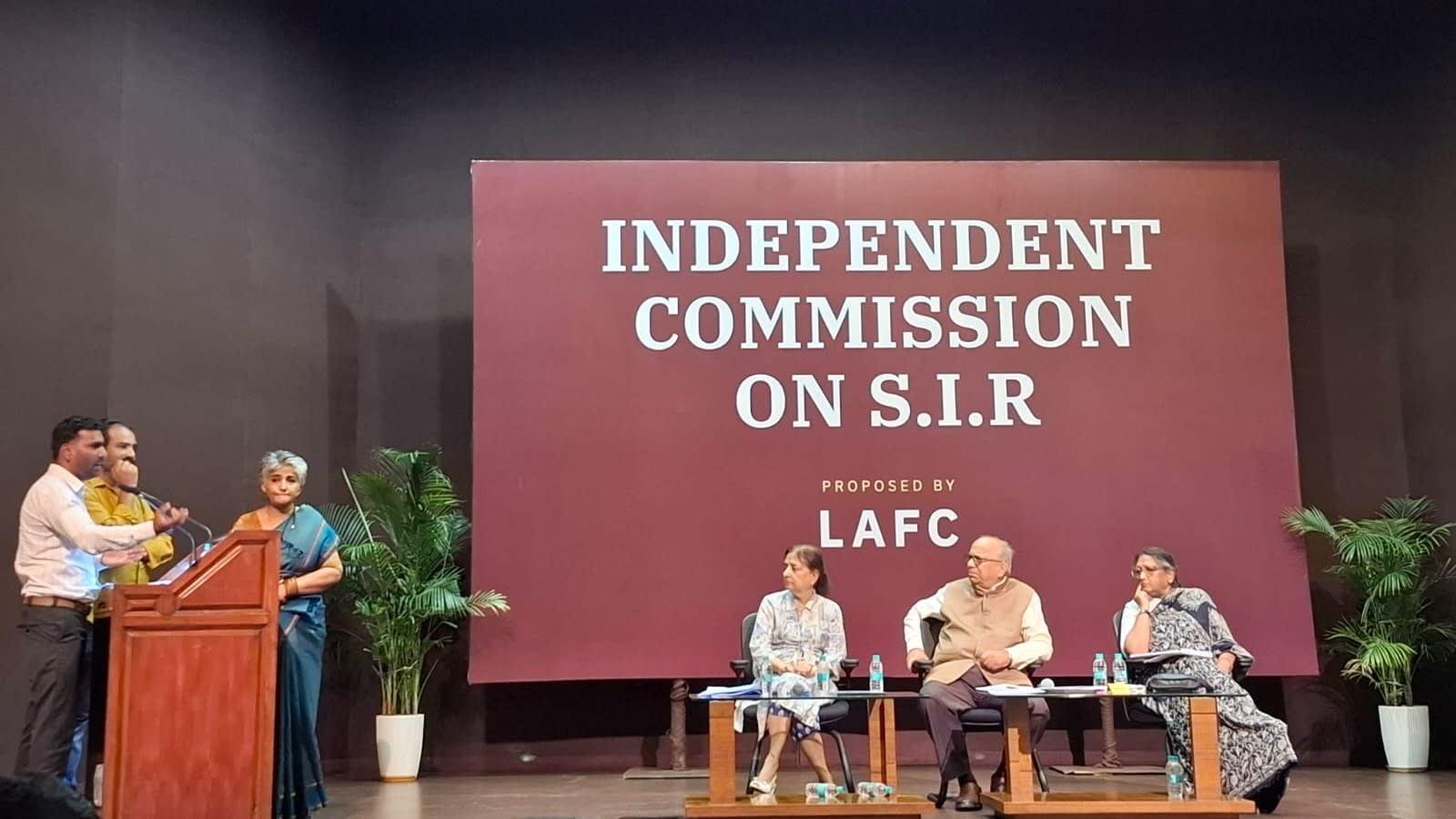
An independent inquiry commission is investigating the mass deletion of 729 voters from Bela Estate in Delhi. Residents claim their names were removed due to the land's status under the Delhi Development Authority, sparking concerns over disenfranchisement.
The Crisis of Voter Disenfranchisement at Bela Estate
A disturbing pattern of electoral exclusion has emerged at Delhi’s Bela Estate, where 729 voters—nearly the entire settlement—found their names removed from the electoral rolls during the Special Intensive Revision (SIR). This systemic erasure was brought to light during a public hearing organized by the ‘Lawyers Association for Democracy’ and an independent inquiry commission composed of former judges. The testimony of Kamal Lal, a long-term resident, provides a harrowing look at how administrative processes can effectively silence marginalized communities.
The Intersection of Land Rights and Democracy
According to the testimonies provided, the justification for these deletions is linked to the land tenure status of the settlement. Residents, who claim to have resided in the area since 1913, were informed by officials that they were no longer eligible for voter registration because Bela Estate sits on land belonging to the Delhi Development Authority (DDA). This narrative suggests a dangerous precedent where the threat of demolition or land reclamation is being used as a tool to strip citizens of their fundamental right to vote, effectively linking civic participation to property tenure.
Administrative Apathy and Lack of Redress
The gravity of the situation is compounded by the lack of administrative follow-through. Despite the intense media scrutiny that eventually led residents to file 496 applications for the re-inclusion of their names, the bureaucratic machinery has remained stalled. These applications have reportedly not been processed, leaving hundreds of individuals in a state of constitutional limbo. This failure to act, despite public awareness, highlights a significant gap in the accountability mechanisms designed to protect the integrity of the electoral roll.
A Nationwide Pattern of Exclusion
The hearings held by the commission, which featured testimonies from representatives across six states including Karnataka, Rajasthan, West Bengal, Odisha, and Telangana, indicate that the Bela Estate incident is not an isolated occurrence. The breadth of these testimonies suggests a broader, nationwide trend of voter disenfranchisement during the SIR process. By examining these cases collectively, the commission aims to identify whether there is a systematic bias or flaw in how voter rolls are maintained in settlements facing land disputes.
Future Implications for Electoral Integrity
The implications of these findings are profound for the health of democratic institutions. When electoral rolls are used as tools for social engineering or as leverage in land disputes, the foundational principle of universal adult suffrage is undermined. Moving forward, the findings of this inquiry commission will be critical in determining whether legislative or judicial interventions are required to decouple voter registration from land ownership status. Ensuring that the most vulnerable citizens are not stripped of their political voice remains a paramount challenge for the oversight bodies responsible for the electoral process.