In meeting with Rubio, Jaishankar raises India’s concerns about sanctions Act
Source Entity
India Latest News: Top National Headlines Today & Breaking News | The Hindu
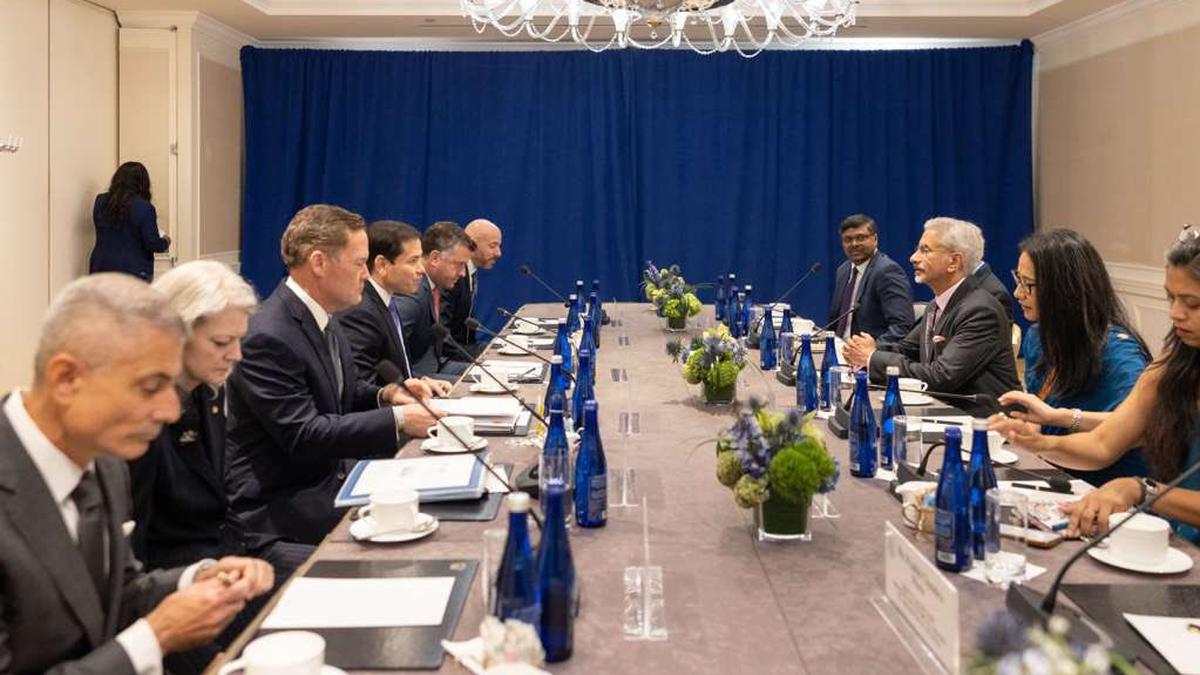
External Affairs Minister S. Jaishankar met with U.S. Secretary of State Marco Rubio to discuss India's concerns over the newly enacted Sanctioning Russia and Iran Act. The meeting also served to coordinate upcoming high-level diplomatic engagements between President Trump and Prime Minister Modi.
Diplomatic Tensions Over the SRIA
On September 23, 2026, External Affairs Minister S. Jaishankar met with U.S. Secretary of State Marco Rubio in New York to address critical bilateral friction points, most notably the newly enacted Sanctioning Russia and Iran Act (SRIA). This meeting marks a pivotal moment in U.S.-India relations, as the legislation poses significant economic risks to India’s energy security. The SRIA mandates that the U.S. President impose tariffs of up to 100% on nations purchasing Russian oil, while simultaneously tightening sanctions on Iranian trade, effectively putting India’s strategic autonomy to the test.
The Economic Implications of SRIA
The core of the apprehension lies in the potential for immediate economic disruption. With the law requiring implementation after a one-month grace period, India faces a narrow window to secure exemptions or diplomatic reassurances. Given that India has historically relied on diverse energy sources to maintain its rapid economic growth, the threat of 100% tariffs on Russian crude oil could destabilize domestic fuel prices and inflate the national import bill. Minister Jaishankar’s explicit articulation of these concerns to Secretary Rubio reflects the urgency of navigating these new U.S. domestic legislative constraints without compromising India’s national interests.
Strategic Energy Cooperation
Despite the friction caused by the SRIA, the diplomatic channel remains active and forward-looking. Secretary Rubio is scheduled to visit India next week, with a specific focus on energy talks and a planned visit to the refining hub of Jamnagar. This visit suggests that the U.S. is cognizant of the need to provide alternatives or pathways for India to adjust its energy procurement strategies without suffering catastrophic economic fallout. The focus on Jamnagar indicates that the conversation will likely pivot toward technical and infrastructure cooperation that could potentially mitigate the impact of the new sanctions regime.
Preparing for High-Level Summits
Beyond the immediate legislative crisis, the meeting served as a vital preparatory step for upcoming high-level engagements between President Donald Trump and Prime Minister Narendra Modi. Both administrations are looking to solidify a long-term strategic roadmap for the remainder of the year. By addressing the SRIA early, both sides are attempting to clear the air so that the broader bilateral agenda—spanning defense, technology, and trade—can proceed without the shadow of the current sanctions standoff.
Future Outlook and Diplomatic Balancing
The situation remains delicate as India attempts to balance its long-standing strategic partnerships with its necessity to remain a key player in global energy markets. The “strongly worded reaction” from the Indian side underscores the gravity with which New Delhi views the SRIA. Moving forward, the effectiveness of Secretary Rubio’s visit to India will be a bellwether for how the U.S. intends to manage its domestic legislative mandates while maintaining a stable, growth-oriented relationship with a key Indo-Pacific ally. The coming months will likely see intensive negotiations aimed at finding a middle ground that satisfies U.S. foreign policy objectives regarding Russia and Iran while protecting India’s energy-dependent economic trajectory.
Verification Required?