Kangana Ranaut backs Bittu Tabahi after river he cleaned for 8 months gets polluted again: ‘People cry about rights’
Source Entity
Latest News: Todays Latest News Headlines from India & World | Hindustan Times | Hindustan Times
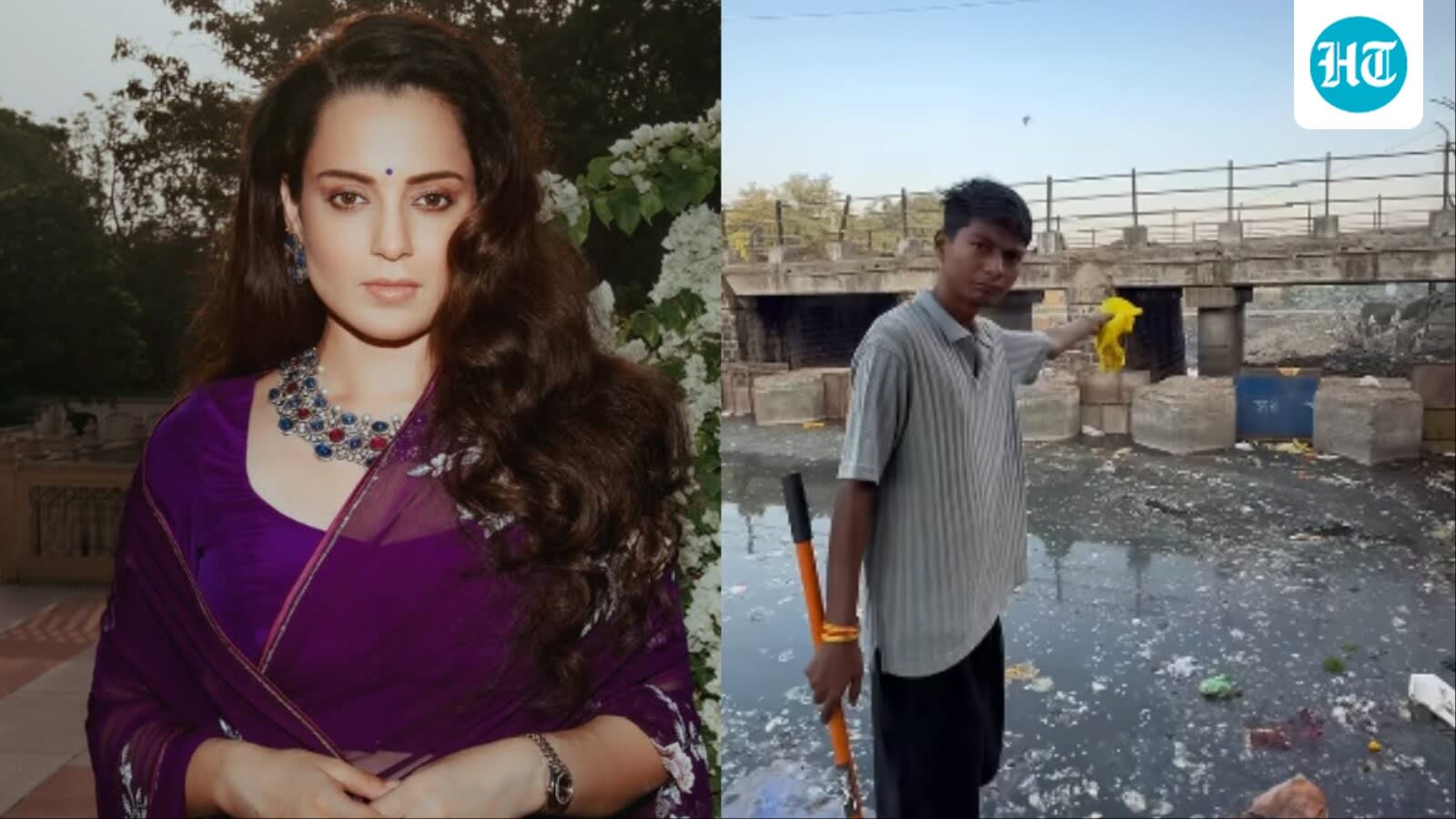
Environmental activist Surendra Singh Choudhary, known as Bittu Tabahi, has resumed cleaning the Ajnar River in Madhya Pradesh after finding it heavily re-polluted. Despite his frustration over eight months of wasted effort, he continues his solo mission to combat civic negligence and plastic waste.
The Sisyphean Struggle for Environmental Restoration
The recent plight of Surendra Singh Choudhary, widely known as ‘Bittu Tabahi,’ highlights a stark and recurring challenge in grassroots environmental activism. After dedicating eight months of solitary, manual labor to clear tonnes of refuse from the Ajnar River in Madhya Pradesh’s Rajgarh district, Choudhary returned to find the waterway choked with plastic bags and waste once again. This disheartening development underscores the fragility of ecological restoration efforts when they are not supported by systemic waste management infrastructure.
The Reality of Grassroots Activism
Choudhary’s methodology is characterized by raw persistence rather than institutional backing. Working without specialized equipment and navigating the physical hazards of the river—despite not being a strong swimmer—he represents a growing movement of individuals taking direct action against environmental degradation. His decision to return to the river, bag by bag, despite the emotional toll of seeing his previous labor effectively erased, speaks to a profound commitment to civic duty that often outpaces local administrative oversight.
The Broader Implications of Civic Negligence
This incident serves as a microcosm for the broader crisis of plastic pollution in India’s inland waterways. While individuals like Bittu Tabahi provide a vital service, the rapid re-accumulation of waste suggests a profound lack of civic responsibility and a failure in local waste disposal systems. Without the enforcement of anti-littering regulations or the provision of accessible public waste management, the efforts of single individuals become a repetitive, near-impossible cycle of remediation.
Historical Context and Digital Advocacy
Choudhary’s history of environmental work, including his efforts along the Yamuna river, demonstrates a pattern of tackling formidable, large-scale pollution issues. By leveraging social media platforms like Instagram to document his work, he has managed to capture public attention and foster a dialogue about environmental stewardship. The influx of support from social media users calling him a ‘hero’ indicates that while there is public appetite for clean rivers, there remains a disconnect between digital advocacy and physical behavior change on the ground.
Future Trends and Sustainability
For cleanup efforts to be sustainable, they must transition from individual heroism to community-led or government-backed maintenance programs. The trend of 'hero-based' activism is powerful for raising awareness, but as seen with the Ajnar River, it is insufficient as a long-term solution. Future environmental trends will likely necessitate a shift toward policy-driven waste prevention, where the burden of maintaining clean water sources is shared by local municipalities and the citizens who utilize them, rather than relying solely on the tireless efforts of activists like Bittu Tabahi.
Multiple Citing Sources
Verification Required?