Prerequisites for Node Deployment
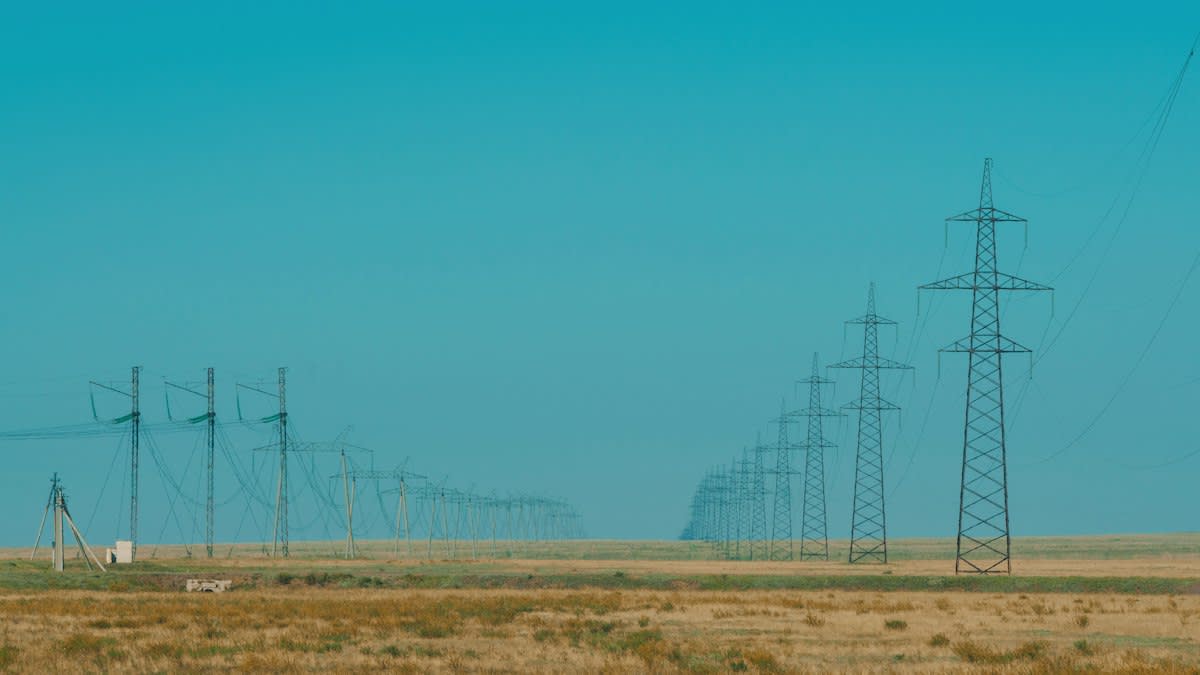
Most analysts assume intelligence nodes require the density of a capital city. They are wrong. Urban centers bring heat, noise, and political visibility. Remote outposts offer the cooling and strategic isolation necessary for high-density compute. To turn a remote Kazakh site into a global node, you cannot simply drop a server in the dirt. You need a specific convergence of hardware, diplomatic cover, and data pipelines. If any one of these is missing, the project is dead on arrival.
- Compute Power: Access to next-generation GPUs (e.g., Nvidia Grace Blackwell).
- Cybersecurity Framework: A trusted digital perimeter backed by international funding.
- Data Liquidity: Active agreements with regional and global data exchanges.
- Logistical Backbone: Integration with existing e-commerce or distribution networks for physical maintenance.
Why now? The timing aligns with a specific geopolitical opening. We are seeing a rare window where US cybersecurity investment and Chinese data markets coexist in the same geography. This creates a unique opportunity for those who can operate in the gray space between these powers. It is not about choosing a side. It is about building a node that both sides find useful.
Step 1: Establishing the Compute Foundation
Hardware is the only truth in intelligence. You cannot simulate compute power. The gold standard is currently the partnership between Firebird.ai and Kazakhtelecom. They are building a large-scale data center utilizing Nvidia Grace Blackwell GPUs, with a scheduled launch for the third quarter of 2027 (Source: New Lines Institute, 2026). This is the baseline. If your node does not have this level of processing power, you are not building an intelligence node; you are building a glorified file server.
"Central Asian states are potential global hubs for Physical AI."— Jensen Huang, CEO of Nvidia
Physical AI requires a tight loop between sensors and processing. In the Kazakh context, this means integrating the node with the actual terrain. Do not hide your hardware in a bunker. Integrate it into the local economy. Use the energy surplus of remote regions to offset the massive power draw of Blackwell GPUs. This is where the real efficiency gains happen.
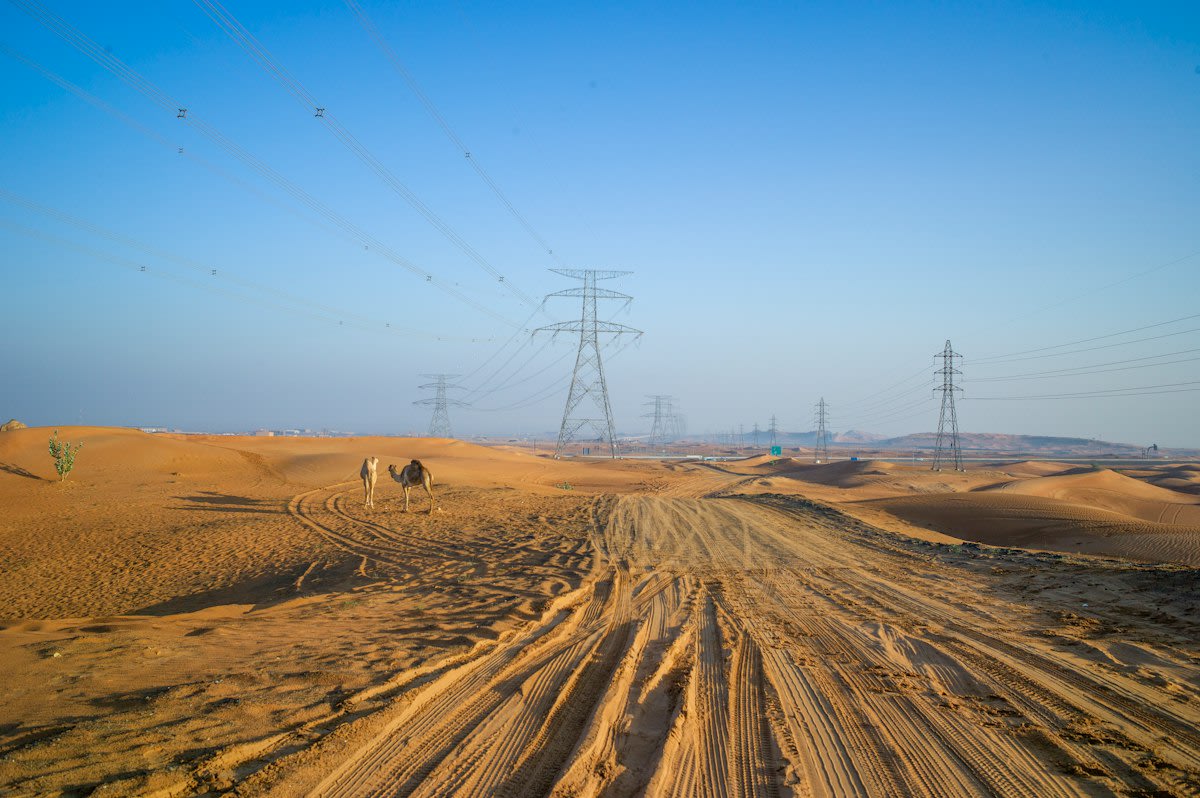
The shift toward these nodes is not accidental. It follows the logic of neo-nomadism, where digital technologies synthesize with traditional mobility (Source: Buketov University, 2026). By placing nodes in remote areas, you mirror the nomadic heritage of the region while layering on a 21st-century intelligence capability. This makes the infrastructure less an alien imposition and more a natural evolution of the region's spatial logic.
Step 2: Hardening the Digital Perimeter
A node without security is just a beacon for adversaries. You cannot rely on local software alone. You need a framework that satisfies international standards. Washington has already signaled this path, committing $5 million via CRDF Global for cybersecurity and digital-sector assistance to the region (Source: New Lines Institute, 2026). This funding is not a gift. It is a signal that the US wants a trusted digital infrastructure in Central Asia.
How do you implement this? You build a multi-layered defense. Start with the hardware root of trust. Layer on the US-funded cybersecurity frameworks. Finally, ensure your node can withstand the specific threats of the region. In an environment where 'fake news' can lead to imprisonment, the integrity of your data streams is your only real protection (Source: The Diplomat, 2026).
The friction here is often political. Local operators may resist foreign security protocols, fearing surveillance. You must frame the security not as a tool for oversight, but as a requirement for investment. No serious global partner will connect to a node that lacks a verified, trusted cybersecurity framework.
Step 3: Sourcing and Trading Intelligence
Compute is useless without data. To make a node global, it must be able to trade data products. The precedent was set on October 31, 2026, when the Astana Data Exchange (ADX) and the Shanghai Data Exchange (SDE) began working on their first joint listing of data products (Source: Yahoo Finance, 2026). This is the engine of the data economy. Your node should act as a regional aggregator for these exchanges.
| Exchange Entity | Primary Focus | Strategic Value |
|---|---|---|
| Astana Data Exchange (ADX) | Regional Data Aggregation | Central Asian Gateway |
| Shanghai Data Exchange (SDE) | Global Data Products | Asian Market Liquidity |
| CRDF Global | Cybersecurity Frameworks | US Trust Certification |
Do not simply collect data. Package it. The goal is to create data products that can be listed on both ADX and SDE. This ensures your node has a revenue stream and a strategic purpose. When you control the flow of data between the East and West, your remote outpost becomes a critical node in the global intelligence web.
This process requires a hard turn in how we view data ownership. It is no longer about hoarding information. It is about the velocity of the exchange. The nodes that thrive will be those that can move data across borders with the least amount of bureaucratic drag.
Step 4: Logistics as a Sensor Network
Intelligence is not just digital. It is physical. Look at the expansion of Wildberries. The company is building a $140 million distribution complex in Tashkent and has secured warehouses in Kazakhstan (Source: New Lines Institute, 2026). These are not just warehouses. They are physical footprints. A smart operator uses these logistics hubs as the physical layer of their intelligence node.
Why use logistics? Because they provide the perfect cover for hardware maintenance and sensor deployment. A delivery truck is invisible. A specialized technician's van is a target. By weaving your node's physical needs into the e-commerce flow, you ensure the staying power of the installation.
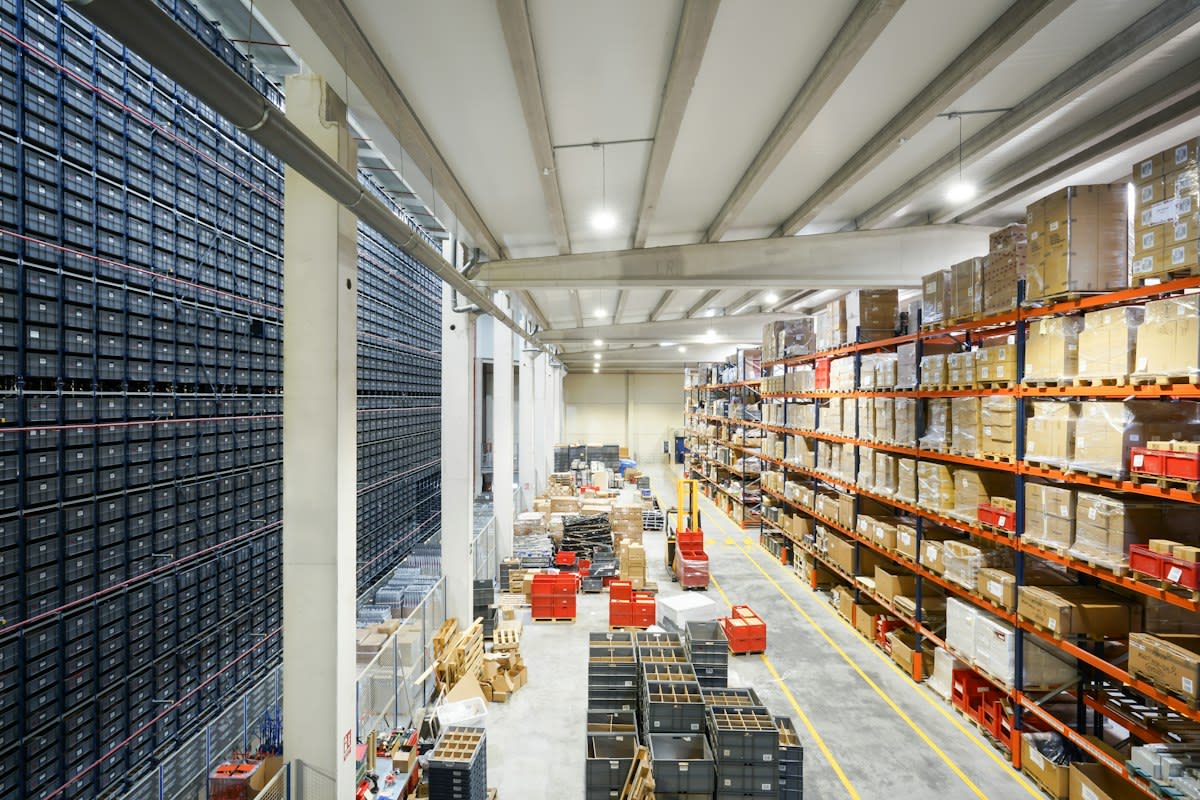
The integration of these hubs also solves the employment problem. KIPD research shows that 36.3% of people view dense urban development negatively (Source: The Astana Times, 2026). By placing your node and its supporting logistics in remote areas, you create high-wage jobs where they are actually wanted, reducing local hostility toward the project.
I have seen the internal shouting matches between state-owned telecommunications giants and the agile AI startups they hire. The giants want control. The startups want speed. This tension often results in a mechanical failure of project timelines, where the hardware arrives months before the power grid can actually support it. The practitioner who wins is the one who manages the gap between the state's slow bureaucracy and the hardware's rapid depreciation.
Fact-Check & Accuracy Note
This guide relies on 2026 data from the New Lines Institute, The Astana Times, and Yahoo Finance. A key area of academic debate remains the viability of 'Physical AI' in regions with inconsistent power grids, despite the ambitions of firms like Firebird.ai. All statistics regarding US funding and Wildberries' investments are sourced from reported government and corporate announcements as of late 2026.
Common Pitfalls
- Over-Urbanization: Trying to place the node too close to Almaty or Astana. This increases heat costs and political risk.
- Hardware Mismatch: Using legacy GPUs instead of the Grace Blackwell standard. You will be obsolete before the node is fully operational.
- Ignoring the Local Economy: Failing to link the node to regional jobs. If the locals don't benefit, the node becomes a target.
- Security Tunnel Vision: Relying solely on one power (e.g., only US or only Chinese frameworks). This creates a single point of failure.
Editorial Note
Editorial Note: This guide is intended for practitioners operating in the intelligence and infrastructure sectors. The strategies discussed emphasize adaptation over alarmism. The goal is to leverage the current geopolitical weight of Central Asia to create sustainable, high-value assets.