
Kyoto hides its threads. 93 percent of Toray fibers use recycled mass (Source: Robotics & Automation News, 2026). This is not craft. This is industrial war. Textiles are now data carriers. The goal is material independence through recycled polymers.
The Polymer War
Toray Industries is fighting a battle against polymer degradation. They have hit a mark of 93 percent recycled material by weight (Source: WWD, 2026). This is not a green move. It is a bid for efficiency. They are overcoming technical hurdles to ensure the nylon and polyester blend does not fail under mass production stress. This means the future of Japanese textiles is no longer just silk, but high-performance waste.
The technical difficulty lies in combining recycled polymers while maintaining quality (Source: Robotics & Automation News, 2026). Most companies fail here. Toray succeeded by stabilizing the mass of the composite fiber. This allows for mass production of corporate clothing and workwear. Ponda is already using bulrush-based insulation for customizable vests (Source: WWD, 2026). The industry is moving away from virgin plastics.
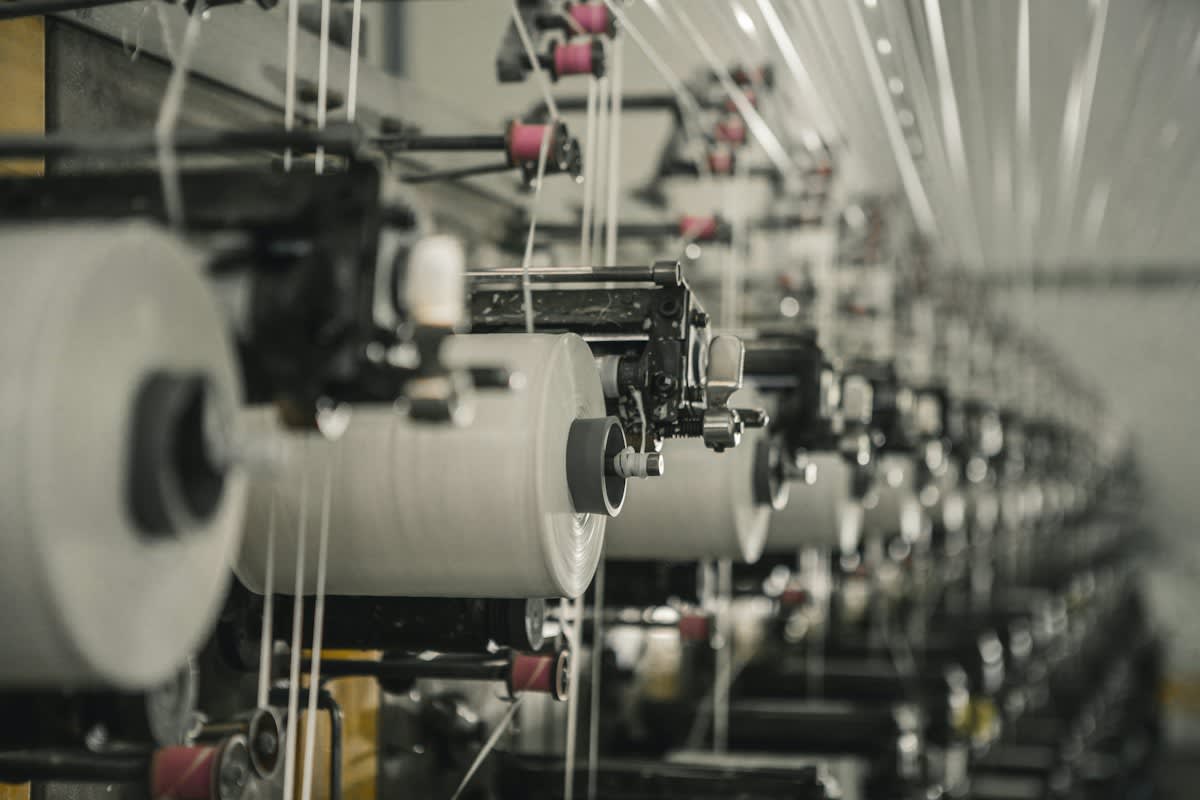
These material gains create a gap between Japan and other hubs. In Jakarta, the market copies these styles, but they cannot copy the recycled polymer chain. The chemistry is the moat. Without the 93 percent recycled mass, the fabric lacks the same durability. Intelligence gathering requires tracking these polymer patents.
The Designer Trajectory
Kiichiro Asakawa provides a map for the new guard. He started with Carol, a Tokyo boutique for vintage pieces (Source: BoF, 2026). He did not study design in a school. He learned by deconstructing vintage denim for clients. This unconventional path led to the creation of Ssstein. He reframed traditional craft into unisex garments.
Asakawa won the Fashion Prize of Tokyo 2025 (Source: BoF, 2026). This win accelerated his move to Paris. He became an LVMH Prize semi-finalist in 2026 (Source: BoF, 2026). His success proves that material exploration is more valuable than formal training. He uses restrained silhouettes to hide the technical work.
"The self-taught designer has taken his experimental approach to Japanese tailoring from an engaged cult following to the global stage."— BoF 500, The Business of Fashion
Tracking a designer requires watching their source material. Asakawa's obsession with vintage denim informed his entire process. This is how you spot the next trend before it hits Paris. You look at the boutiques in Tokyo, not the runways. The real work is in the deconstruction.
Nacre and Hikihaku
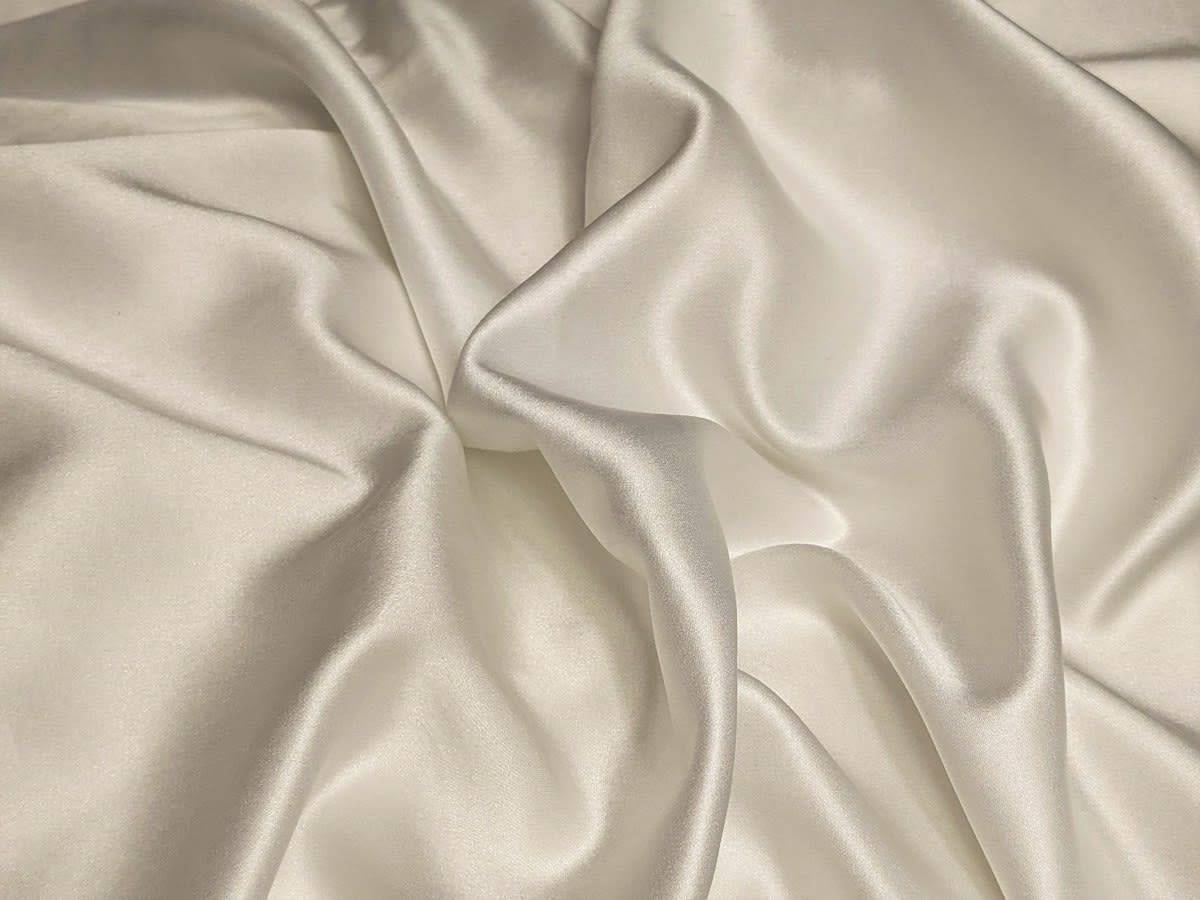
Tamiya Raden operates in the Tango region of Kyoto (Source: Cabana Magazine, 2026). They use an adaptation of hikihaku. This process transforms shell nacre into shimmering threads. It is an extraordinarily rare craft. These threads are then woven into cloth.
The rarity of nacre threads makes them a target for intelligence. Unlike Toray's polymers, this is not about mass production. This is about exclusivity. The Tango region faces the Sea of Japan, creating a secluded hub for these secrets. The weave is a historical document of identity.
Real work happens in the dirt. You do not find these secrets in press releases. You find them by watching the waste bins of Tokyo boutiques. There is friction between the old weavers in Tango and the new chemists at Toray. One wants to keep the nacre secret. The other wants to scale it. This is a clash of egos and polymers.
Sensing and Security
Textiles are becoming sensors. Intelligent textile sensing systems now require robust data-protection (Source: Communications Materials, 2026). End-to-end encryption is the only way to prevent unauthorized access. If the fabric can sense, the fabric can be hacked.
This connects to the fight for digital legacy. Geoff Froh at Densho works on the reclamation of WWII data (Source: Densho, 2026). He argues that data created without consent belongs to the community. This same logic applies to biometric data collected by intelligent textiles. The wearer owns the data, not the manufacturer.
Intelligence Prerequisites
- Access to Toray polymer mass specifications (2026)
- Contact list for Tokyo vintage boutique owners
- Knowledge of hikihaku nacre extraction
- Encryption tools for sensing data interception
- Mapping of the Tango region weaving hubs
How to Map Textile Intelligence
- Identify the material source. Track if the fiber is recycled polymer or natural nacre.
- Monitor designer paths. Look for self-taught creators like Asakawa who move from vintage to global labels.
- Analyze the mass. Verify if the recycled content hits the 93 percent mark (Source: WWD, 2026).
- Audit the data flow. Check for end-to-end encryption in sensing textiles (Source: Communications Materials, 2026).
- Cross-reference with digital archives. Use community-led data reclamation models to find lost craft secrets.
Common Pitfalls
Many hunters confuse style with material. They see a restrained silhouette and think it is a design choice. It is often a material limitation. Others ignore the 93 percent recycled mass claim. They assume all recycled yarn is the same. It is not. The polymer stability is where the secret lies.
Critical Failure Point
Failure Point: Unauthorized access and data breaches in textile sensing systems can compromise participant privacy (Source: Communications Materials, 2026).
Fact-Check Note
Fact-Check: Verify Toray's 93 percent recycled mass claim against actual mass production yields in the 2026 cycle.