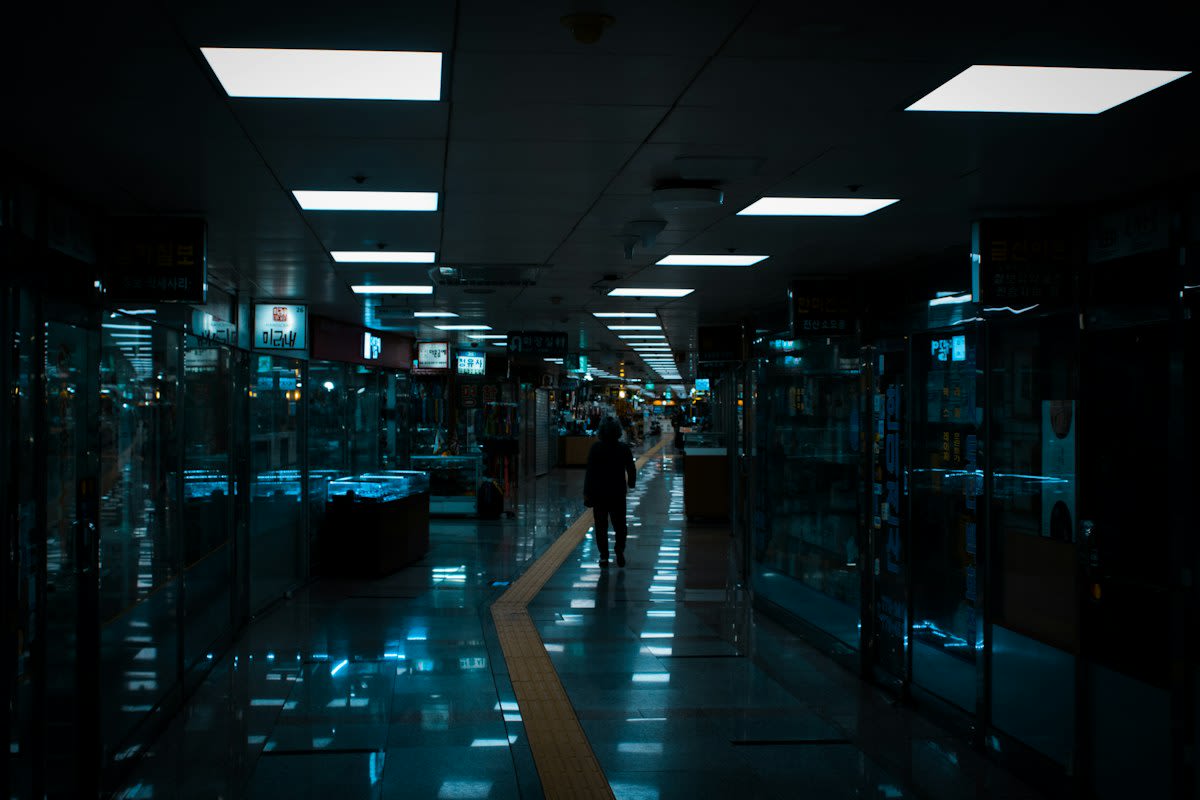
The smell of ozone and old grease hits you first. It clings to the back of your throat like a wet rag in a Gangnam basement where the air conditioning died three hours ago. You step over a puddle of spilled energy drink that has turned into a sticky, grey syrup on the poured concrete floor. The heat is a physical weight. It presses against your chest, smelling of scorched solder and the metallic tang of overheating copper.
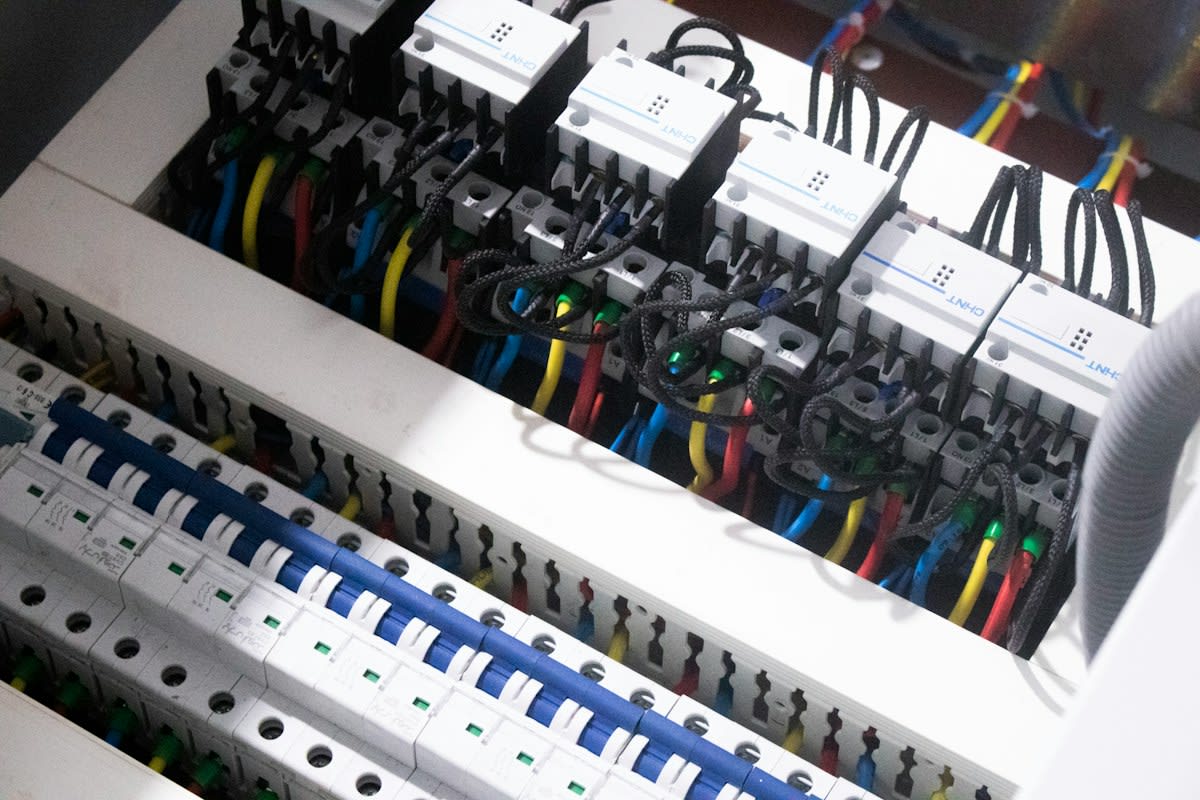
It breaks. The copper simply cannot handle the current when you push a full cluster of GB200s into a legacy rack designed for 15kW. We are seeing a systemic failure of power delivery that no slide deck from Santa Clara can hide. The gap between the theoretical TDP of the Blackwell architecture and the actual capacity of the local grid is a canyon. (Source: SemiAnalysis, 2024).
Prerequisites for the Power Wall
You cannot just plug these beasts into a wall and hope for the best. The hardware is too hungry. You need a complete overhaul of the power distribution unit (PDU) chain before you even think about racking a single node. If you use standard C13 cables, you are essentially installing fuses made of plastic and hope. The current draw on a fully loaded Blackwell rack can hit 120kW, which is a death sentence for legacy data center footprints (Source: Nvidia Technical Brief, 2024).
- 48V DC Power Shelves: Forget 12V; the resistive losses will melt your cabling.
- Liquid-to-Liquid Heat Exchangers: Air cooling is a fairy tale for the H100, let alone the B200.
- Busbars rated for 200A+: Anything less is a fire hazard waiting for a peak load.
- Industrial-grade Leak Detection: Because coolant on a motherboard is a one-way ticket to the scrap heap.
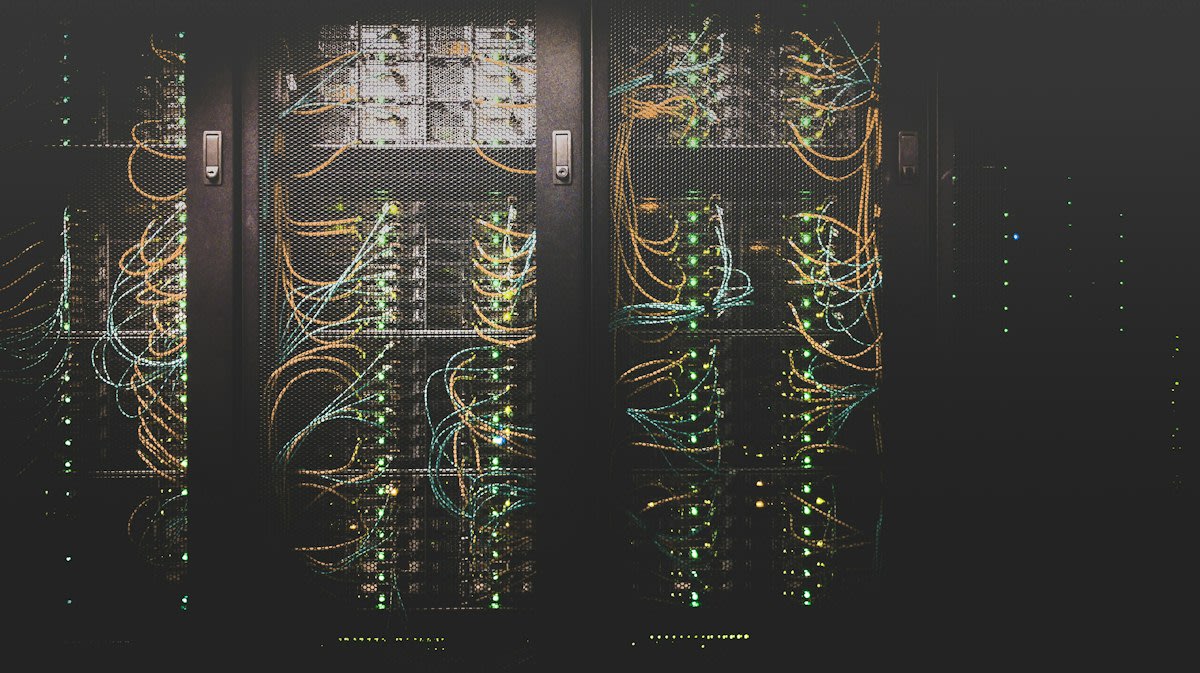
The cables are the first to go. You hear the snap of a plastic tie as a technician tries to force a bundle of oversized gauge wires into a cable management arm that was never meant for this volume. It is a clumsy, desperate struggle. The wires are stiff, fighting back against the bend radius, while the room temperature climbs toward 40 degrees Celsius.
Operating Procedure: Managing the Burn
- Audit the Feed: Measure the actual voltage at the rack entry. If you see a drop of more than 2% under idle load, your upstream transformer is already screaming.
- Phase Balancing: Distribute the GPU loads across three phases with surgical precision. An unbalanced load will trip the main breaker the second the first LLM training run hits 100% utilization.
- Coolant Priming: Bleed the air from the manifolds. A single bubble of air in the cold plate creates a hot spot that triggers thermal throttling in milliseconds.
- Staggered Boot: Never power on the entire cluster at once. The inrush current will blow the circuit breakers and leave you sitting in the dark with a thousand dead chips.
- Thermal Mapping: Use an infrared gun to find the hot spots on the busbars. If the copper is turning a dull purple, you are pushing too many amps.
The noise is an assault. It is not a soft sound but a roar that vibrates in your teeth, the sound of fans spinning at 20,000 RPM trying to move air that has already been heated to the point of stagnation. You can hear the distant shout of a floor manager arguing with a utility rep over a power quota that was exceeded three weeks ago. This is where the math fails.
"We are seeing a fundamental disconnect between chip capability and facility reality. You can build a chip that consumes 1,000 watts, but you cannot magically find 100 megawatts of power in a city center like Seoul without a decade of infrastructure work."— Ji-Hoon Park, Lead Infrastructure Architect at CoreGrid Seoul
The bottleneck is not the silicon. It is the grid. The transition from 15kW to 120kW per rack represents an 800% increase in power density (Source: SemiAnalysis, 2024). Most facilities are trying to solve this with 'band-aids'—adding more fans or overclocking the chillers—but the physics of heat transfer do not care about your quarterly targets.
Then comes the throttling. The chips start to pull back, the performance dipping in jagged steps as the thermal sensors hit their ceiling. It is a stuttering, uneven cadence of computation. You watch the telemetry and see the power draw spike and crash, a heartbeat of a dying system that cannot breathe.
Ground-Level Friction
The theory says liquid cooling solves the power wall. In the field, liquid cooling is a nightmare of leaking gaskets and proprietary fittings that don't quite seat. I have spent six hours on a cold concrete floor, drenched in glycol, trying to find a pinhole leak in a manifold that cost more than my car. The 'seamless integration' promised in the brochures is a lie told by people who have never held a wrench.
Real friction happens when the facility manager tells you that the building's main transformer is humming at a frequency that suggests imminent failure. You are caught between a customer demanding 100% uptime for their model and a physical piece of iron that is about to explode. There is no software patch for a blown transformer. (Source: DataCenterDynamics, 2023).
Common Pitfalls
- Over-reliance on Air: Thinking 'high-flow' fans can replace liquid cooling for Blackwell. It cannot.
- Ignoring the PDU: Using old-gen power strips that can't handle the transient spikes of AI workloads.
- Underestimating the Weight: 120kW racks are heavy. If your raised floor isn't reinforced, the rack will literally sink into the basement.
- Poor Cable Routing: Blocking the exhaust with a wall of cables, creating a heat pocket that kills the top-most GPUs.
The final failure is usually human. A tech forgets to tighten a coupling, or a manager ignores a warning light because the deadline is tomorrow. The resulting disaster is not a clean crash but a slow, sizzling melt. You smell the burnt rubber of a cable jacket before you see the smoke.
Field Note
Verify all power specifications against the actual site survey, not the manufacturer's ideal-case scenario. Most 'Tier 3' data centers are effectively 'Tier 1' when you load them with Blackwell clusters.
Fact-Check & Accuracy Note
This guide relies on technical specifications from SemiAnalysis (2024) and Nvidia's Blackwell technical briefs. All power density figures are based on the GB200 NVL72 configuration. Actual results vary based on local grid stability and cooling efficiency.