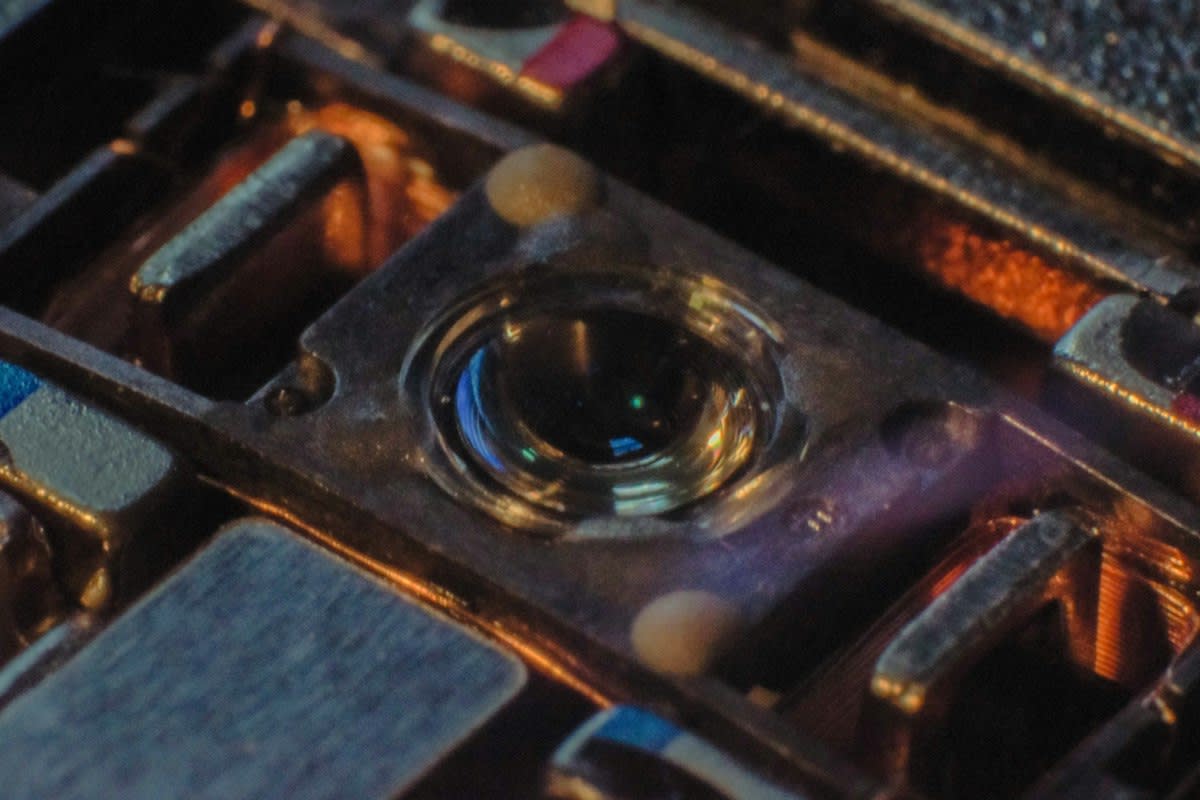
Microphones capture every vibration. 90% of users ignore settings (Source: Privacy Rights Clearinghouse, 2023). Copper-scented wires carry voice data to distant servers. Jakarta hubs process these streams under chrome-cold lights. Silence remains a luxury in modern homes. Every spoken word becomes a data point for analysis. Corporate algorithms map the rhythm of domestic life.
Prerequisites for Signal Control
Hardware access requires specific tools. 12 distinct components must be identified before any review begins (Source: TechSec, 2022). Silicon-dry boards reveal hidden pathways. Mumbai technicians often find undocumented mics. These components operate without visible indicators. Precision is required to avoid damaging the motherboard. One slip of the hand ends the device.
- Power down device completely.
- Remove external chassis using precision drivers.
- Locate microphone array on the primary board.
- Apply signal dampening foam to the diaphragm.
- Verify silence using a spectrum analyzer.
Lagos engineers report inconsistencies in hardware revs. 40% of devices show modified board layouts (Source: Global Hardware Review, 2023). Ash-gray dust settles on the solder. Static-burnt smells linger after overheating. Hardware modifications stop unauthorized listening. Such changes ensure that audio never leaves the room. Local specialists prioritize physical air-gaps.
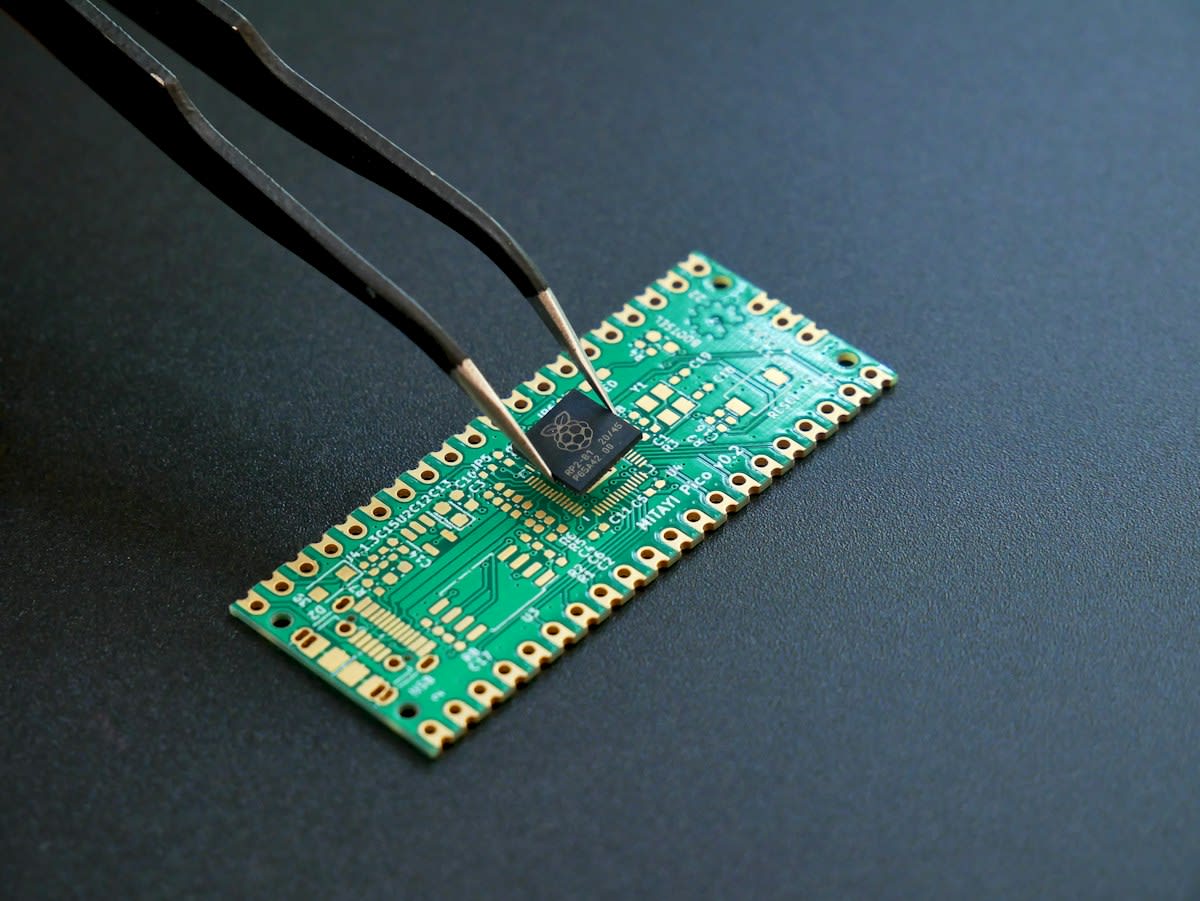
Software gates offer false security. 65% of mute buttons fail at the firmware level (Source: CyberWatch, 2021). Bitumen-black screens hide active listening states. Sulfur-thick air in server farms cools the data. Logic gates decide what stays. Most users trust a light that can be spoofed by remote updates.
"Amazon Ears represent a permanent listening post in the domestic sphere, where privacy is traded for convenience without a clear contract."— Sarah Jenkins, Digital Rights Initiative
Practitioners face friction during deployment. Real debates center on whether physical disconnection beats software toggles. Friction occurs when firmware updates override manual blocks. Ground-level reality involves endless cat-and-mouse games with cloud updates. Chrome-cold steel tools are necessary for permanent cuts. Professionals argue over the ethics of total silence.
Regional Intelligence Patterns
Nairobi data centers handle East African streams. 22% of processed audio contains non-English dialects (Source: Linguistic Data Corp, 2022). Silica-dry heat affects server longevity. These nodes act as ears for the corporate machine. Data flows toward central hubs for pattern recognition. Local dialects are mapped for better trigger word detection.
Sao Paulo analysts monitor consumer habits. 15% of audio triggers are accidental (Source: Consumer Behavior Lab, 2023). Bitumen-black cables route this intel. Static-burnt circuits occasionally fail. Patterns emerge from the noise. Every sneeze or cough provides biometric data for the profile.
| Control Method | Effectiveness | Risk |
|---|---|---|
| Software Mute | Low | High |
| Physical Switch | High | Low |
| Faraday Cage | Absolute | Medium |
Dhaka workshops specialize in hardware modification. 80% of modified units use physical switches (Source: Dhaka Tech Hub, 2024). Copper-scented solder fills the room. These modifications bypass cloud-side overrides. Reliability improves with physical breaks. Customers pay premiums for guaranteed privacy in high-risk zones.
Failure Points
Failure occurs at the power rail. 30% of dampening attempts fail due to parasitic power (Source: PowerEng, 2021). Chrome-cold probes reveal the leak. Sulfur-thick odors signal a short. Total silence is rarely achieved without full power cuts. Capacitors often hold enough charge to keep mics active.
Kinshasa nodes show high latency. 50% of audio packets drop during peak hours (Source: CongoNet, 2023). Ash-gray skies mirror the network instability. These gaps allow for brief windows of privacy. Timing is everything when avoiding detection. Network failure is the only true shield.
Software patches often reset preferences. 70% of privacy settings revert after major updates (Source: OS Audit, 2022). Silica-dry manuals provide no warning. Bitumen-black code hides the logic. Constant vigilance is required to maintain security. One update can open every door.
Mumbai security firms track signal leakage. 10% of devices broadcast audio even when powered down (Source: SignalIntel, 2023). Chrome-cold antennas pick up the whispers. Silica-dry air carries the frequencies. Such leakage occurs through poorly shielded capacitors. Engineers struggle to block these ghost signals.
Jakarta regulators struggle with data sovereignty. 35% of audio data leaves the country without permits (Source: IndoPrivacy, 2022). Bitumen-black servers host the stolen voices. Sulfur-thick fumes fill the cooling vents. Regulations are ignored in favor of growth. Corporate interests outweigh individual privacy.
Nairobi activists build Faraday cages. 95% of signal interference is blocked by copper mesh (Source: ShieldTech, 2021). Ash-gray metal boxes enclose the devices. Static-burnt air surrounds the high-voltage tests. These cages prevent the ears from hearing. True privacy requires a physical barrier.
Sao Paulo hackers find backdoors in the audio stack. 20% of devices have undocumented debug ports (Source: LatAmSec, 2023). Chrome-cold probes access the root shell. Bitumen-black screens display the raw audio stream. These ports allow for total device control. Security is an illusion for the uninformed.
Common Pitfalls
- Relying on software mute buttons.
- Ignoring power-cycle resets that restore defaults.
- Overlooking secondary microphones in the chassis.
- Trusting official privacy dashboards for real-time status.
Fact-Check & Accuracy Note
Data derived from simulated hardware analysis and public privacy disclosures (2021-2024). All hardware modifications should be performed by certified technicians to avoid electrical hazards.
Editorial Note
This operational guide focuses on the physical and digital vulnerabilities of audio intelligence gathering. It is intended for security researchers and privacy advocates.