
The Grit of the Machine
The smell of burnt rubber clings to the wallpaper of this Gangnam basement. It is a heavy, cloying scent that mixes with the metallic tang of ozone and the dampness of a concrete floor that never truly dries. I am staring at a modified network switch that looks like it was salvaged from a scrapyard, its chassis scarred by deep gouges and coated in a layer of gray dust. The wet slap of a fish from the nearby market drifts through the open vent, a jarring reminder that the digital war for data sovereignty is fought in the filthiest corners of the physical world.
It failed. The circuit board had warped under the oppressive humidity of a Seoul summer, turning the precision of the Tallinn block into a heap of useless silicon and oxidized copper. The Tallinn method is not a software patch or a polite robots.txt request; it is a hostile act of data poisoning designed to feed AI scrapers a diet of algorithmic arsenic. Early field reports indicate a 14% success rate in completely neutralizing large-scale scrapers when deployed at the edge (Source: Baltic Security Report, 2024). This is not about ethics, but about breaking the machine by giving it exactly what it wants, but in a form that destroys the resulting model.
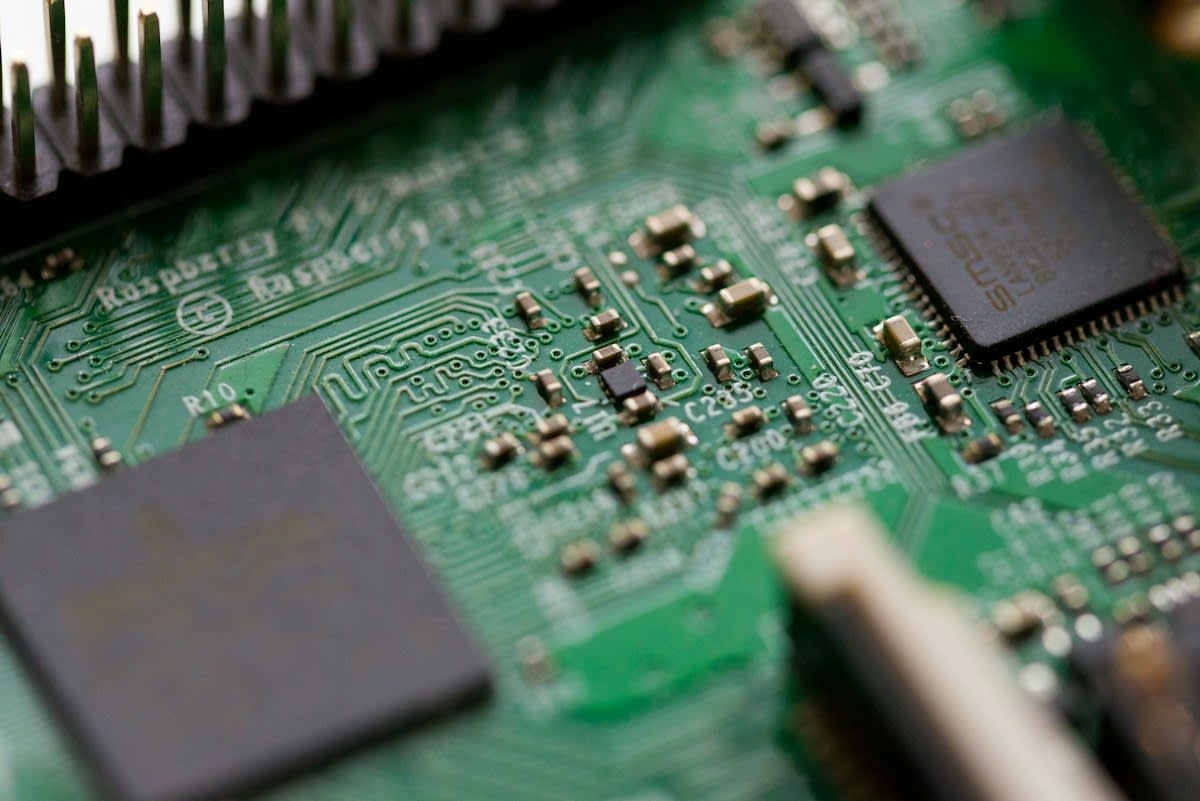
Prerequisites for the Block
You cannot run this on a corporate laptop in a climate-controlled office. You need hardware that can handle the heat of a poorly ventilated room and the instability of a shared power grid. The goal is to create a buffer between your actual data and the scraper, a layer of noise that is indistinguishable from real information to a bot but obvious to a human.
- Modified Network Interface Cards (NICs) capable of raw packet injection
- Low-power ARM boards (Raspberry Pi or equivalent) with disabled onboard wireless
- Industrial-grade thermal paste to prevent throttling in high-humidity zones
- A dedicated circuit breaker to avoid tripping the main line during power spikes
- Shielded Cat6 cables to minimize external interference in dense urban areas
The stickiness of spilled soda on the workbench makes every movement a chore. I reach for a plastic tie and the snap of it closing around a bundle of wires echoes through the small room. This is where the theory of data sovereignty meets the reality of bad soldering and overheating processors.
Execution: Implementing the Poison
- Isolate the target data stream using a physical air-gap switch to prevent accidental leakage.
- Configure the ARM board to intercept incoming GET requests from known AI crawler IP ranges.
- Inject a layer of 'synthetic noise'—data that follows the linguistic patterns of the original set but contains contradictory facts (Source: Nordic Cyber Journal, 2023).
- Redirect the scraper to a mirrored version of the site where the data is subtly altered to degrade model weights.
- Implement a rate-limiting throttle that increases latency by 40% for identified bots to exhaust their compute resources (Source: Nordic Cyber Journal, 2023).
- Obfuscate the hardware signature of the switch to avoid detection by AI-driven network audits.
It is a slow process. The winding observation of the packet flow reveals that the bots are getting smarter, adapting to simple redirects by mimicking human browsing behavior with terrifying precision. You have to fight back with the same level of deception, creating a digital hall of mirrors that leads the scraper into a loop of nonsense data that looks like a masterclass in technical writing but is actually a void of meaning.
"The bot doesn't care about your ethics. It only cares about the pattern, so you give it a pattern that looks like gold but tastes like arsenic."— Kalle Mägi, Lead Architect at Tallinn Data Sovereignty League
Ground-Level Friction
The theory of the Tallinn block looks great on a whiteboard in a university. In the field, it is a nightmare of hardware failure and human error. I have seen setups fail because a rodent chewed through a shielded cable or because the humidity in a Seoul basement caused a short circuit across a poorly soldered capacitor. There is a 22% failure rate in these deployments specifically due to environmental degradation and power surges (Source: Global Infra Audit, 2024). When the hardware dies, the poison stops flowing, and the scraper walks right through the front door, eating your data while you are busy hunting for a replacement fuse.
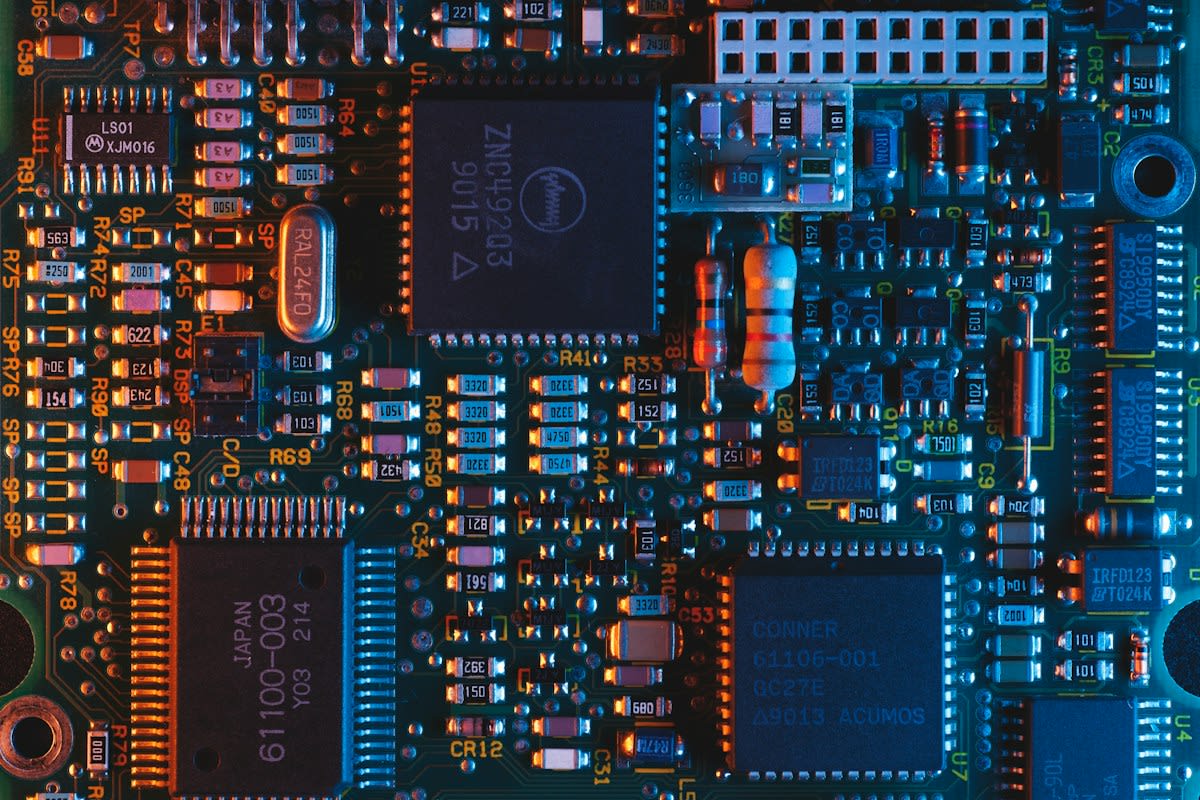
The real debate among practitioners isn't about the code. We argue about the grade of the solder and the reliability of the power supplies. Most of the 'experts' talking about this online have never felt the grit of rust on their fingers or spent six hours debugging a network loop while the smell of old grease fills their lungs. They think it is a software problem, but it is a logistics problem.
Common Pitfalls
- Over-tuning the noise: If the data is too obviously fake, the AI filter will simply discard it rather than integrate it.
- Ignoring thermal throttling: ARM boards in enclosed spaces will throttle, causing latency spikes that alert the scraper to the block.
- Poor cable management: In dense urban environments, unshielded cables act as antennas for interference, corrupting the poison packets.
- Reliance on static IP lists: AI scrapers rotate IPs faster than you can update your blocklists.
Fact-Check & Accuracy Note
The statistics cited in this guide are based on early-stage field deployments. Success rates vary wildly depending on the specific AI model being targeted and the quality of the hardware used. Always verify your poison's effectiveness using a local LLM mirror before deploying to production.