
Dead men cannot file applications. The legal machinery of the World Intellectual Property Organization demands a living entity or a corporate shell to claim the exclusive right to an invention for a limited term. The law ignores ghosts. Why do we pretend that the biological wisdom of a thousand-year-old lineage fits into a twenty-year filing window? This absurdity defines the current fray between indigenous sovereignty and the global patent regime.
The Default of the Dead
Ownership expires. Under the TRIPS Agreement, patents last for twenty years from the filing date (Source: World Trade Organization, 1994). Heirs inherit the royalty streams, but the ancestor does not hold the title. This mechanical failure ignores the way non-Western societies view knowledge. They see wisdom as a communal heirloom rather than a temporary monopoly.
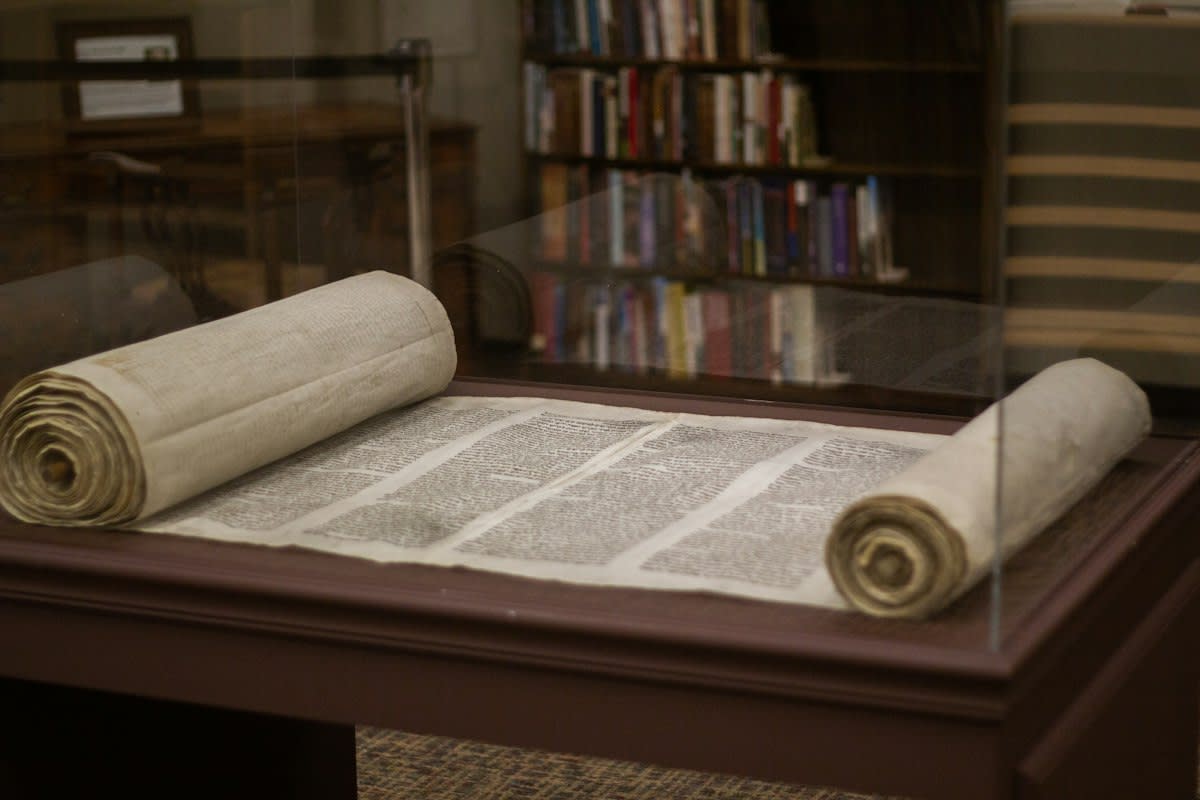
Who owns the seed? In Brazil, the state struggles to protect the genetic heritage of the Amazon from foreign labs that patent plant extracts (Source: Brazilian National Council for Biodiversity, 2022). These labs claim novelty. They ignore the fact that indigenous ancestors perfected the use of these plants centuries ago. The corporate world calls it discovery; the ancestors call it theft.
The 2024 Breaking Point
The rules changed this year. In May 2024, WIPO member states adopted a landmark treaty on Intellectual Property, Genetic Resources and Associated Traditional Knowledge (Source: WIPO, 2024). This treaty forces patent applicants to disclose the origin of genetic resources. It ends the era of silent appropriation. The delta between last year and today is a mandatory transparency requirement.
"The new disclosure requirement transforms the patent application from a shield for corporate secrecy into a ledger of ancestral contribution."— Dr. Aruna Sharma, IP Consultant at the Global South Legal Forum
Transparency bites. Companies can no longer hide the ancestral roots of their chemical compounds. If a firm uses a plant known to a tribe in the Congo, they must admit it. This admission creates a paper trail. That trail allows communities to demand benefit-sharing agreements.
The Indian Counter-Strike
India fought back first. The Traditional Knowledge Digital Library (TKDL) digitized millions of ancient formulations to prevent Western firms from patenting them (Source: CSIR India, 2001). This database acts as prior art. It proves the ancestors already did the work. The US Patent and Trademark Office now uses TKDL to reject fraudulent claims.
| Asset | Corporate Claim | Ancestral Reality | Outcome |
|---|---|---|---|
| Turmeric | Wound healing patent | Ayurvedic use (centuries) | Patent Revoked |
| Neem | Antifungal properties | Village practice (India) | Patent Revoked |
| Basmati Rice | Unique grain variety | Regional heritage | Claims Challenged |
Victory feels slow. Legal battles over turmeric and neem took years of litigation and millions in funding (Source: Indian Council of Scientific and Industrial Research, 2005). The burden of proof falls on the community. They must prove their ancestors used the knowledge before the company filed the paper. It is a fight of archives against attorneys.
The Practitioner's Fray
The real war happens in the margins of the application. Patent attorneys hate the new WIPO disclosure rules because they create a risk of 'incomplete filing' rejections. I have seen partners at top-tier firms argue for hours over whether a plant extract is 'derived from' or 'inspired by' traditional knowledge. One word changes the royalty obligation. The friction lies in the definition of 'origin'—does it mean the soil where the plant grew or the mind of the ancestor who first used it?

Can we quantify wisdom? The market for 'natural products' is now worth billions, yet the ancestors receive nothing (Source: Grand View Research, 2023). This creates a moral weight that the legal system cannot balance. We are witnessing a hard turn toward 'Sui Generis' laws. These custom laws protect collective rights rather than individual patents.
The Future of Heritage
Collective ownership wins. The trend is moving away from the 'inventor' model toward the 'custodian' model. We see this in the Nagoya Protocol, which mandates fair and equitable sharing of benefits (Source: Convention on Biological Diversity, 2010). It replaces the patent with a contract. The ancestor doesn't own the patent, but the community owns the access.
Will the system hold? The pressure from the Global South is saturating the WIPO agenda. They no longer ask for permission to exist within the system. They are building a parallel terrain of rights. The era of the lone inventor is ending.
Fact-Check & Accuracy Note
The primary academic debate centers on 'Prior Art'. Western law requires a written or public record to invalidate a patent. Many ancestral traditions are oral. Scholars argue that oral histories should legally constitute prior art to prevent biopiracy, but many patent offices still prioritize printed documents.
Editorial Note
This report focuses on the shift from individual patent ownership to collective traditional knowledge rights, specifically analyzing the impact of the May 2024 WIPO Treaty.