'Focus on action': Kharge breaks silence on Imran Masood's aggressive SP attack
Source Entity
RAJEEV SINGH
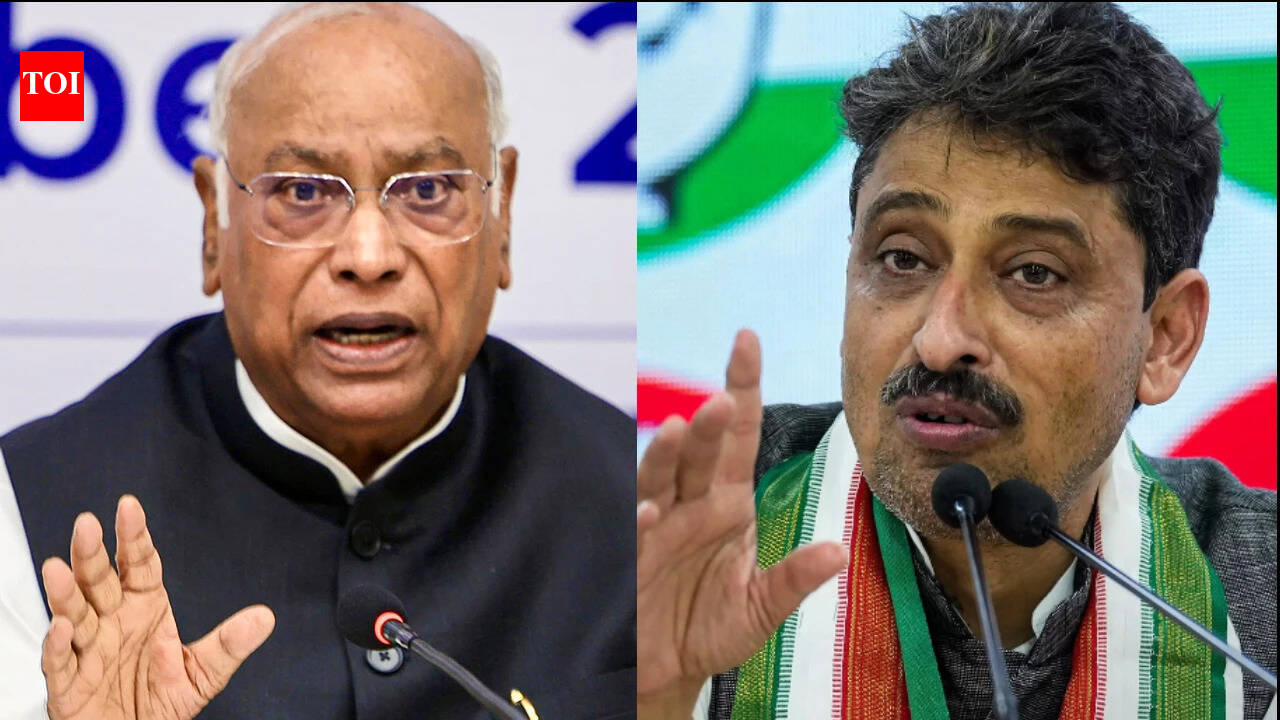
The Samajwadi Party and Congress are engaged in intense negotiations regarding seat-sharing for the 2027 Uttar Pradesh assembly elections. While the Congress has rejected an initial offer of 26 seats, both parties continue to discuss all 403 constituencies to reach a consensus.
The Tug-of-War for Uttar Pradesh: SP-Congress Alliance Dynamics
The political landscape of Uttar Pradesh is currently witnessing a high-stakes negotiation process between the Samajwadi Party (SP) and the Congress as both parties prepare for the 2027 assembly elections. Following a series of marathon discussions in New Delhi, it is clear that while the intent to form an alliance remains, the path to seat-sharing is fraught with significant friction regarding the distribution of constituencies.
The Disparity in Expectations
At the core of the current deadlock is a massive numerical gap between the two parties. The Congress, aiming to revitalize its presence in the state, initially sought a significant share of the 403 available seats, with reports suggesting they requested 130 and later adjusted to a range of 100–120. In stark contrast, the Samajwadi Party presented an opening offer of 26 'winnable' seats. This substantial discrepancy highlights the classic tension in electoral politics between a regional powerhouse seeking to maintain hegemony and a national party attempting to reclaim lost ground.
Strategy and 'Winnability'
Akhilesh Yadav’s call for 'serious talks' signals a strategic shift toward structured negotiation, yet the rejection of the 26-seat proposal by Congress underscores the lack of consensus. The SP's emphasis on 'winnability' suggests they are prioritizing candidates who have a proven track record or strong local influence, whereas the Congress is looking for a larger footprint to justify its role as a key coalition partner. The shift from a rigid numerical debate to a seat-by-seat analysis of all 403 constituencies indicates that both parties are now engaged in a more granular, evidence-based approach to the alliance.
The Complexity of 403 Constituencies
The decision to conduct marathon, seat-by-seat discussions for all 403 assembly seats is an exhaustive process that reflects the gravity of the 2027 polls. By moving beyond initial headlines and into the technicalities of each district, both parties are attempting to mitigate the risk of internal rebellion and ensure that the final agreement minimizes vote-splitting. This level of detail suggests that the leadership is aware that a premature or poorly structured deal could be detrimental to their electoral prospects.
Future Implications and Outlook
While the current atmosphere is characterized by rejection and debate, both sides have expressed confidence that a pact will be finalized in subsequent meetings. The outcome of these negotiations will likely dictate the opposition's strength in Uttar Pradesh. If a consensus is reached, it could create a formidable challenge for incumbents; however, if the negotiations fail to yield a balance that satisfies both parties, it could lead to a fragmented opposition, significantly altering the trajectory of the 2027 elections.
Conclusion
The ongoing dialogue between the Samajwadi Party and Congress represents a critical juncture in state politics. By focusing on mutual accommodation over rigid numbers, the parties are attempting to navigate the complexities of coalition politics. The coming weeks will be decisive as the parties strive to bridge the divide and establish a unified front, ultimately defining the landscape for the next assembly term.
Multiple Citing Sources