‘Could be Yogi Adityanath or someone else’: UP deputy CM Maurya says BJP will pick CM after polls
Source Entity
Latest News: Todays Latest News Headlines from India & World | Hindustan Times
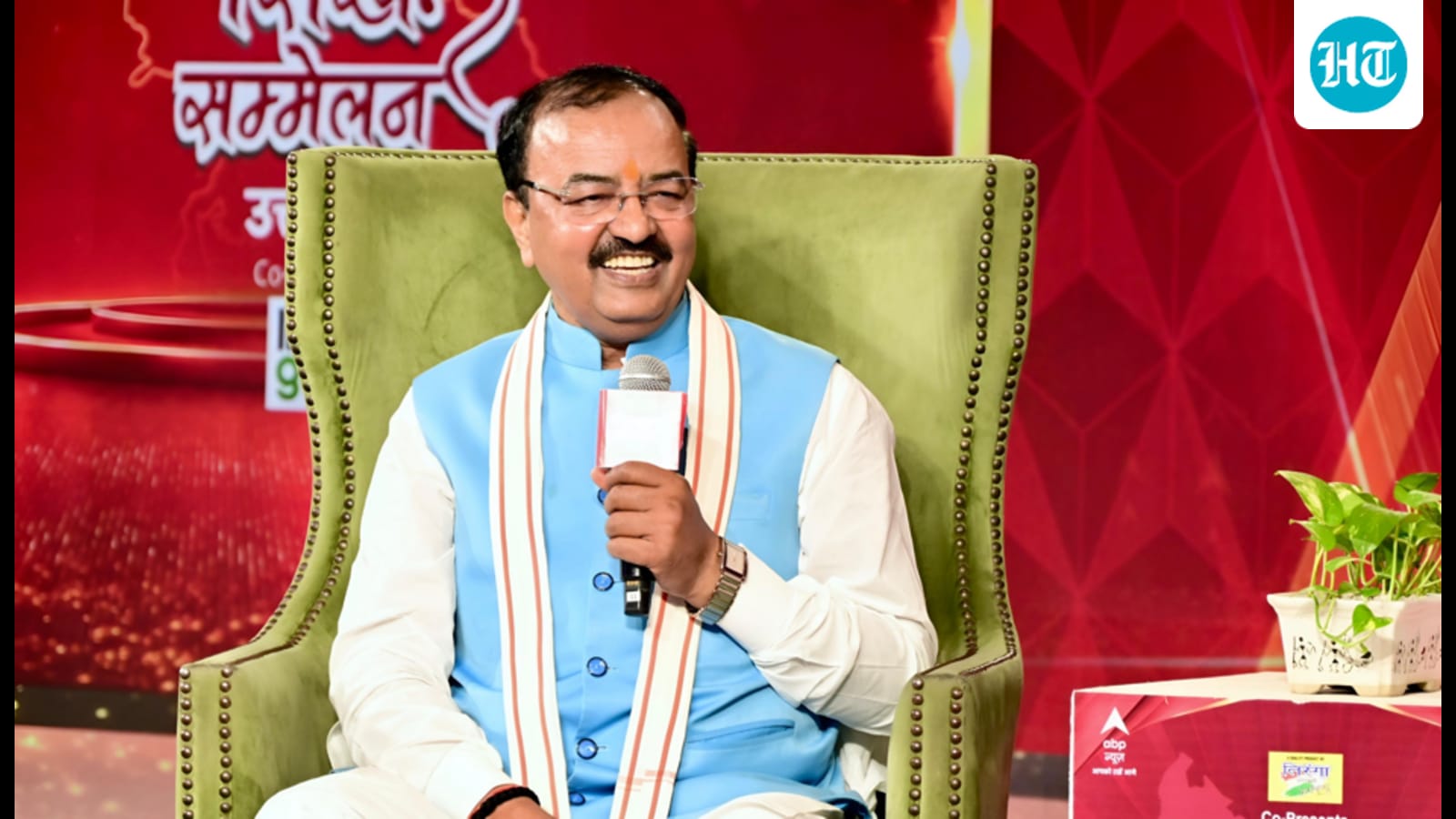
Uttar Pradesh Deputy CM Keshav Prasad Maurya stated that the BJP will determine its chief ministerial candidate for the 2027 assembly elections only after the polls conclude. He emphasized that the party contests elections under the 'lotus' symbol, with the final leadership choice resting on a post-election consensus among elected MLAs.
The Strategy of Consensus: BJP’s Leadership Path for 2027
Recent statements by Uttar Pradesh Deputy Chief Minister Keshav Prasad Maurya have sparked significant political discourse regarding the Bharatiya Janata Party’s (BJP) leadership strategy for the upcoming 2027 Uttar Pradesh assembly elections. Maurya clarified that the party does not deviate from its established practice of focusing on the party symbol—the 'lotus'—during the campaign phase, rather than projecting a specific individual as the face of the government.
The Role of Post-Election Deliberation
According to Maurya, the decision-making process for the chief ministerial position is inherently democratic within the party framework. Once the election concludes and the new batch of legislators is elected, the party initiates a formal process involving central observers and consultations. This mechanism ensures that the final choice for the state's top office is the result of a collective consensus rather than a pre-poll mandate, a strategy the BJP has historically employed across various state elections.
Interpreting the Leadership Ambiguity
When questioned about the future of incumbent Chief Minister Yogi Adityanath, Maurya maintained a position of neutrality. By stating that the next leader could be Adityanath or "someone else," Maurya highlighted that the party’s organizational discipline prioritizes the collective identity over individual tenure. This stance serves as a reminder that within the BJP, the electoral machinery is designed to function independently of singular personalities, emphasizing the party’s institutional resilience.
Historical Precedent and Party Discipline
This approach aligns with the BJP’s long-standing tradition of choosing leadership based on evolving political exigencies and internal parliamentary consensus. By avoiding the announcement of a CM candidate in advance, the party aims to prevent internal friction and maintain focus on the broader electoral goals. The emphasis on the 'lotus' as the primary face of the campaign is a calculated move to ensure that the electoral narrative remains tied to the party's core ideology and governance record rather than individual political careers.
Broader Implications for UP Politics
As Uttar Pradesh remains a critical political battleground, the uncertainty surrounding the leadership post-2027 highlights the high stakes involved. Maurya’s comments reflect a tactical preparation for the future, ensuring that the party remains agile and capable of adapting to the political landscape as it stands post-election. This methodology underscores the BJP's centralized decision-making structure, where central observers play a pivotal role in mediating the transition of power.
Conclusion
Ultimately, the statements from the Deputy Chief Minister reinforce the notion that the BJP’s strategy for 2027 is rooted in procedural consistency. By deferring the selection of the Chief Minister until after the electoral mandate is secured, the party preserves its flexibility and reinforces the authority of its central leadership. Whether Yogi Adityanath continues his term or a new leader is appointed, the process remains strictly governed by the party's internal consensus-building protocols.
Verification Required?