Sringeri recount row: Karnataka High Court scraps FIR against BJP leader
Source Entity
Mustafa Plumber
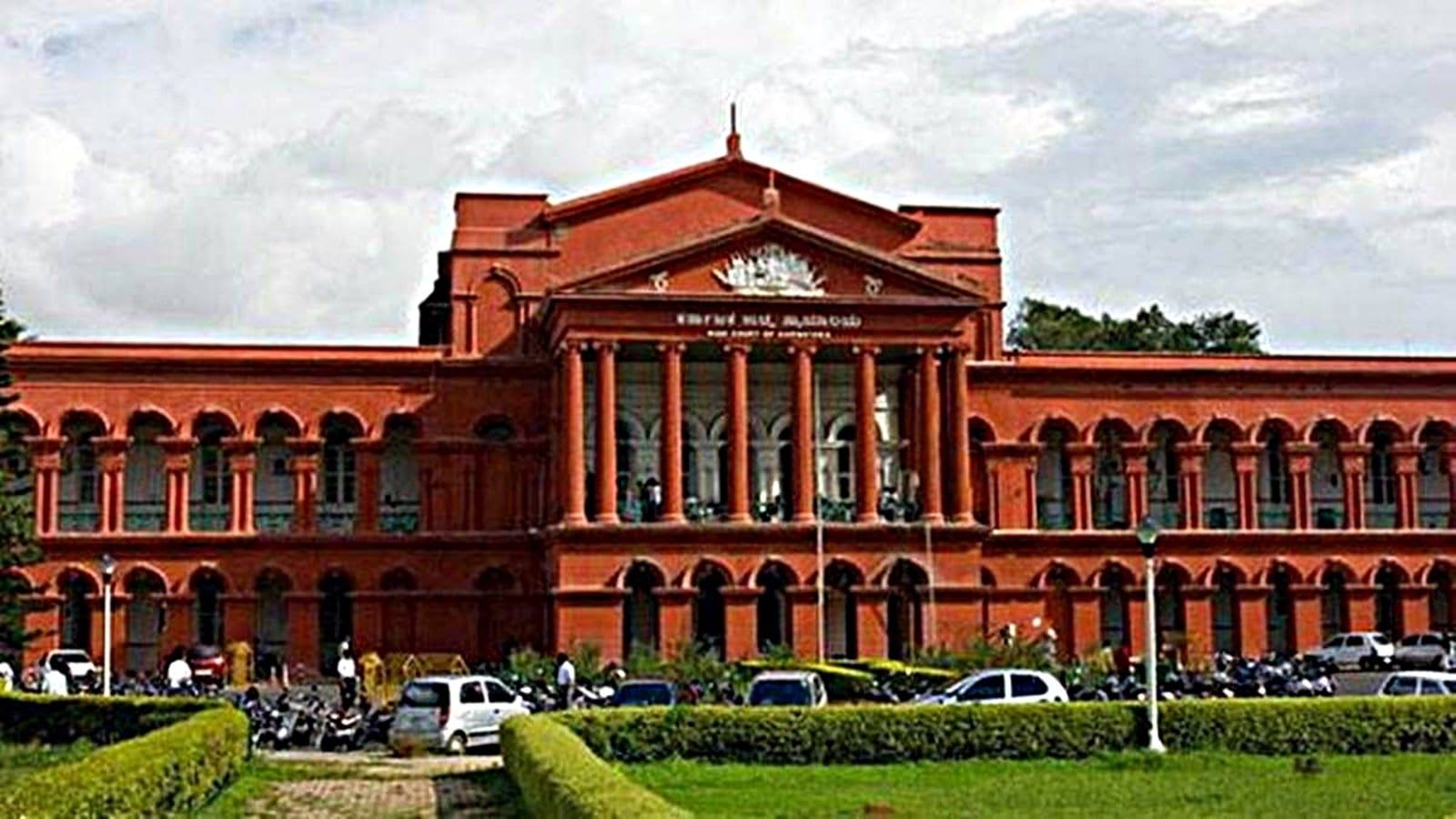
The Karnataka High Court has quashed an FIR against BJP leader D N Jeevaraj and two election officials regarding alleged ballot tampering in Sringeri. Justice M Nagaprasanna ruled that continuing the investigation would constitute an abuse of the legal process.
Legal Relief for BJP Leader in Sringeri Recount Case
The Karnataka High Court has delivered a significant verdict regarding the 2023 Assembly election dispute in the Sringeri constituency. In an order dated November 21, Justice M Nagaprasanna quashed the First Information Report (FIR) filed against Bharatiya Janata Party (BJP) leader D N Jeevaraj, former deputy commissioner K N Ramesh, and former returning officer Vedamurthy. The trio had faced serious allegations involving forgery and criminal conspiracy related to the recounting process conducted on May 2, 2023.
Understanding the Allegations and Judicial Intervention
The controversy originated from the 2023 Karnataka Assembly elections, where the integrity of the ballot recounting process in Sringeri was challenged. The accused had approached the High Court to seek the quashing of the criminal proceedings, arguing that the charges were unfounded. Justice Nagaprasanna, in his detailed order, observed that allowing the investigation to persist would amount to an "abuse of the process of law" and lead to a "miscarriage of justice," effectively providing legal exoneration for the petitioners.
The Legal Threshold of Abuse of Process
In the Indian judicial system, the power to quash an FIR is exercised under Section 482 of the Code of Criminal Procedure (CrPC). The court’s decision to intervene suggests that, in the view of the judiciary, the evidence presented by the prosecution did not meet the threshold required to sustain charges of forgery or conspiracy. By characterizing the investigation as an abuse of process, the court has signaled that the legal system must not be utilized as a tool for political intimidation or to undermine the finality of election procedures without substantial evidence.
Broader Implications for Election Integrity
This ruling highlights the delicate balance between maintaining electoral transparency and protecting public officials from potentially malicious litigation. The Sringeri constituency has long been a focal point of intense political rivalry, and the aftermath of the 2023 election brought the administrative role of election officials under scrutiny. The court's decision serves to protect the independence of returning officers and administrators who must perform their duties under high-pressure scenarios, ensuring they are not unfairly targeted by criminal proceedings following high-stakes political contests.
Historical Context and Future Trends
Election petitions and subsequent criminal complaints have become increasingly common in Indian politics as margins of victory grow thinner. This case underscores a trend where political parties are more inclined to utilize the judiciary to challenge the operational conduct of elections. However, the High Court’s intervention serves as a precedent that such allegations must be backed by concrete evidence rather than mere suspicion. Looking forward, this ruling may discourage the filing of speculative FIRs against political opponents and election staff, fostering a more stable environment for electoral administration in Karnataka.