
The prevailing narrative suggests that modern engineering is the pinnacle of water management. We build massive concrete dams and rely on energy-intensive desalination, convinced that we have conquered the elements. But is this actually progress, or just a sophisticated form of fragility? When we look at the ruins of ancient civilizations, we often see failure—collapsed cities and dried-up reservoirs. However, a contrarian view reveals that these societies didn't just manage water; they integrated it into the very fabric of their social and political existence. They didn't fight the landscape; they choreographed it.
Consider the Aztec chinampas. These weren't merely floating gardens; they were an expression of the hydraulic hypothesis, where the state maintained power and control through the strategic manipulation of water resources (Source: Wikipedia, 2026). The expansion of these systems was not an accidental byproduct of farming but a state-led operation designed to increase agricultural production and solidify imperial expansion. This is a systemic shift: water was not a utility to be delivered, but a tool of geopolitical leverage and food security.
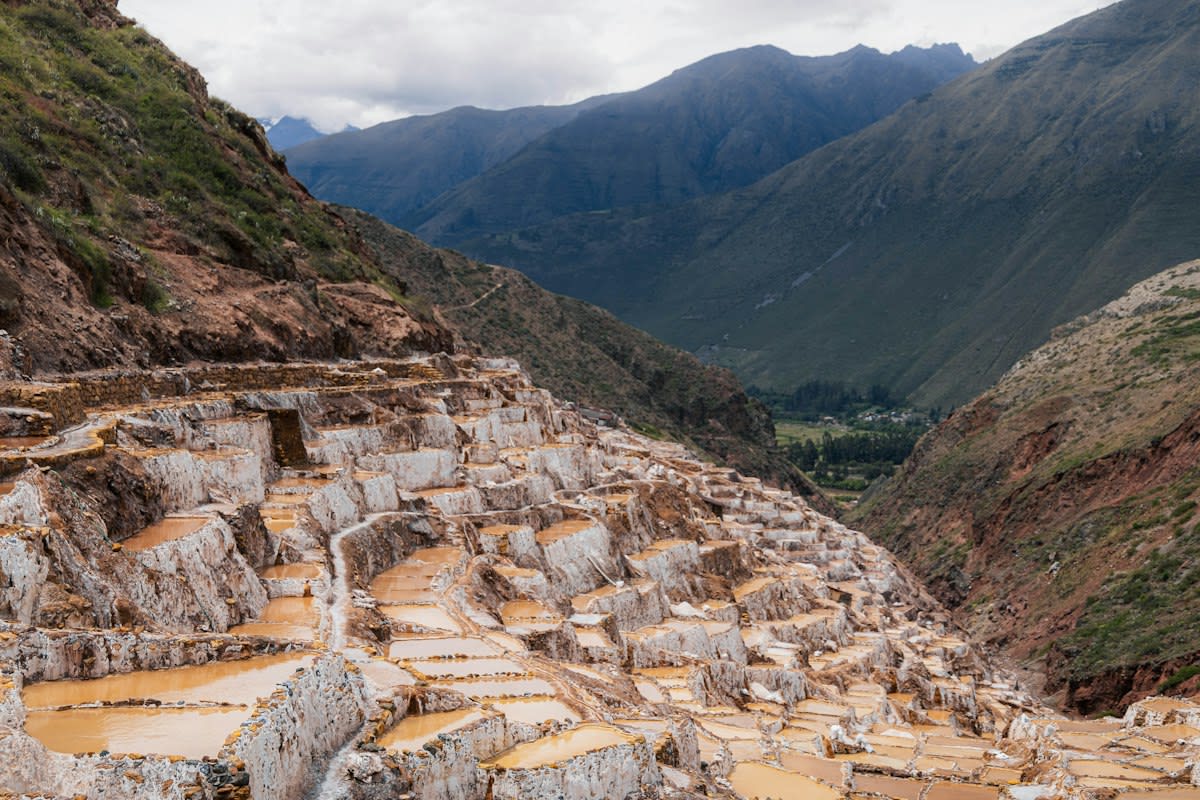
The Fallacy of Static Infrastructure
Modern urbanists suffer from a fixation on static infrastructure. We build a pipe, we pave a road, and we expect it to remain unchanged for fifty years. Ancient systems, conversely, were adaptive. In the lower reaches of the Huai River in eastern China, historical floodplains were shaped by a constant interaction between hydrological fluctuations and local livelihoods (Source: ICOMOSGA2026, 2026). The resilience of these systems lay in their ability to evolve alongside the river, rather than attempting to freeze the river in place.
"Living hydraulic heritage should not be conserved merely as historical infrastructure or developed simply as a tourism attraction. Its resilience value lies in the ongoing relationship between water facilities, ecological processes, local knowledge, and community life."— Key Laboratory of Urban and Architectural Heritage Conservation, Ministry of Education (Southeast University), Nanjing, China
This shift from 'infrastructure' to 'living heritage' is critical. When we treat a water system as a museum piece, we strip it of its utility. When we treat it as a mere utility, we strip it of its ecological context. The Huai River example demonstrates that the true value of hydraulic heritage is its capacity to serve as a medium through which communities negotiate continuity and change (Source: ICOMOSGA2026, 2026). Why has this perspective vanished from our modern city councils?
From a practitioner's perspective, the friction usually occurs at the intersection of conservation and functionality. I have seen this debate play out in countless urban planning meetings: one side wants to preserve the 'aesthetic' of an ancient canal, while the other wants to replace it with a concrete storm drain for 'efficiency.' The insider's secret is that the 'inefficient' ancient system often handles extreme weather events better because it utilizes natural overflow zones rather than relying on a single point of failure. The internal debate isn't about engineering—it's about the fear of relinquishing control to natural processes.
| Feature | Modern Urban Paradigm | Living Hydraulic Paradigm |
|---|---|---|
| Primary Goal | Control and Extraction | Adaptive Integration |
| Infrastructure Nature | Static/Rigid (Concrete) | Dynamic/Evolving (Ecological) |
| Role of Community | Passive Consumer | Active Negotiator |
| Failure Mode | Catastrophic Collapse | Incremental Adjustment |
| Key Driver | Economic Efficiency | Collective Resilience |
The Aztec experience further illustrates the link between water and political stability. The conquest of southern basin city-states, such as Xochimilco, was a calculated move to control the freshwater resources and the chinampa production systems (Source: Wikipedia, 2026). This wasn't just about food; it was about the systemic control of the basin's hydrology. By dominating the water, the Triple Alliance dominated the region's survival.
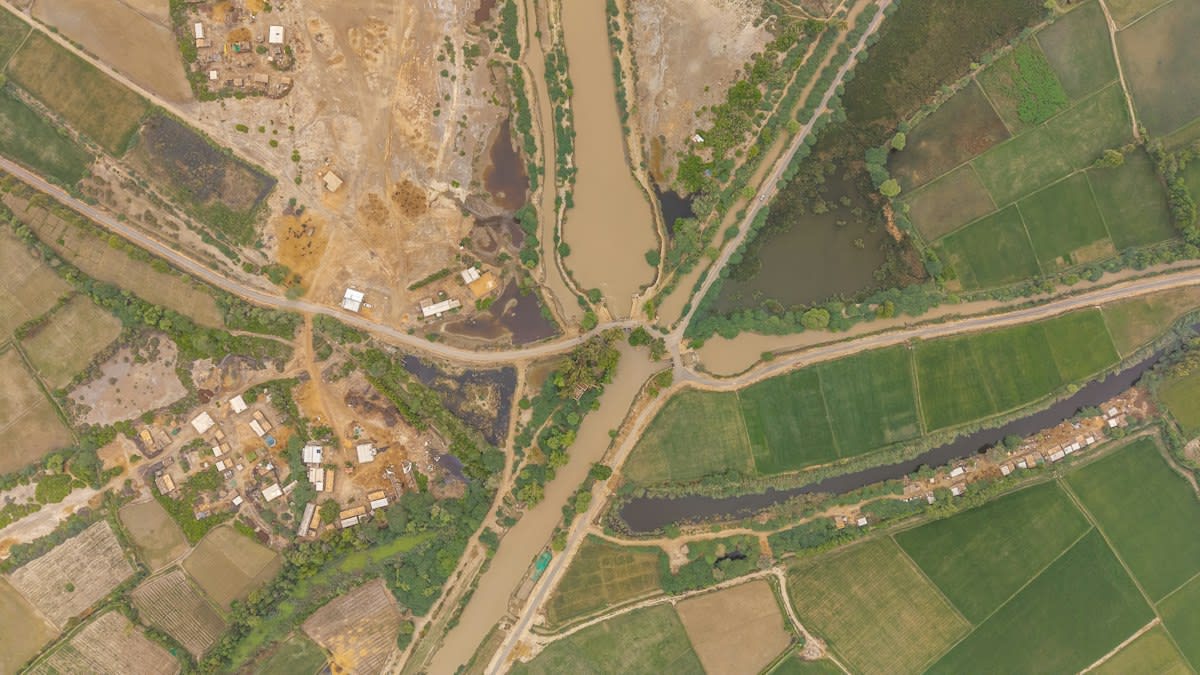
Redefining the Scope of Heritage
If we are to learn from these systems, we must expand our definition of water heritage. For too long, the focus has been exclusively on 'hydraulic engineering'—the dams, the aqueducts, the cisterns. But as research into the Huai River suggests, we must include agricultural heritage, settlement landscapes, and natural elements in our analysis (Source: ICOMOSGA2026, 2026). A cistern is useless without the catchment area that feeds it and the social organization that manages its distribution.
This holistic approach challenges the traditional paradigm of urban planning. Instead of seeing a city as a collection of separate systems—water, transport, housing—we should see it as a single, metabolic entity. The Aztec chinampas are a perfect example of this: they were simultaneously a farm, a transport network, and a waste management system. They didn't just produce food; they filtered water and provided habitat.
- Integration of production modes and daily life into the water cycle (Source: ICOMOSGA2026, 2026).
- State-led expansion of hydraulic systems to ensure regional stability (Source: Wikipedia, 2026).
- Utilization of floodplains as dynamic zones of interaction rather than areas to be drained (Source: ICOMOSGA2026, 2026).
- Movement away from tourism-centric preservation toward functional, community-based resilience (Source: ICOMOSGA2026, 2026).
Can we apply these ancient lessons to a world of eight billion people? The scale is different, but the systemic principle remains. The transition from a 'control' mindset to an 'adaptation' mindset is the only way to ensure long-term urban survival. We don't need more concrete; we need more intelligence in how we interact with the water that already exists in our landscapes.
Fact-Check & Accuracy Note
The claims regarding the 'hydraulic hypothesis' and Aztec state-led chinampa expansion are sourced from Wikipedia (2026). The analysis of living hydraulic heritage and the Huai River case study is sourced from the ICOMOSGA2026 Abstract Book. There is an ongoing academic debate regarding the extent to which hydraulic control drove the formation of early empires versus whether it was a response to existing population pressures.
Ultimately, the genius of these ancient cities lay in their humility. They recognized that water is the primary architect of the landscape. By aligning their social structures and agricultural practices with hydrological realities, they created systems that lasted for centuries. Modern metropolises, by contrast, often build in defiance of the landscape, creating a tension that eventually breaks. The path forward is not to return to the past, but to reintegrate the systemic wisdom of the past into our future.