Licence to flail: Deepanjana Pal on the outstanding streaming series Slow Horses
Source Entity
Latest News: Todays Latest News Headlines from India & World | Hindustan Times | Hindustan Times
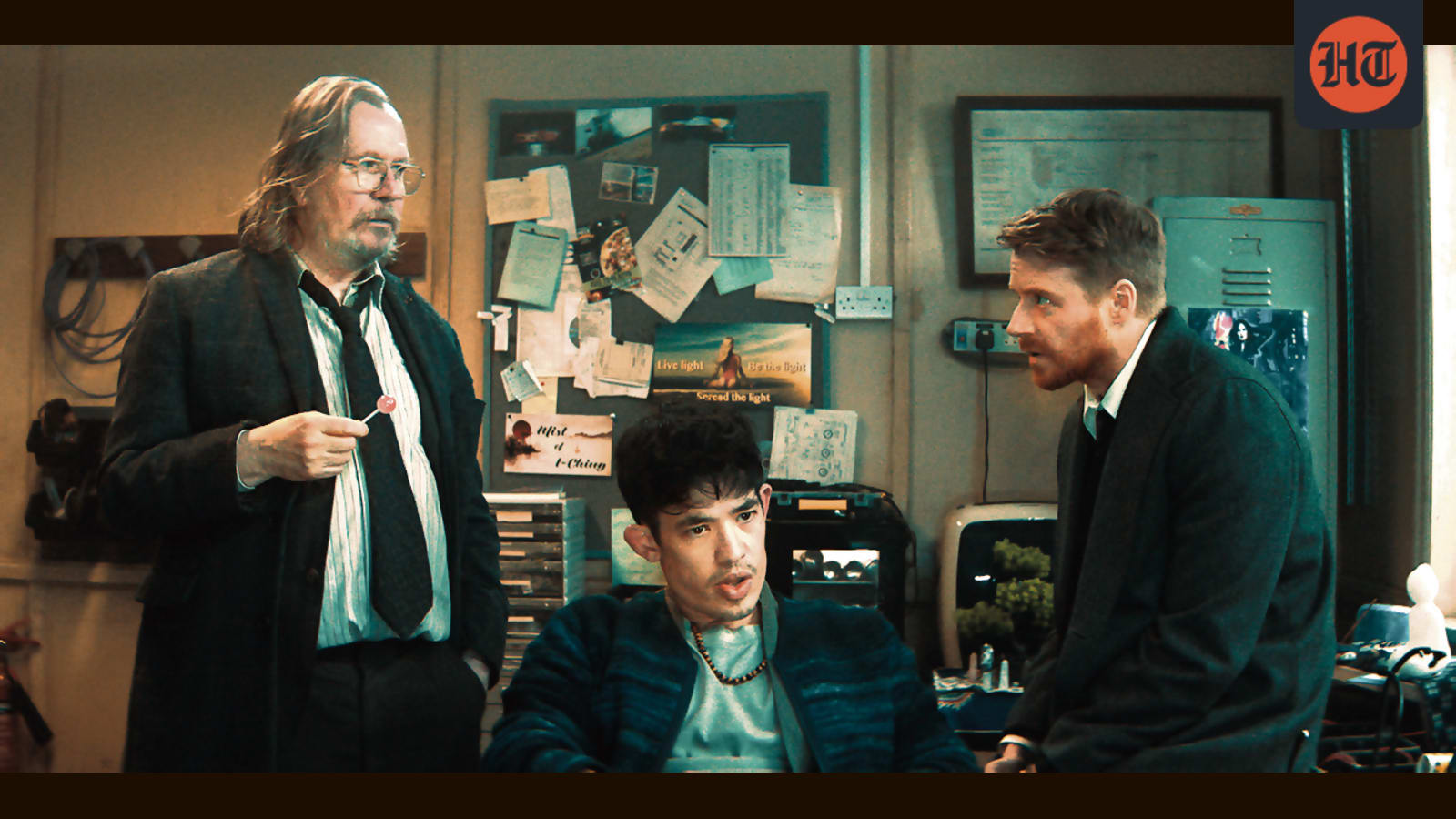
The streaming series Slow Horses subverts traditional spy tropes by focusing on a team of disgraced MI5 agents. Led by the unconventional Jackson Lamb, the show explores human imperfection through brilliant writing and stellar performances.
The Anti-Heroic Evolution of the Espionage Genre
In an era dominated by high-octane spy thrillers and idealized secret agents, Slow Horses—which debuted in 2022—has carved a unique niche by fundamentally subverting the tropes of the genre. The series, which has successfully run for six seasons, eschews the polished, tuxedo-wearing protagonists of traditional spy fiction in favor of the "Slow Horses," a group of disgraced MI5 agents exiled to Slough House. This premise serves as a brilliant narrative engine, allowing the show to explore failure, redemption, and the messy reality of intelligence work rather than focusing solely on geopolitical heroism.
Characterization as a Subversion of Tropes
At the center of this dysfunction is Jackson Lamb, portrayed with gritty, repulsive brilliance by Gary Oldman. Lamb represents the antithesis of the James Bond archetype; he is unhygienic, perpetually intoxicated, and abrasive. His character serves as a commentary on the cynicism inherent in long-term field work. By grounding the show in such a deeply flawed protagonist, the series forces the audience to engage with the psychological toll of espionage, moving away from the glamour of the trade to focus on the human cost of government service.
The Anatomy of a Disgraced Team
Beyond Lamb, the ensemble cast represents a cross-section of professional failure and personal trauma. River Cartwright, played by Jack Lowden, embodies the frustration of a capable agent haunted by catastrophic errors. Meanwhile, characters like the tech-obsessed Roddy Ho and the deeply troubled JK Coe highlight the varying ways individuals internalize the pressures of the intelligence community. The depiction of Coe, in particular, offers a nuanced look at the reality of post-traumatic stress disorder, grounding the show’s high-stakes plots in tangible, human suffering.
Exceptional Writing and Narrative Longevity
The longevity of Slow Horses over six seasons is a testament to the strength of its writing. Maintaining a narrative that is both "impeccable" and consistently engaging requires a delicate balance between cynicism and genuine character development. The show succeeds by ensuring that while its characters are "slow horses"—outcasts relegated to administrative purgatory—they remain vital participants in a world that would prefer they disappear. This tension between their incompetence and their necessity is what drives the series' enduring appeal.
Broader Implications and Future Trends
The success of Slow Horses suggests a shifting appetite in the streaming landscape toward "gritty realism" and deeply flawed protagonists. Audiences are increasingly drawn to narratives that challenge the status quo and provide a more cynical, yet perhaps more honest, reflection of institutional life. As the series continues, it sets a high bar for future espionage dramas, proving that prestige television does not need to rely on heroes to tell a compelling, high-stakes story. By focusing on the "falters" rather than the "wins," the series secures its place as a landmark in modern streaming television.
Verification Required?