The Myth of the Lost Cafe
The prevailing narrative on loneliness usually focuses on the digital void or the decline of the neighborhood pub. This is a superficial reading. The real crisis is spatial. We are witnessing a systemic erasure of the Third Place—those essential anchors of community life that exist between the home (first place) and the workplace (second place). When we lose these spaces, we don't just lose a place to buy a latte; we lose the physical infrastructure of social trust. Why do we accept a world where the only options are private consumption or domestic isolation?
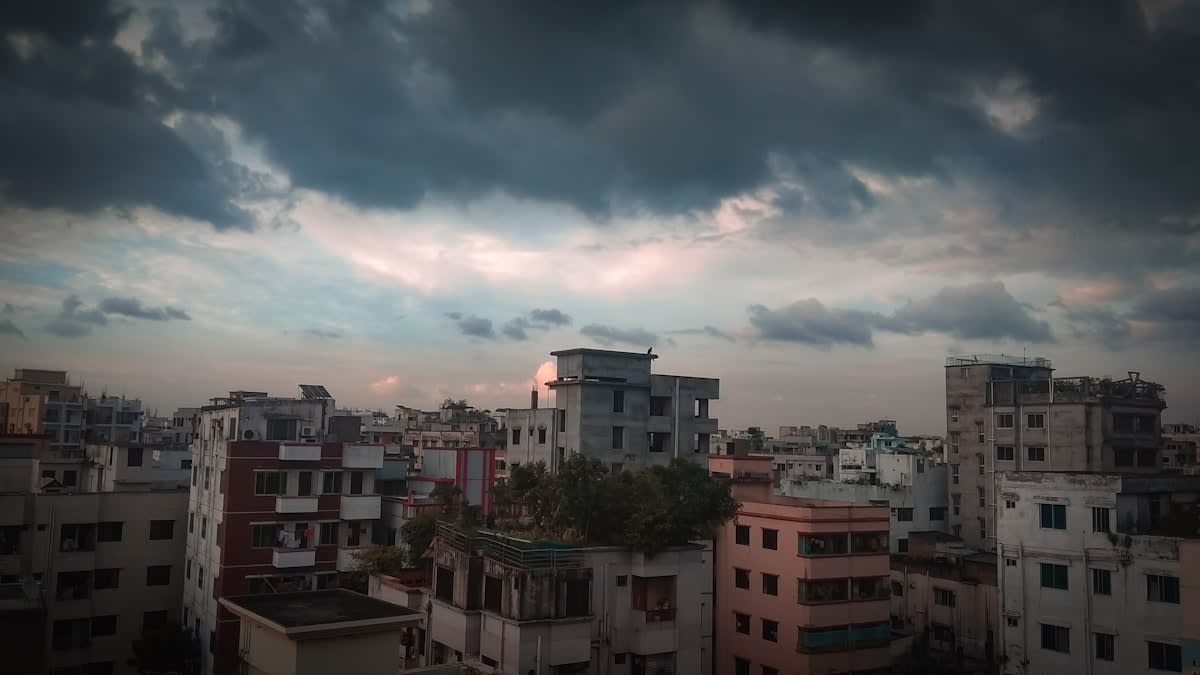
Consider the visceral reality in Dhaka. Imagine a student stepping out of an exhausting three-hour midterm exam at exactly 4:00 PM. The physiological need for a decompression chamber—a room to breathe—is immediate. Yet, in many hyper-dense urban centers, these vanishing third spaces leave individuals with nowhere to go but back into the grind or the isolation of their rooms. This isn't an accident of growth; it is a failure of architectural imagination that prioritizes throughput over presence.
The Anatomy of the Dead Zone
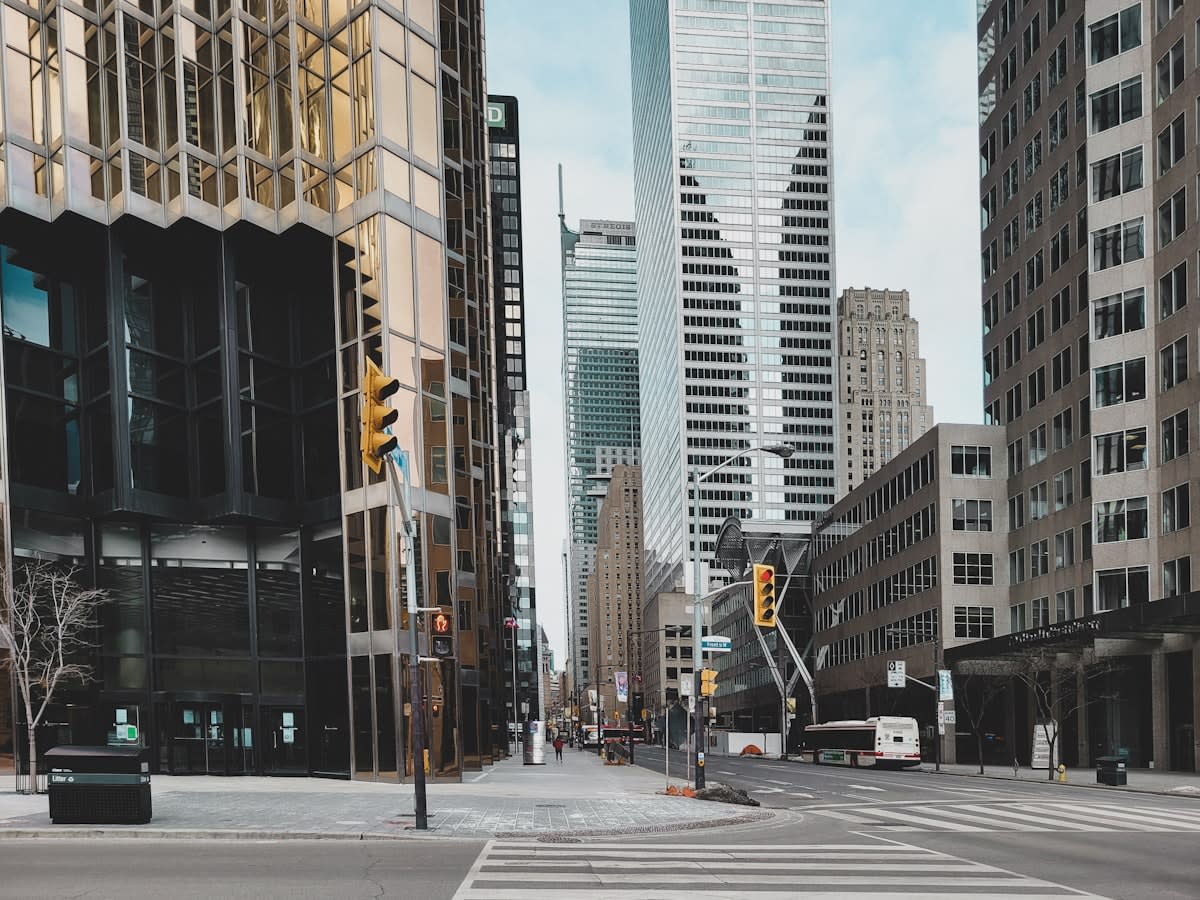
To understand the death of the third place, we must look at the rise of the urban dead zone. These are not merely empty lots; they are neglected or poorly designed areas that actively repel human interaction. According to research from ORF Online, these zones are the direct result of rigid zoning laws and car-centric infrastructure. When a city is designed around the movement of vehicles rather than the lingering of people, the result is a landscape of blank architectural walls and expansive parking lots that act as social barriers.
These dead zones do more than just look bleak; they disrupt the very connectivity of the city. They create a psychological sense of insecurity, making pedestrians feel exposed and unwelcome. When the physical environment signals that you are not meant to stop, you stop interacting. The systemic shift toward car-dominance has effectively outsourced our social lives to private interiors, leaving the public realm as a transit corridor rather than a community hub.
| Design Element | Urban Dead Zone | Co-created Public Space |
|---|---|---|
| Infrastructure | Car-centric, blank walls, rigid zoning | Pedestrian-focused, wayfinding design |
| Social Impact | Disrupted connectivity, feels unsafe | Enhanced trust, social cohesion |
| Planning Logic | Top-down, bureaucratic mandates | Indigenous knowledge, community co-creation |
| Psychological Effect | Isolation and transit-only mindset | Belonging and emotional decompression |
The transition from a dead zone to a living space requires more than just planting a few trees. It requires a fundamental pivot in how we perceive the purpose of urban land. If we continue to treat public space as a leftover between commercial developments, we will continue to engineer loneliness into our city grids.
Climate Inequity as a Social Wedge
The erosion of third places is not felt equally. In the Global South, the intersection of poor urban planning and climate change creates a compounding crisis of isolation. The United Nations Development Programme (UNDP) has highlighted that as climate impacts escalate, they aggravate existing cycles of inequality. Marginalized communities, who already lack access to quality public spaces, are the least equipped to cope with environmental stressors, further deepening the health and social inequities between and within countries.
When a city lacks co-created public spaces, it loses its best tool for disaster resilience. Thoughtfully designed spaces can disseminate early-warning information and revive indigenous ecological knowledge, which is critical during climate-related emergencies. In informal settlements and high-density neighborhoods, these spaces are not luxuries; they are the primary conduits for last-mile communication and mutual aid. Without them, the vulnerable are not just physically exposed—they are socially stranded.
"As the impacts of climate change escalate, they can perpetuate or even aggravate cycles of inequality, deepening health and social inequities within and between countries."— United Nations Development Programme (UNDP)
Can we view the climate crisis not just as a threat, but as a catalyst for redesigning the third place? By embedding social cohesion into disaster-risk frameworks, cities can transform dead zones into lifelines. The goal is to move beyond the aesthetic of the park and toward the utility of the sanctuary.
Engineering the Solution: One Health
The solution lies in a paradigm shift toward Health Equity Engineering and the One Health principle. This approach recognizes that human health is inextricably linked to the health of the environment and the animals we share it with. Instead of treating urban planning as a matter of zoning and traffic flow, modern engineering training is beginning to integrate these holistic principles to build infrastructure that fosters both climate stability and population health.
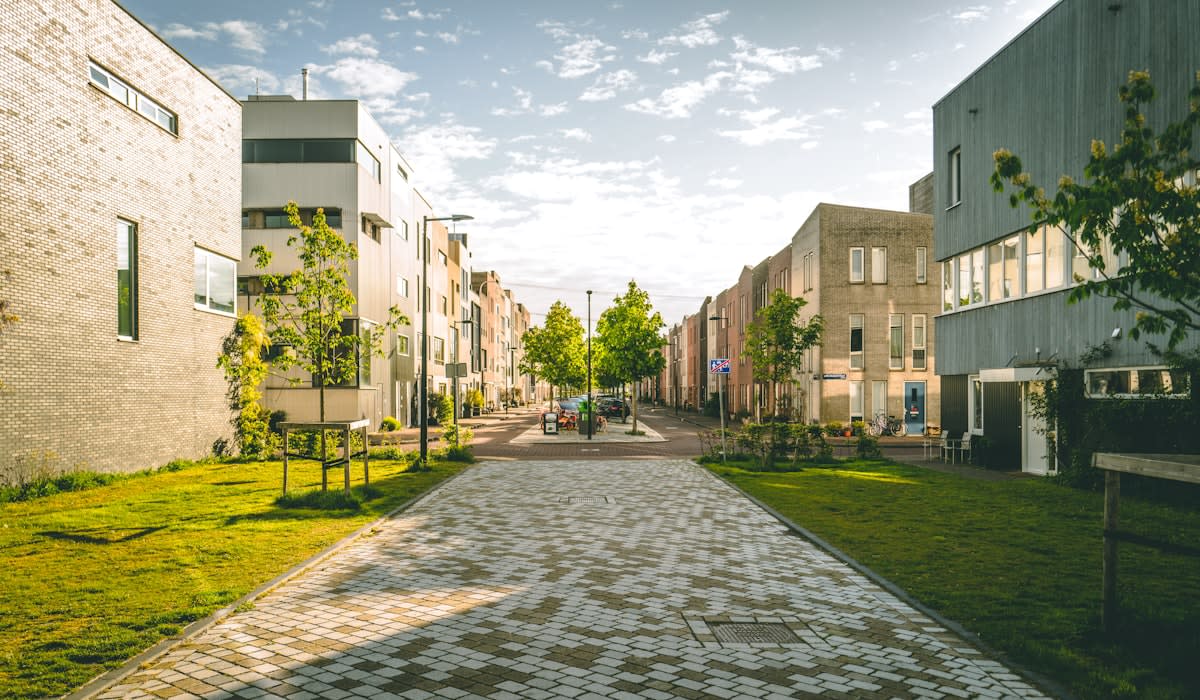
This is where the contrarian opportunity exists. We can stop trying to rebuild the 20th-century town square and instead engineer spaces that serve multiple systemic functions. A co-created public space can simultaneously act as a flood mitigation zone, a heat-island reducer, and a social hub for a community that has been systematically isolated. This is the essence of Health Equity Engineering: designing for the most vulnerable to ensure the resilience of the whole.
The Strategic Pivot
The shift is moving from 'zoning for function' (where we sleep, where we work) to 'zoning for wellness' (where we connect, where we breathe).
Ultimately, the architecture of loneliness is a choice. We have chosen car-centricity over connectivity and rigid boundaries over fluid, co-created spaces. However, the emergence of One Health principles suggests a path forward. By treating the Third Place as a critical piece of health infrastructure, we can move from a society of isolated units to a network of resilient communities.
The death of the traditional Third Place is not the end of human connection; it is the beginning of a necessary redesign. Whether it is a student in Dhaka seeking a moment of peace after a three-hour exam or a marginalized community in the Global South facing a climate emergency, the need remains the same: a physical space that affirms their right to exist and connect.