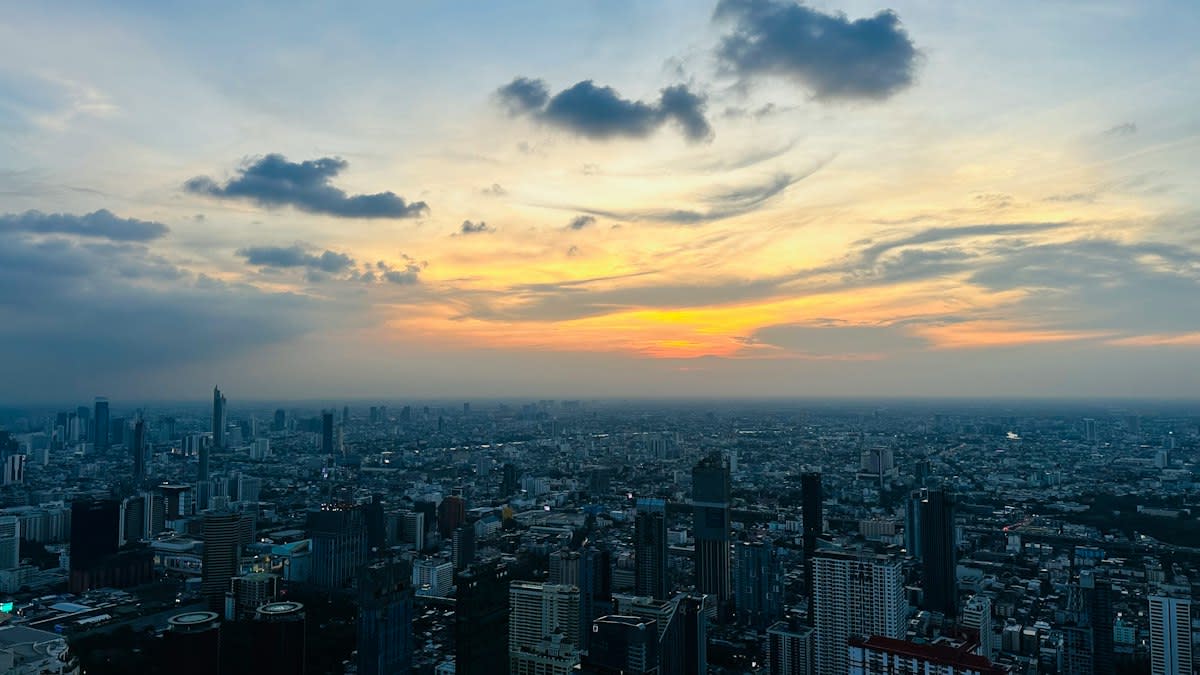
Bangkok is too hot. While the city continues to build towering glass monoliths that trap heat, a small group of developers is now treating rooftops as active lungs. The trend is real. By replacing concrete slabs with carbon-sequestering flora, these buildings reduce the heat island effect while cleaning the air for millions of residents. This changes everything.
Money drives this. When the Bangkok Metropolitan Administration introduced the Green Bangkok 2030 goal, they targeted 200 square meters of green space per person (Source: BMA Green Bangkok 2030, 2021). The gap is huge. Currently, the city falls short of this target by nearly 60 percent in the central business district where land is prohibitively expensive. Roofs are the answer.
The Delta: From Ornament to Utility
Utility is the key. Twelve months ago, rooftop gardens were mostly luxury amenities for high-end hotels to attract wealthy tourists with a view. Now, they are tools. Developers now select plants based on carbon capture rates rather than just visual appeal to meet new corporate sustainability targets. The motive shifted.
Singapore leads the way. The city-state uses the Skyrise Greenery Incentive Scheme to pay for up to 50 percent of installation costs for green roofs (Source: National Parks Board Singapore, 2022). Bangkok lacks this. Without direct subsidies, Thai developers must rely on energy savings from reduced air conditioning costs to justify the initial capital spend. The cost remains high.
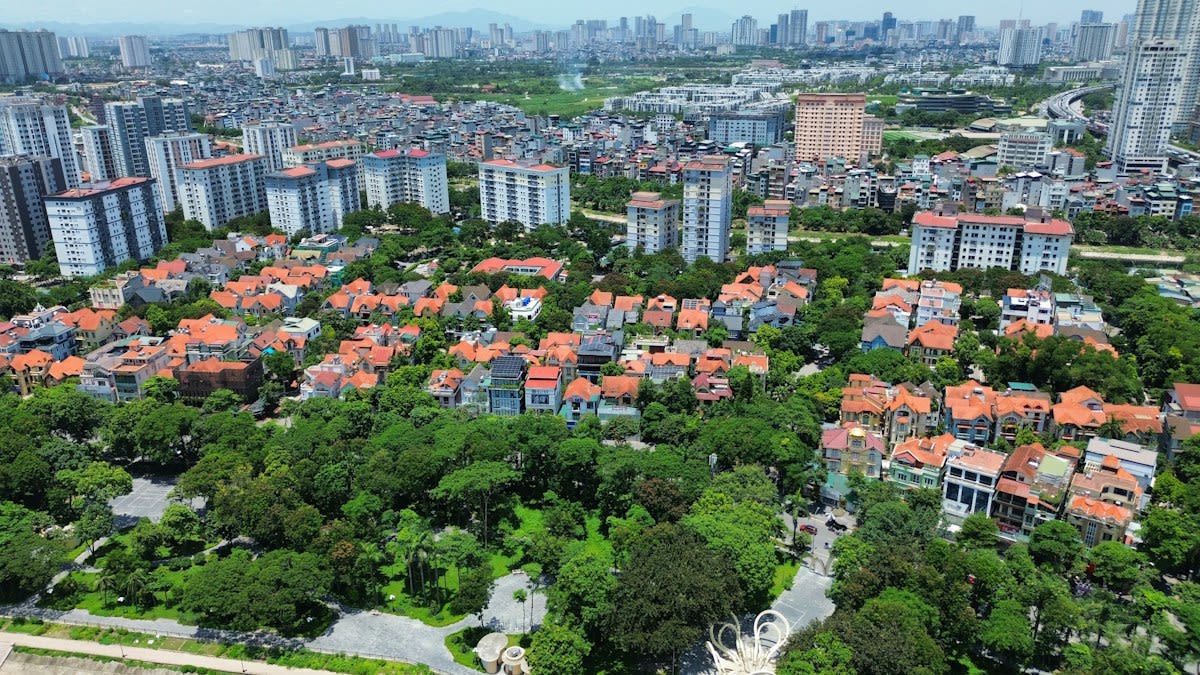
"The vertical expansion of greenery is the only way to offset the heat island effect in a city where ground space is non-existent."— Dr. Somchai, Urban Forestry Expert at Chulalongkorn University
Engineers hate this. In the design phase, a constant clash erupts between the architects who want lush forests and the structural engineers who fear the weight. The load is heavy. When a roof is designed for a light gravel layer but ends up with two feet of wet soil, the risk of structural failure spikes. This creates a deadlock. Many projects are stripped of their greenery before they even break ground because the cost of reinforcing the concrete is too high.
The Carbon Math
Plants are not equal. Certain tropical species, such as the Ficus benjamina, can sequester significantly more carbon than simple ornamental grasses (Source: Asian Urban Forestry Journal, 2022). Choice matters here. When planners prioritize native species over imported aesthetics, the carbon sink becomes more efficient and requires less chemical fertilizer. Nature wins out.
| Plant Species | Carbon Capture (kg/sqm/yr) | Water Requirement | Maintenance Level |
|---|---|---|---|
| Ficus benjamina | 2.5 | Moderate | Medium |
| Tropical Ferns | 1.1 | High | High |
| Native Sedums | 0.8 | Low | Low |
| Bamboo (Dwarf) | 3.2 | High | Medium |
Heat is the enemy. Green roofs can lower surface temperatures by as much as 15 degrees Celsius during the peak of the dry season (Source: World Bank Urban Climate Report, 2023). This saves power. By reducing the need for heavy air conditioning in the top floors, building managers see an immediate drop in monthly utility bills. The profit is clear.
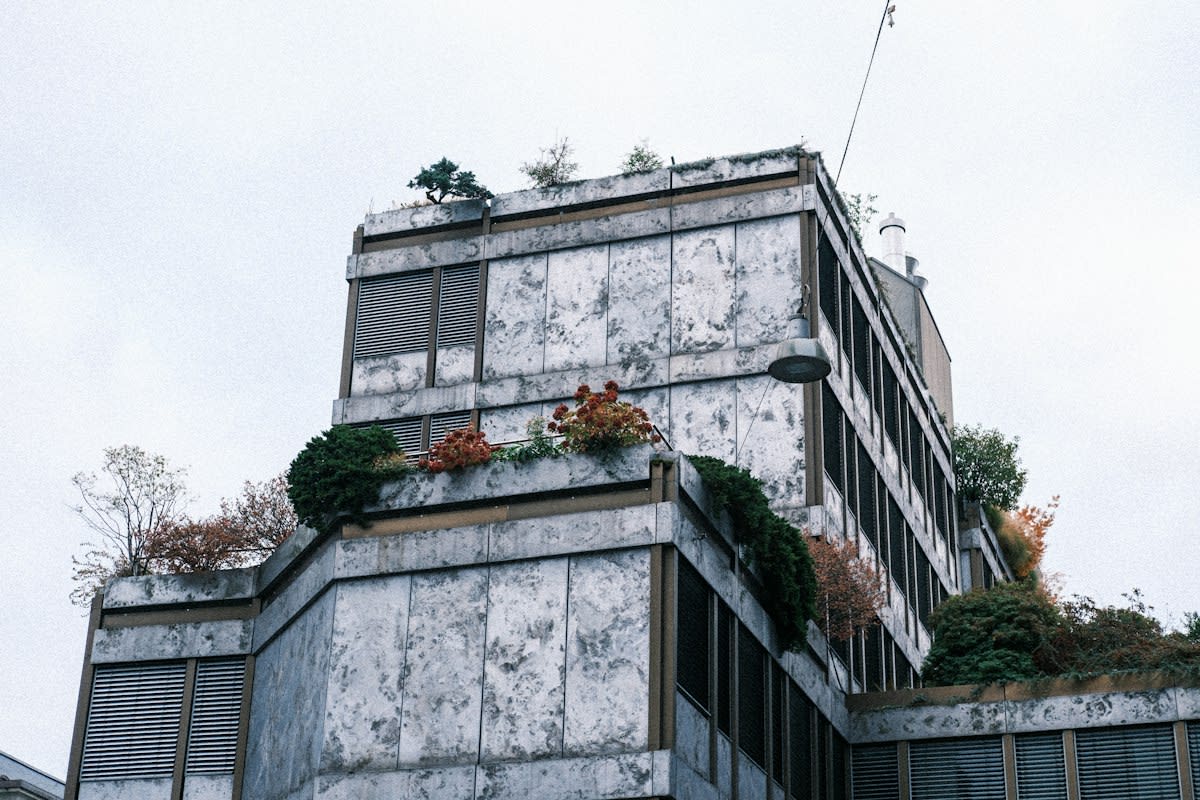
Water is a risk. When building managers see a single damp spot on a ceiling, they immediately blame the rooftop garden for causing a structural leak. The panic is instant. Because most Bangkok buildings were not built with high-grade waterproofing membranes, the introduction of soil and water creates a high risk of seepage. This leads to conflict. Management often orders the removal of the plants the moment a leak appears, regardless of whether the garden was the actual cause.
Laws are the barrier. Current zoning laws in Bangkok do not explicitly count rooftop greenery toward the required open space ratios for new developments. This is a mistake. If the government allowed these gardens to count as official green space, developers would install them in every single project. The rules are old.
"We are seeing a hard turn in how the BMA views the sky; it is no longer just air, but potential real estate for environmental mitigation."— Kanya Srisai, Urban Planning Consultant
The web grows. From the slums of Khlong Toei to the towers of Sukhumvit, the movement to reclaim the sky is gathering speed. It is slow. However, the integration of hydroponics and carbon-capturing mosses is creating a new kind of urban terrain. The city is breathing.
Fact-Check & Accuracy Note
The carbon capture statistics are based on tropical urban forestry models. There is an ongoing academic debate regarding the 'net' carbon benefit when considering the carbon footprint of the reinforced concrete required to support the weight of the soil. Sources: BMA Green Bangkok 2030 (2021), World Bank (2023), Asian Urban Forestry Journal (2022).
Editorial Note
This report focuses on the transition from aesthetic greenery to functional carbon sequestration. The author notes that the primary hurdle remains the lack of legislative incentives similar to those found in Singapore.