Why a Mumbai Metro line is waiting for one man in a crumbling building to move
Source Entity
Sabah Virani
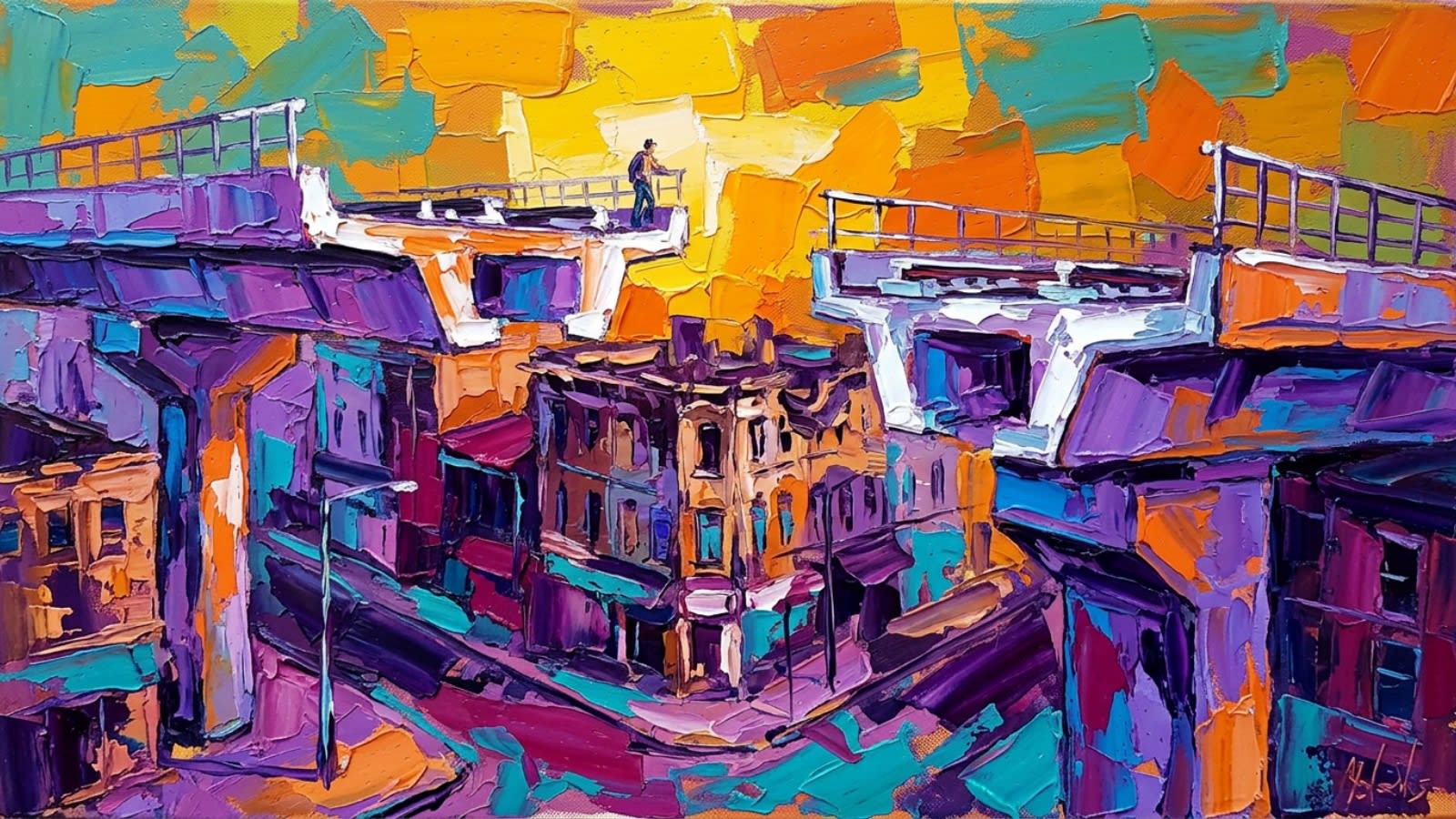
A single resident in a crumbling Juhu building is delaying the completion of Mumbai's Metro Line 2B. This 185-meter gap remains the final obstacle for an 8-kilometer stretch of the multi-crore infrastructure project.
The Gridlock at Juhu Circle: Infrastructure vs. Individual Rights
In the heart of Mumbai’s bustling western suburbs, the ambitious Mumbai Metro Line 2B project has encountered an unexpected and deeply personal obstacle. While the city works to modernize its transit network, a single resident living in a dilapidated apartment block at Juhu Circle has become the focal point of a significant urban development stalemate. This situation highlights the complex tension between the state's mandate for public infrastructure and the rights of individuals holding onto their ancestral homes.
The Anatomy of a Missing Link
Mumbai Metro Line 2B is a massive undertaking, spanning 23.643 kilometers with an investment of Rs 10,986 crore. The project is designed to alleviate the city's notorious traffic congestion by providing an elevated corridor. However, progress has stalled on a critical 8-kilometer stretch between Andheri and Khar. While tracks have been laid across nearly the entire route, a 185-meter gap remains, specifically positioned over the plot where a man in his mid-fifties continues to reside in a crumbling structure.
A Legacy of Legal and Logistical Hurdles
The situation is not a recent development but the culmination of eight years of friction. The building, which has been deemed dangerous, has seen almost all other residents relocate as the structure deteriorated over time. Despite the building's precarious state, the resident—who has lived there since childhood—remains. This standoff has persisted through a series of failed negotiations and a protracted High Court battle, underscoring the bureaucratic and legal challenges inherent in land acquisition within densely populated urban environments.
Broader Implications for Urban Development
This case serves as a microcosm of the difficulties faced by urban planners in India. Large-scale infrastructure projects often prioritize the collective benefit of millions of commuters, yet they frequently collide with the emotional and legal attachments individuals have to their property. The Juhu Circle incident demonstrates how a single point of failure can disrupt the timeline of a project worth over Rs 10,000 crore, highlighting the need for more robust, compassionate, and efficient land acquisition policies.
Looking Toward a Resolution
As the city waits for this 185-meter gap to be bridged, the delay continues to impact the projected opening of the Andheri-Khar corridor. The resolution of this standoff is not merely about clearing a path for concrete and steel; it represents a test of the city's ability to balance the rapid expansion of public transit with the complexities of property rights. Until this final obstacle is cleared, the Metro Line 2B remains an incomplete promise to the commuters of Mumbai, awaiting a conclusion to a story that has spanned nearly a decade.