Trump, Putin and Xi to meet in China’s Shenzhen on Nov 19; evoke comparisons with 1945 Yalta conference
Source Entity
Latest News: Todays Latest News Headlines from India & World | Hindustan Times
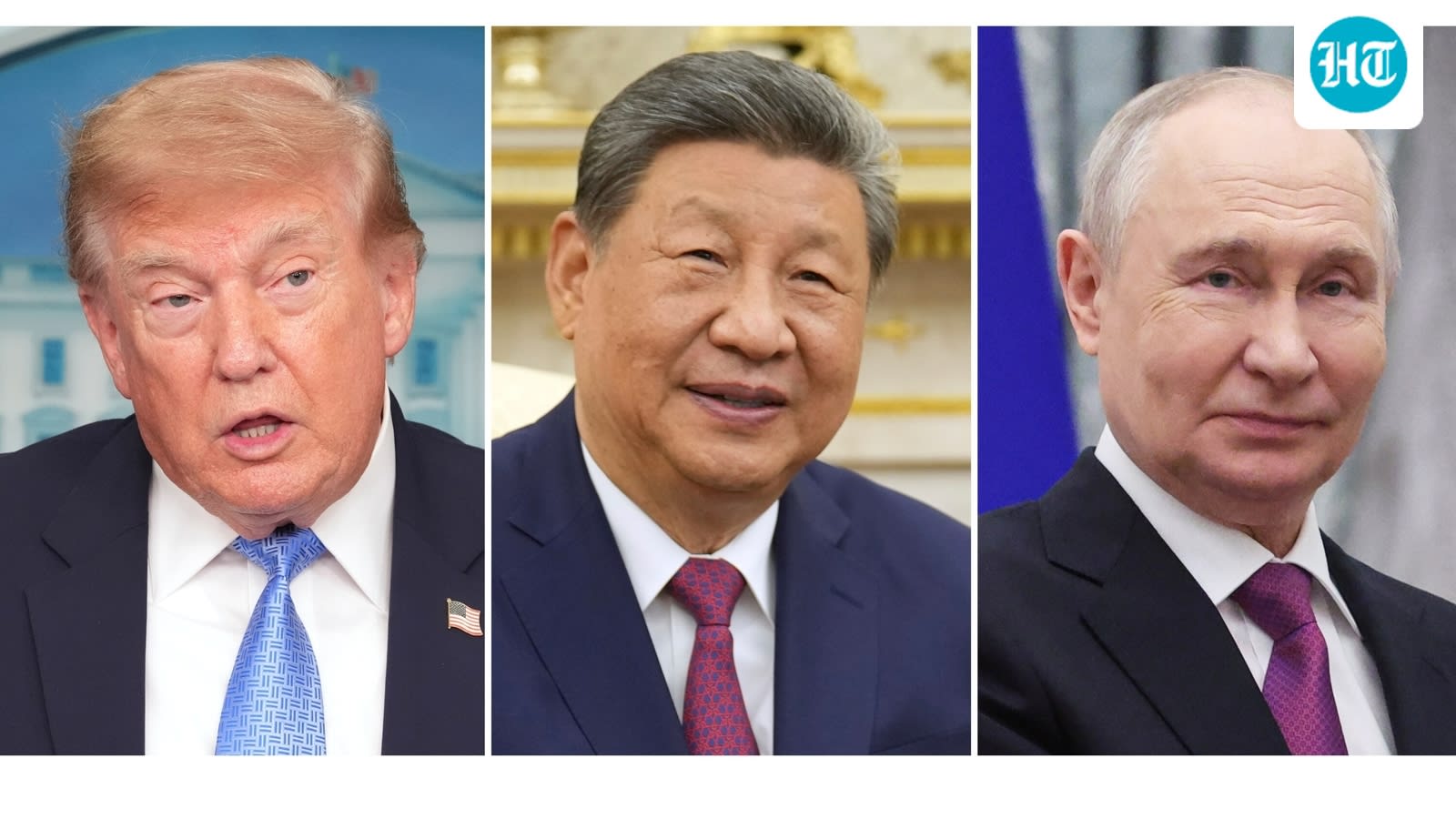
US, Chinese, and Russian leaders are set to convene in Shenzhen for a trilateral summit on November 19. The meeting has triggered comparisons to the 1945 Yalta Conference amid fears that major powers may dictate global affairs unilaterally.
The Shenzhen Summit: A Modern Yalta?
The upcoming trilateral meeting between U.S. President Donald Trump, Chinese President Xi Jinping, and Russian President Vladimir Putin in Shenzhen, China, represents a significant moment in contemporary geopolitics. Scheduled for November 19 on the sidelines of the APEC forum, this high-stakes encounter has immediately drawn parallels to the 1945 Yalta Conference, where Allied leaders effectively partitioned spheres of influence in post-war Europe.
The Shadow of Yalta
The apprehension surrounding this meeting stems from the historical precedent of great powers negotiating the fate of smaller, third-party nations behind closed doors. Much like the original Yalta summit, where the geopolitical map was redrawn by a handful of leaders, the current anxiety reflects a fear that these three superpowers might reach understandings on regional conflicts or security architectures without the participation of the very states most directly impacted by such decisions.
A Shift in Nuclear Diplomacy
While the meeting’s agenda remains fluid, the Kremlin and the White House have indicated that nuclear arms control will be a central pillar of the discussion. This focus is critical, as the existing framework for global nuclear non-proliferation faces unprecedented strain. By bringing the world’s three most potent nuclear-armed nations to the table, the summit aims to address potential escalations, yet it simultaneously highlights the shift toward a tripolar power structure that complicates traditional bilateral arms control treaties.
Divergent Priorities and Regional Conflicts
Beyond nuclear concerns, the leaders are expected to address various regional conflicts. The challenge lies in the fundamentally different priorities held by Washington, Beijing, and Moscow. While the U.S. seeks to maintain a rules-based order, China and Russia often pursue policies that challenge the status quo, creating a volatile environment for negotiation. The lack of a finalized agenda suggests that these discussions may be exploratory, yet the mere act of convening creates an expectation for tangible outcomes.
Implications for Global Sovereignty
For many smaller nations, the prospect of a 'Yalta 2.0' is deeply concerning. The emergence of a tripartite power dynamic threatens to marginalize the voices of smaller states in international forums like the UN or regional blocs. If the Shenzhen meeting results in tacit agreements on territorial integrity or regional influence, it could mark a decisive move away from multilateralism toward a model of 'great power management' that prioritizes the stability of the strong over the sovereignty of the small.
Future Trends in Geopolitics
Looking ahead, this summit may set the precedent for how global crises are managed in the 21st century. If Trump, Xi, and Putin succeed in establishing a functional dialogue, it could provide a mechanism for crisis management that prevents direct confrontation. Conversely, if the summit fails to produce consensus, it could exacerbate existing tensions, signaling a breakdown in diplomatic communication that leaves the global order more fragmented than ever.
Multiple Citing Sources
Verification Required?