Choking fires, deadly heat and devastating floods: 2026 in extreme weather
Source Entity
Jonathan Watts; graphics by Sara Fiorillo
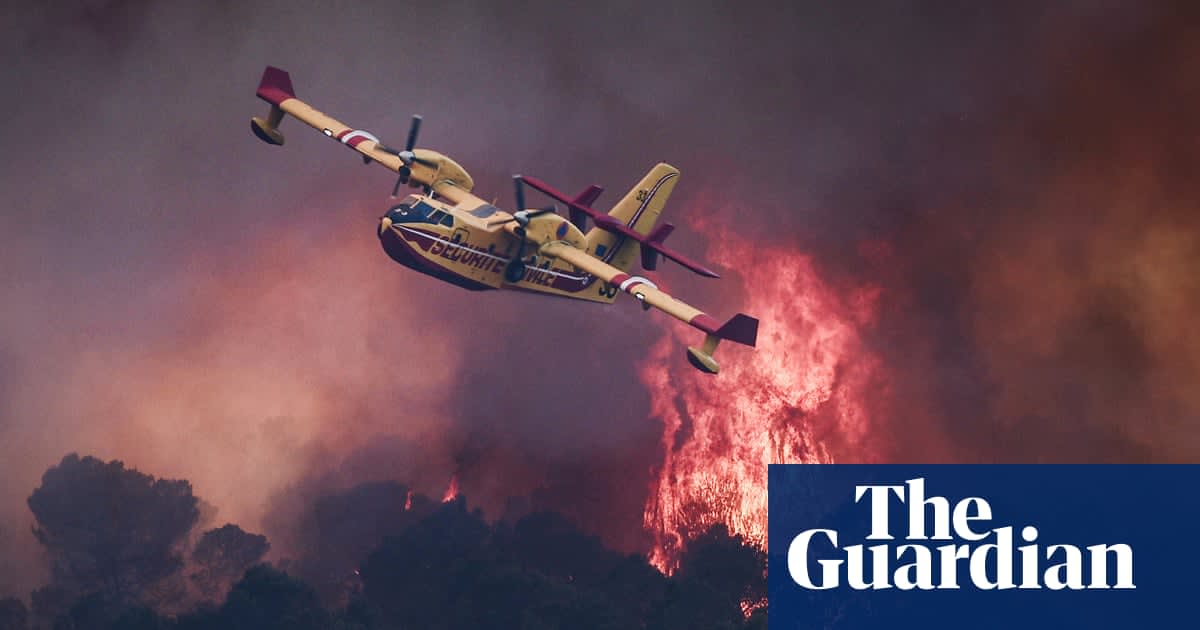
The year 2026 has been defined by unprecedented extreme weather events, culminating in the hottest summer since 1850. With death tolls already in the tens of thousands, the climate crisis continues to intensify as global leaders convene at COP31.
The Climate Crisis of 2026: A Year of Unprecedented Extremes
The year 2026 has emerged as a grim milestone in environmental history, marked by a series of climate-driven catastrophes that have claimed tens of thousands of lives. As global temperatures reached their highest levels since records began in 1850, the sheer scale of human loss serves as a harrowing indicator of an accelerating climate breakdown. These figures, while currently estimated in the high tens of thousands, are widely considered conservative, with experts expecting the final toll to climb significantly as the long-term health and infrastructural impacts of these disasters are fully realized.
A Summer of Record-Breaking Heat
The summer of 2026 stands as the hottest period in modern recorded history. This thermal anomaly is not merely a statistical outlier but a manifestation of sustained atmospheric warming that is shifting weather patterns into dangerous, unpredictable territory. The heatwaves have exacerbated existing vulnerabilities, turning arid regions into tinderboxes and overwhelming public health systems that were never designed to withstand such prolonged exposure to life-threatening temperatures.
The Role of Wildfires and Drought
Beginning as early as January, the year set a dangerous precedent with the fourth-hottest January on record. In Australia, the state of Victoria experienced temperatures soaring nearly 20C (68F) above historical averages. This extreme heat provided the perfect catalyst for devastating wildfires, which decimated local landscapes and forced massive evacuations. These fires are emblematic of the feedback loops now present in our climate system, where heat fuels fire, and fire releases carbon that further accelerates the warming process.
COP31 and the Global Response
As the world observes these disasters, the international community has gathered for COP31 to address the escalating crisis. The scientific consensus presented at this summit is stark: the current trajectory of climate breakdown is accelerating beyond previous models. The primary challenge facing negotiators is the urgent need to transition from rhetoric to radical emission reductions. The proceedings are underscored by the grim reality that without immediate, systemic change, 2026 may be remembered not as a peak of disaster, but as one of the most temperate years humanity will experience in the future.
Future Implications and Conclusion
Looking forward, the events of 2026 highlight a transition from intermittent climate events to a state of chronic environmental instability. The combination of choking fires, catastrophic floods, and lethal heat represents a multi-front assault on global infrastructure and human security. The lesson of 2026 is clear: the window for mitigation is closing rapidly. Unless nations can achieve meaningful consensus on emissions, the patterns of destruction seen this year will become the baseline for future generations, fundamentally altering the habitability of vast regions of the planet.