KSSP warns Mission Samudra threatens traditional fishing livelihoods
Source Entity
India Latest News: Top National Headlines Today & Breaking News | The Hindu
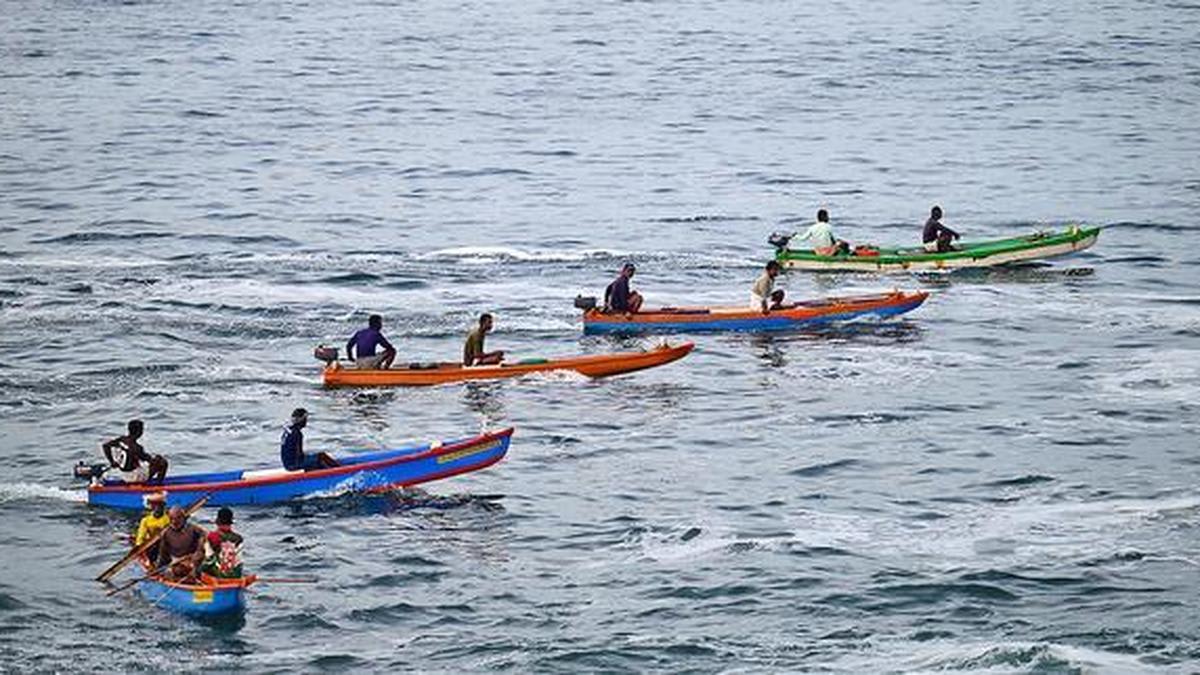
The Kerala Sasthra Sahithya Parishad (KSSP) has raised alarms over the 'Mission Samudra' initiative, fearing it will jeopardize traditional fishing livelihoods and coastal ecosystems. They are calling for increased oversight to prevent corporate monopolization of state maritime resources.
The Conflict Over Kerala's Coastal Future
The Kerala Sasthra Sahithya Parishad (KSSP), a prominent people's science movement, has issued a stern warning regarding the State government’s 'Mission Samudra' initiative and the accompanying Maritime Board Amendment Bill. At the heart of this dispute is the tension between large-scale industrialization and the preservation of traditional livelihoods that have sustained coastal communities for generations. The KSSP contends that these legislative and developmental shifts prioritize corporate interests over the rights of fisherfolk.
Industrialization vs. Coastal Commons
Mission Samudra, described by the KSSP as the state-level manifestation of the Union government’s 'Blue Economy' policy, aims to pivot Kerala toward a port-centric development model. By proposing the development of 18 minor ports and enhancing connectivity to major hubs like Vizhinjam and Kochi, the project seeks to integrate Kerala more deeply into global maritime trade. However, the KSSP argues that this focus on 'port-centric' growth risks turning coastal commons into private industrial zones, thereby alienating local populations who rely on these waters for their daily survival.
Risks to Marine Ecosystems
The environmental concerns raised by the KSSP are rooted in the potential for ecological degradation associated with large-scale port construction. The development of shipbuilding, repair, and breaking facilities involves significant dredging and infrastructure expansion, which can irrevocably damage fragile marine ecosystems. The KSSP’s intervention serves as a reminder that the health of the coastline is inherently linked to the economic stability of the traditional fishing sector, which is highly sensitive to changes in water quality and coastal topography.
Legislative Overreach and Governance
A central pillar of the KSSP’s opposition is the proposed Maritime Board Amendment Bill. The organization expresses deep concern regarding the 'sweeping powers' granted to the Maritime Board under this new legislative framework. According to the KSSP, such centralization of authority could bypass local democratic oversight and community consultation, making it easier for private entities to dominate coastal resource management without sufficient accountability to the public.
Broader Economic Implications
This debate reflects a broader national trend where states are vying for a larger share of the maritime economy. While proponents argue that port development is essential for logistical efficiency and economic growth, the KSSP’s critique highlights the 'hidden costs' of such transitions. If the government proceeds without meaningful safeguards for traditional fishers, the state may face significant social unrest. The outcome of this policy struggle will likely set a precedent for how other coastal states in India balance industrial aspirations with the socio-economic rights of marginalized communities.
The Path Forward
The KSSP’s call for the government to reconsider its current trajectory emphasizes the need for a more inclusive development paradigm. Rather than pursuing a model that favors corporate-led port development, the organization advocates for policies that protect the 'coastal commons.' As the debate continues, the state government will face increasing pressure to balance its economic ambitions with the imperative of protecting the environment and the livelihoods of those who have historically been the custodians of Kerala’s coastal resources.
Verification Required?