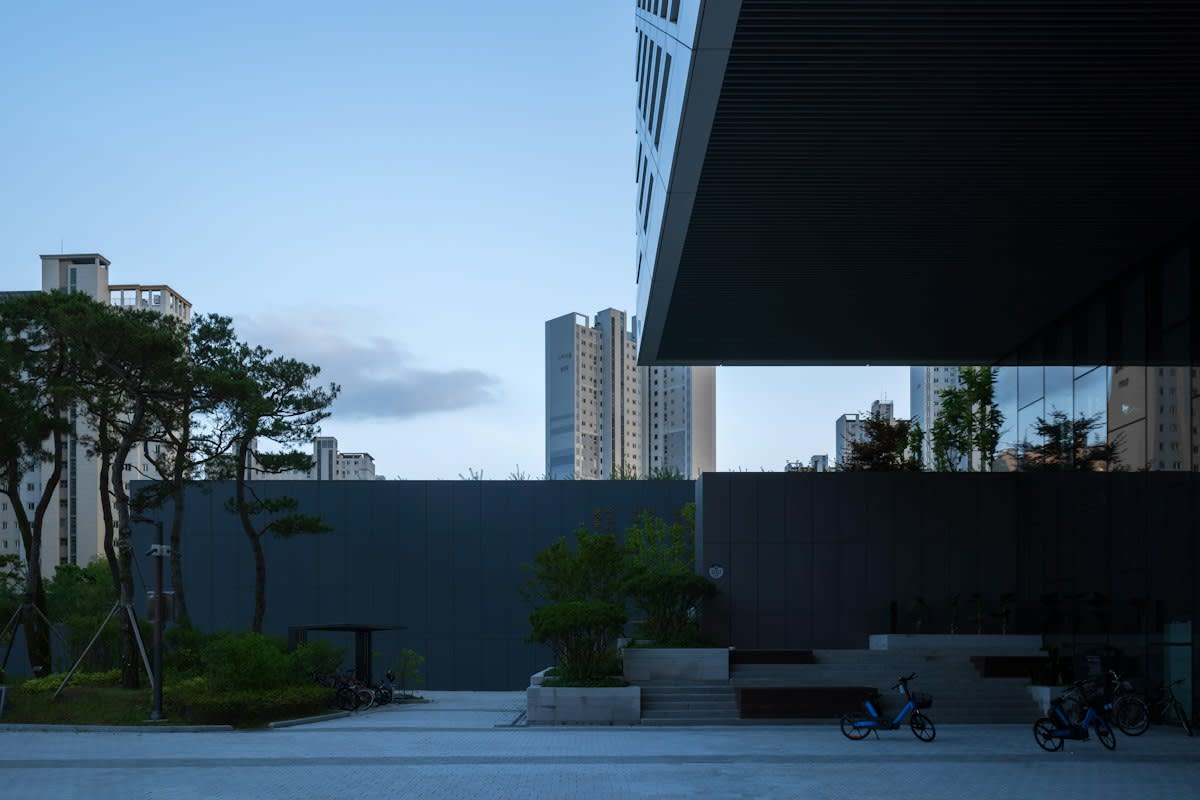
Concrete walls trap sound. 1.18 is the effect size for mental health improvement when natural sounds replace noise (Source: npj Urban Sustainability, 2026). Cities are not built for ears. They are built for cars and commerce. This creates a void of safety for the mind. People lack spaces to counteract digital and social stress (Source: Neural Oasis, 2026). We need more than just walls. We need zones of silence.
Prerequisites
Building a sanctuary requires specific materials. You cannot use standard glass. Standard glass lets the city in. You need STADIP SILENCE laminated glass to ensure noise reduction (Source: Saint Gobain Glass, 2026). This material works in city centers, near airports, and by railway lines. It keeps fragments bonded if the glass breaks, which is a requirement for public schools and offices (Source: Saint Gobain Glass, 2026). Without this barrier, the external world wins.
You also need acoustic concrete. The Chapel of Sound proves that this material can merge a structure with a natural setting (Source: OPEN Architecture, 2026). The goal is to block the loud vibrations of the street. You must also secure a zoning permit for silence zones. These zones serve as hubs for relaxation and fight social isolation (Source: District of Elkford, 2026). No material works without a designated space.
These materials are the baseline. Now we apply the logic of soundscapes. Not all sound is noise. Some sounds heal. The distinction is the difference between a sanctuary and a vault.
Construction Steps
- Audit the acoustic performance of the site to identify noise leaks (Source: HDII Regional, 2026).
- Install laminated acoustic glass in all perimeter boundaries to isolate the interior from traffic and airports (Source: Saint Gobain Glass, 2026).
- Construct interior zones using acoustic concrete to evoke a sense of natural merging (Source: OPEN Architecture, 2026).
- Introduce natural sound sources to improve the environmental experience, targeting an effect size of g=0.82 (Source: npj Urban Sustainability, 2026).
- Design the space for long-term stays. Ensure users can remain for more than 10 minutes to trigger physical health benefits, where g=1.00 (Source: npj Urban Sustainability, 2026).
- Integrate human sounds for short-term mental health spikes. Target the 1 to 5 minute window where the effect size is g=0.73 (Source: npj Urban Sustainability, 2026).
Step five is the most ignored. Most urban parks are too small. A quick walk through a park does nothing for the body. Physical health gains only emerge after 10 minutes of exposure to natural sounds (Source: npj Urban Sustainability, 2026). If the sanctuary is just a corridor, it is a failure. It must be a destination.
Step six recognizes the value of the human voice. Human sounds improve mental health with an effect size of g=0.87 (Source: npj Urban Sustainability, 2026). The trick is timing. Human sound is best in short bursts. Long exposure to human noise returns the space to a state of stress.
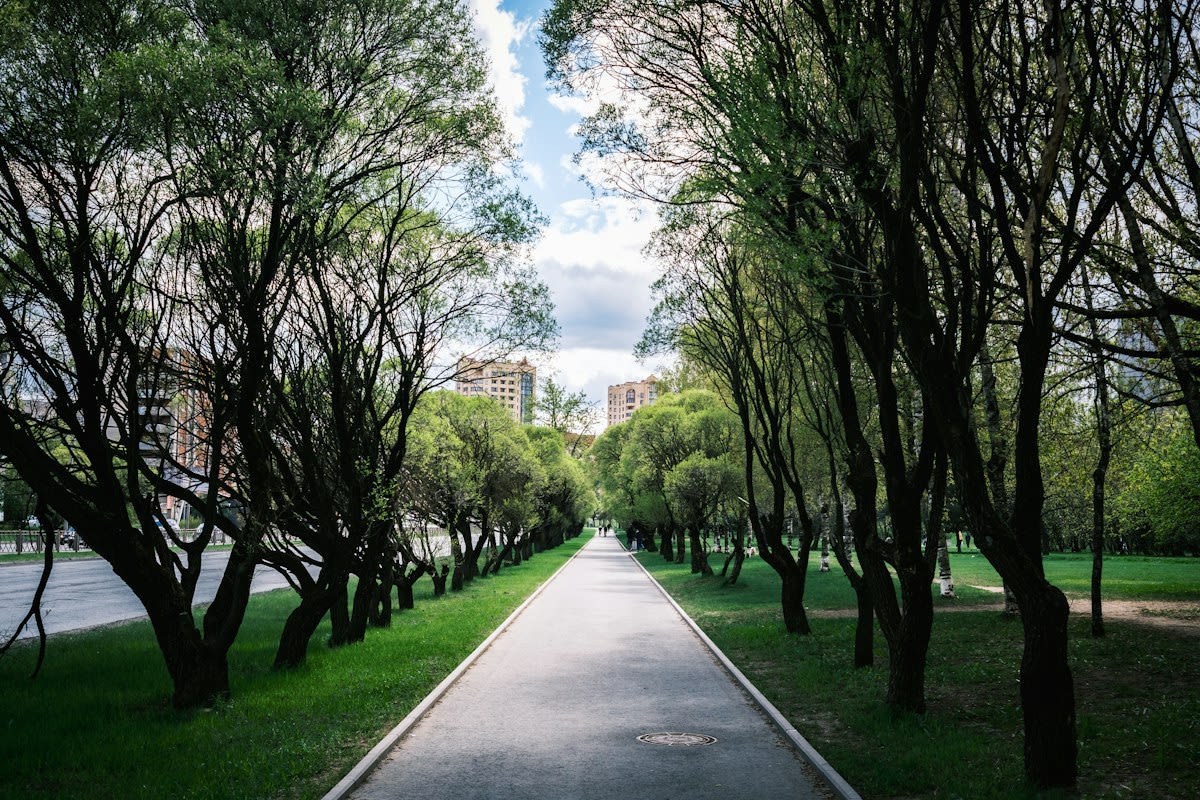
Material and time must align. A glass wall without a natural soundscape is just a box. A park without acoustic barriers is just a loud field.
Practitioner Reality
In Jakarta, the fight is raw. Architects fight for three meters of buffer space against a highway. Developers call it wasted money. The friction is financial. Silence has no ROI in a ledger, yet the human cost of noise is a debt that never gets paid. We argue over decibels while the residents suffer from social isolation (Source: District of Elkford, 2026). The debate is not about aesthetics. It is about survival in a city that never stops screaming.
"Acoustic performance and noise control shape how we experience a space."— HDII Regional, Webinar on The Design of Silence
This friction leads to compromises. Laminated glass is often swapped for cheaper options. The result is a sanctuary that leaks. When the barrier fails, the mental health benefits drop. We see the result in the data: without the right environment, the restorative benefits vanish.
Failure Point
The primary failure point is the 10-minute threshold. Many urban designers create mindfulness gardens that are too small (Source: District of Elkford, 2026). They assume a brief visit is enough. The data contradicts this. Physical health benefits (g=1.00) only appear after 10 minutes of exposure to natural sounds (Source: npj Urban Sustainability, 2026). Any sanctuary that encourages rapid throughput is a failure of design.
Common Pitfalls
- Assuming all silence is equal. Pure silence can be oppressive. Natural sounds are superior for environmental experience (g=0.82) (Source: npj Urban Sustainability, 2026).
- Overlooking safety. Using non-laminated glass in public zones risks injury during breakage (Source: Saint Gobain Glass, 2026).
- Ignoring the human element. Total isolation is not the goal. Human sounds provide a mental health boost (g=0.87) if managed (Source: npj Urban Sustainability, 2026).
- Designing for the eye, not the ear. Visuals are secondary to acoustic performance (Source: HDII Regional, 2026).
Avoiding these traps requires a change in priority. We must stop treating sound as a byproduct of architecture. Sound is the architecture.
Fact-Check Note
Data Verification: The effect sizes (g) cited for natural and human sounds are derived from a systematic review and meta-analysis published in npj Urban Sustainability in 2026. All physical health gains are strictly tied to the >10 minute exposure window.
Editorial Note
Editorial Note: This guide focuses on the structural and temporal requirements of sonic sanctuaries. It rejects the notion that wellness is a luxury; it treats acoustic isolation as a public health necessity.