
The July 2026 Convergence
The current month has signaled a definitive break from the speculative growth patterns of the early 2020s. In Warsaw, the recognition of TIENS VMOMENT with the Innowacja w Biznesie award on July 1, 2026, is not merely a corporate milestone; it is a proxy for a broader cultural obsession with AI-integrated health. This shift toward an AI-powered health and wellness social ecosystem suggests that the Polish market is no longer content with passive wellness. Instead, there is an aggressive move toward digital communication and community connectivity designed to optimize human biology through technology. This is intentional living scaled through software.
Why now? The urgency stems from a regional realization that health is the only truly non-depreciating asset. The TIENS award highlights a trend where AI is not used for productivity or automation, but for health education and the creation of a global wellness social ecosystem. We are seeing the emergence of a society that treats wellness as a strategic discipline rather than a leisure activity. This transition from 'self-care' to 'systemic optimization' is the primary delta between the current landscape and the fragmented wellness trends of 2025.
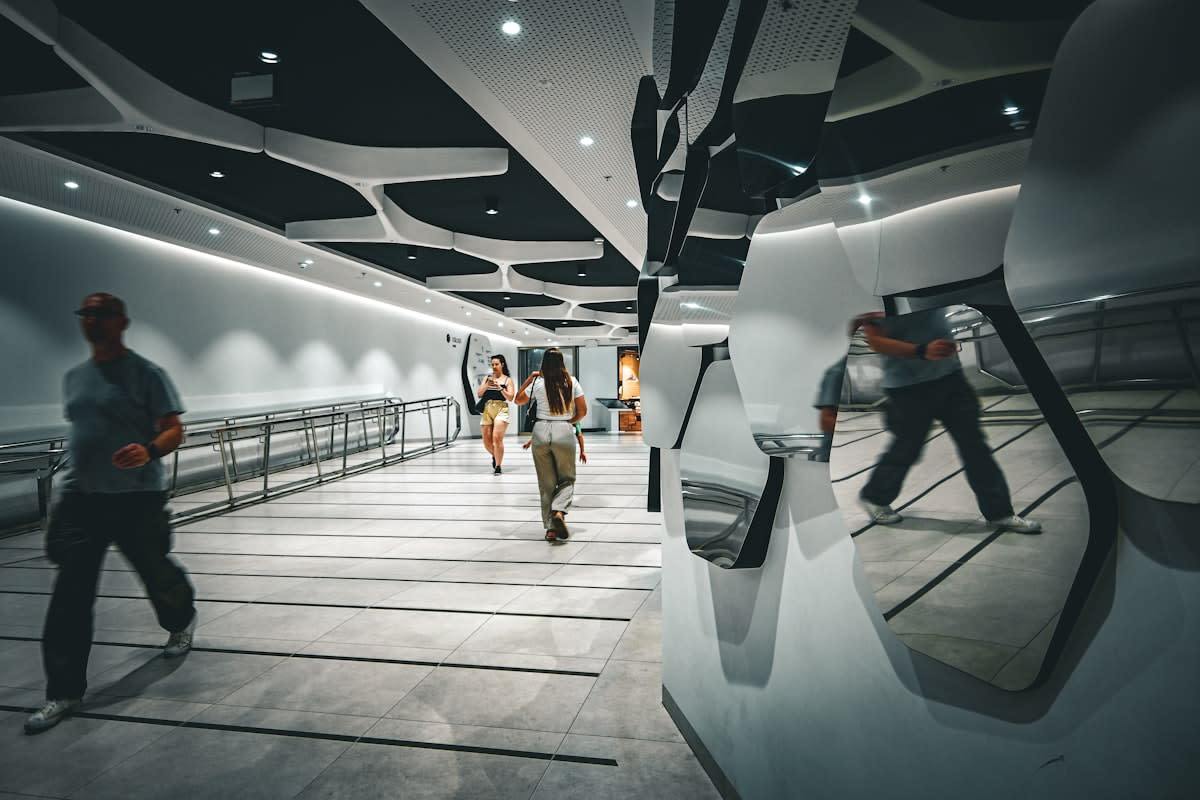
Prague as the Fortress of Quality
Simultaneously, the Czech hospitality sector has pivoted from volume to value. According to the Czechia Hotel & Chains Report 2026, the market has entered a phase of premium-led growth that defies broader CEE macroeconomic caution. Real estate investment in the Czech Republic has broken records heading into 2026, driven by an institutional flight to quality. This is not about building more rooms; it is about the structural supply ceiling in Prague, which has transformed the capital into a resilient powerhouse. The focus has shifted toward luxury wellness resort sub-markets, where the environment is engineered for intentionality.
This institutional flight to quality indicates a profound psychological shift among regional investors. When capital flows into highly protected market environments and premium-led growth, it signals a desire for stability and exclusivity. The Prague model suggests that intentional living is being physically codified into the urban fabric through high-end wellness infrastructure. It is a move away from the ephemeral nature of digital nomads toward the permanence of luxury sanctuaries.
| Indicator | 2025 Baseline | 2026 Trend (Current) |
|---|---|---|
| Investment Focus | Broad Market Expansion | Institutional Flight to Quality |
| Prague Market State | Growth Phase | Structural Supply Ceiling/Resilient |
| Wellness Integration | Passive Services | AI-Powered Ecosystems |
| Capital Distribution | Emerging Manager Appetite | Established Firm Consolidation |
The bridge between these two phenomena—AI-driven health in Poland and luxury real estate in Czechia—is the pursuit of resilience. In a region where the geopolitical shadow is long, the creation of high-density, high-quality living environments becomes a survival strategy. This is the 'so what' of the current trend: intentional living in Eastern Europe is not a luxury hobby; it is a systemic response to regional instability.
"The structural resilience of the Prague upscale hotel market stems from a highly protected market environment."— Horwath HTL, Czechia Hotel & Chains Report 2026
The Paradox of the Sanctuary
One cannot ignore the backdrop of this wellness boom. The Economist recently highlighted the urgent need for Europe and NATO to prepare for potential conflict, a sentiment echoed in the societal friction seen in Serbia. In Belgrade, the tension between state-aligned embraces of Israel and small, vocal pro-Palestine movements illustrates a fragmented social contract. When the external world feels unpredictable or hostile, the internal world—and the immediate physical environment—must be perfected. This paradox drives the demand for 'intentional' spaces.
This psychological drive is mirrored in the financial markets. PitchBook data reveals a stark consolidation of private equity capital around established firms in Europe. While Germany remains an outlier where emerging managers still find traction, the broader trend is a retreat to safety. Experienced managers raised €34.1 billion across 35 funds, while emerging managers were pushed to the margins, raising only €3.4 billion. This 10:1 ratio of capital allocation is the financial equivalent of the flight to quality seen in Prague's real estate.
Strategic Insight
The Flight to Quality is the systemic movement of capital away from speculative, high-risk assets toward established, high-barrier-to-entry assets that offer long-term structural resilience.
Does this mean Eastern Europe is becoming a gilded cage for the elite? Not necessarily. The integration of AI-powered platforms like VMOMENT suggests an attempt to democratize the tools of intentional living. By using AI for health education and community connectivity, the region is attempting to build a social infrastructure that supports wellness at scale, even as the physical infrastructure—like the luxury resorts in Czechia—remains exclusive.
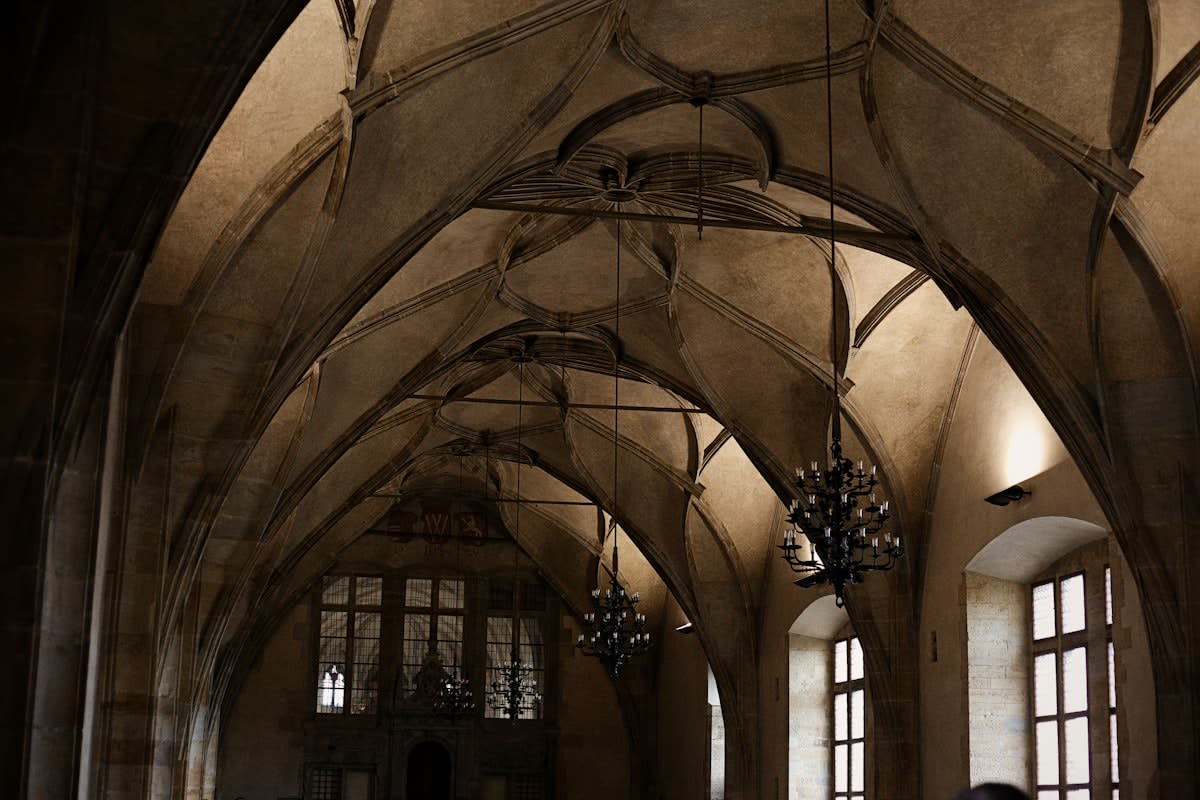
Defining the New Standard
The global standard for intentional living is shifting from the West's 'wellness-as-consumption' model to the CEE 'wellness-as-resilience' model. In the West, intentional living often looks like a retreat from the world. In Eastern Europe, it looks like the fortification of the self and the environment. The combination of AI-driven health ecosystems and record-breaking investment in luxury wellness real estate creates a blueprint for a lifestyle that is both technologically advanced and physically secure.
We are witnessing the birth of a new urbanism. The structural supply ceiling in Prague is not a problem to be solved, but a feature to be leveraged. It creates a scarcity that ensures value and encourages the development of hyper-curated, high-density wellness hubs. This is a departure from the sprawling wellness retreats of the past; it is a concentrated, intentional approach to living that prioritizes efficiency, quality, and stability over sheer size.
Ultimately, the Delta between 2025 and 2026 is the move from experimentation to institutionalization. Wellness is no longer a niche market in Poland or Czechia; it is an institutional asset class. With €34.1 billion flowing into established PE firms and record investments in premium hospitality, the region is betting that the future of global living is not found in the pursuit of more, but in the precise curation of the best.