
The Architecture of Absence
The neighborhood cafe used to be a sanctuary. Now, it is often a high-throughput workstation with expensive beans and a subtle pressure to vacate once your latte is gone. This shift represents the decay of the 'Third Place'—a sociological term coined by Ray Oldenburg to describe the social surroundings separate from the two primary environments of home (first place) and work (second place). These spaces were never about the product being sold; they were about the permission to linger. When you strip away the ability to exist in a space without a specific transactional purpose, you don't just lose a building. You lose the casual, low-stakes social friction that prevents systemic isolation.
We are witnessing a global sterilization of the public realm. In cities from Tokyo to New York, 'Privately Owned Public Spaces' (POPS) are replacing truly public squares. These areas look like parks but are governed by corporate bylaws that discourage loitering, protesting, or simply sitting for hours without spending money. This is not a localized trend; it is a global optimization strategy. Urban planners have prioritized 'efficiency' and 'flow' over 'dwell time,' effectively designing the possibility of spontaneous community out of our cities.
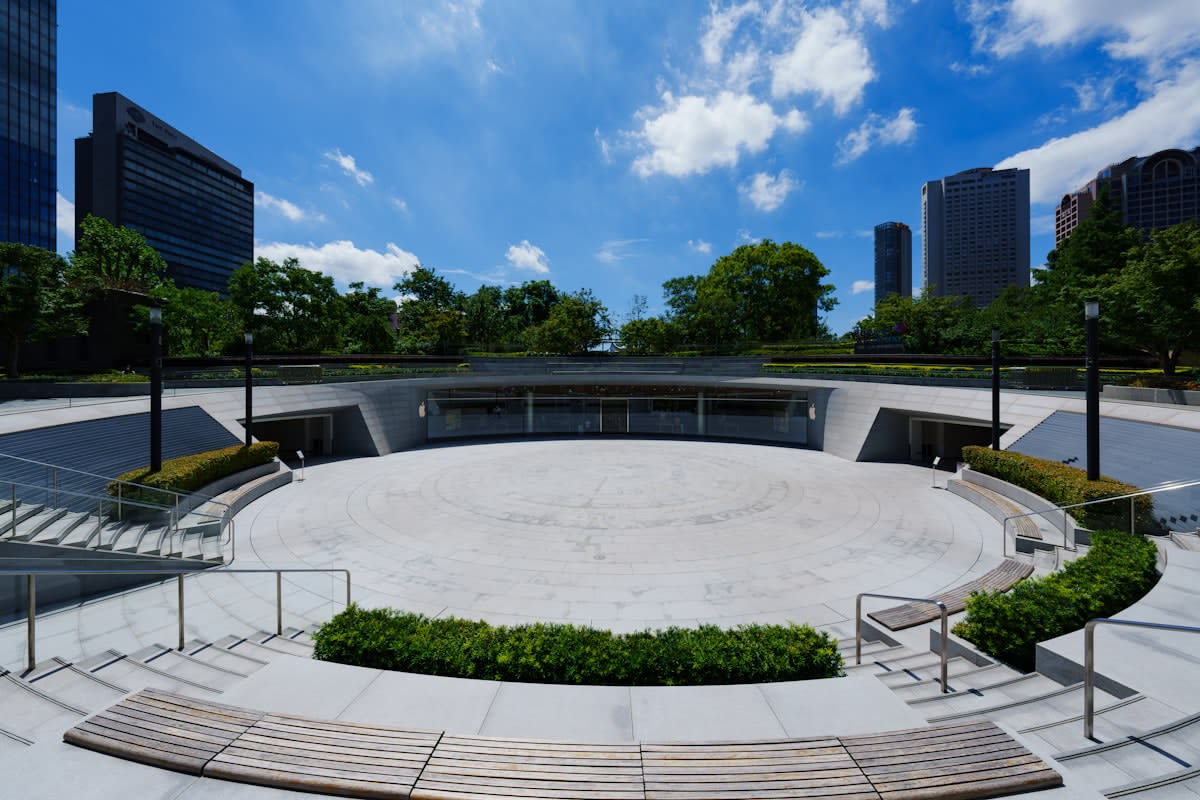
Why does this matter? Because casual community acts as a social lubricant. It is where you meet people who are not in your curated professional circle or your immediate family. When these spaces vanish, our social networks become echo chambers. We move from 'weak ties'—the acquaintances who introduce us to new ideas and opportunities—to a binary of intense intimacy or total strangers. The result is a fragile social fabric that cannot withstand the pressures of a volatile economy or a global pandemic.
This void in our social infrastructure has not remained empty; it has been aggressively colonized by the market.
The Rise of the Loneliness Economy
Enter the Loneliness Economy. As organic third places disappear, we are seeing a surge in services that monetize the basic human need for belonging. We are no longer meeting at the pub or the community center; we are paying for curated 'membership' communities, high-ticket networking events, and friendship-matching apps. Connection has transitioned from a public utility to a premium subscription service. This is a systemic pivot: the market is now selling back the social capital that the urban environment helped destroy.
"The erosion of non-commercial social spaces forces individuals to seek connection through transactional means, effectively turning friendship into a commodity with a monthly recurring revenue model."— Sociological Analysis Framework, based on theories by Ray Oldenburg (1989)
Look at the explosion of 'co-living' spaces in cities like Berlin and Mexico City. These are marketed as community-driven hubs, but they are essentially residential real estate with a social layer added as a feature. The 'community' is a value-add to justify higher rent. Similarly, the rise of digital third places—Discord servers, gaming guilds, and niche online forums—provides the illusion of presence without the physical risk of unplanned encounter. While these digital spaces offer a lifeline, they lack the sensory grounding and the unplanned cross-demographic interaction of a physical town square.
| Feature | Traditional Third Place | Loneliness Economy Substitute |
|---|---|---|
| Cost of Entry | Low/Zero (Price of a coffee/beer) | High (Monthly membership/Subscription) |
| Access | Open/Organic | Curated/Vetted |
| Social Dynamic | Weak ties, diverse demographics | Strong ties, homogeneous circles |
| Primary Goal | Lingering and connection | Networking and optimization |
| Ownership | Community-centric/Local | Corporate/Platform-based |
The danger here is the 'homogenization of the social.' In a traditional third place, you might encounter someone from a different political persuasion or a different social class simply because you both use the same library or park. In a curated loneliness economy product, you are matched with people exactly like you. This optimizes for comfort but kills the intellectual friction necessary for a functioning, pluralistic society.
To understand the true cost of this shift, we must look at it through the lens of those tasked with building our future environments.
The Practitioner's Friction: Efficiency vs. Loitering
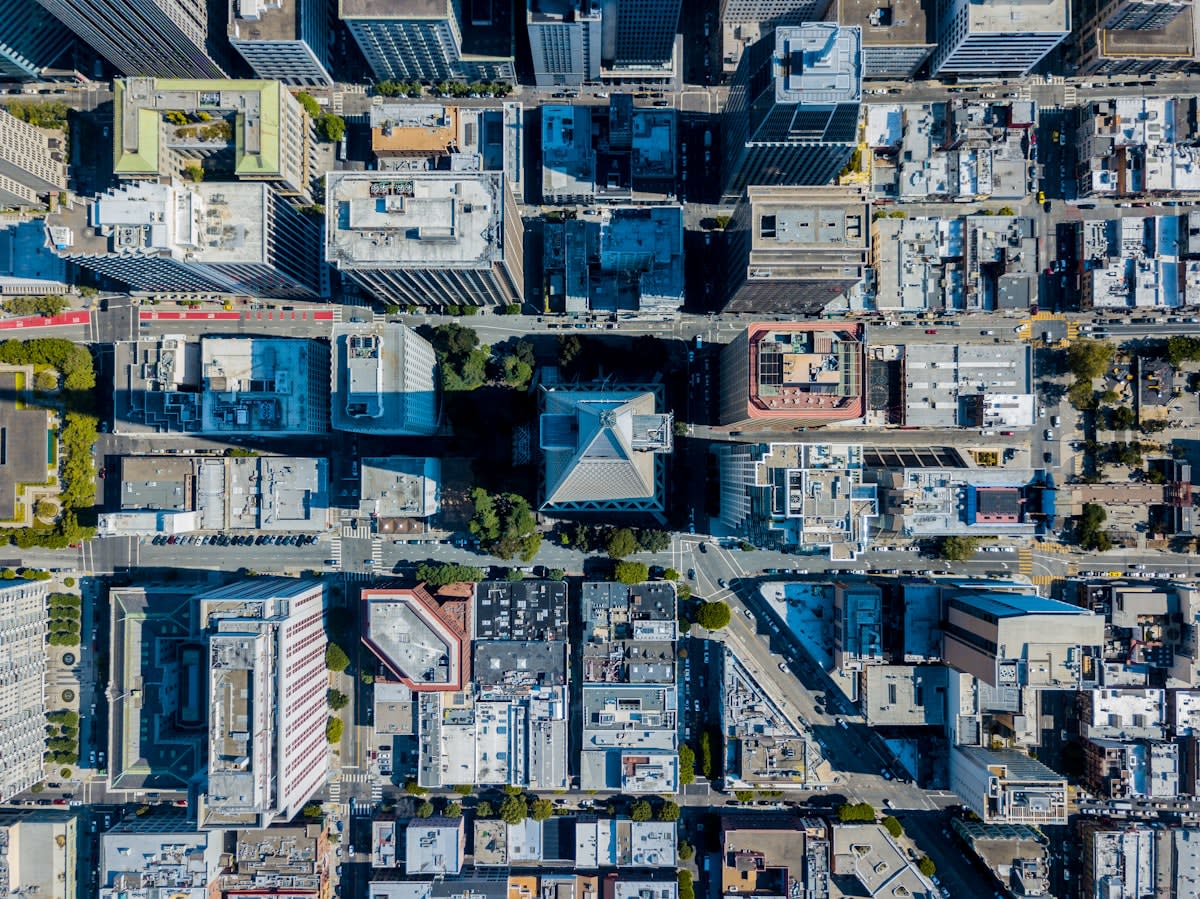
From the perspective of an urban strategist, the debate isn't about 'loneliness'—it is about 'yield.' In my experience working with city planners and developers, the internal tension is always between the desire for vibrant, 'livable' streets and the necessity of maximizing the economic output of every square meter. Developers love the idea of a vibrant neighborhood, but they hate the reality of people loitering. Loitering is inefficient. It doesn't generate immediate revenue per square foot. This creates a paradox where we build 'lifestyle centers' that look like towns but function like malls.
The real friction happens in the zoning meetings. Practitioners debate 'mixed-use' development, but often 'mixed-use' just means 'retail on the bottom, luxury condos on top.' True third places require a level of economic inefficiency—spaces that are allowed to be 'unproductive' in a financial sense but highly productive in a social sense. When we prioritize the ROI of a physical space over its social utility, we are essentially taxing the community's mental health to boost a balance sheet.
Resilience and the Path Forward
We should stop treating this as a crisis of loneliness and start treating it as a crisis of infrastructure. The solution isn't more 'social apps'—which are merely digital band-aids on a physical wound. The solution is the intentional protection of 'inefficient' spaces. This means championing libraries, public parks with ample seating, and zoning laws that protect small, independent businesses over global franchises that prioritize standardized turnover over local character.
There is an opportunity here for a new kind of urbanism. Some cities are already experimenting with '15-minute city' models that prioritize pedestrian access to essential services and social hubs. By reducing the reliance on cars and increasing the density of walkable, non-commercial spaces, we can rebuild the casual community. The goal is to move away from the Loneliness Economy and back toward a Social Economy, where connection is a byproduct of existing in a shared environment, not a product we buy.
- Prioritize 'dwell time' over 'throughput' in urban planning.
- Support the creation of non-transactional public spaces (POPS with actual public governance).
- Incentivize small-scale, independent 'anchor' businesses that foster local loyalty.
- Integrate physical 'social infrastructure' into residential developments beyond basic gym/lounge areas.
Fact-Check & Accuracy Note
The key claims regarding the 'Third Place' are based on the sociological framework established by Ray Oldenburg in his 1989 work 'The Great Good Place.' The analysis of 'Privately Owned Public Spaces' (POPS) reflects ongoing urban planning debates in major global hubs like London and New York. While the 'Loneliness Economy' is a synthesized term for the monetization of social needs, the trend is evidenced by the growth of the co-living and subscription-based community markets. The tension between 'yield' and 'livability' is a standard conflict in contemporary urban development and real estate strategy.