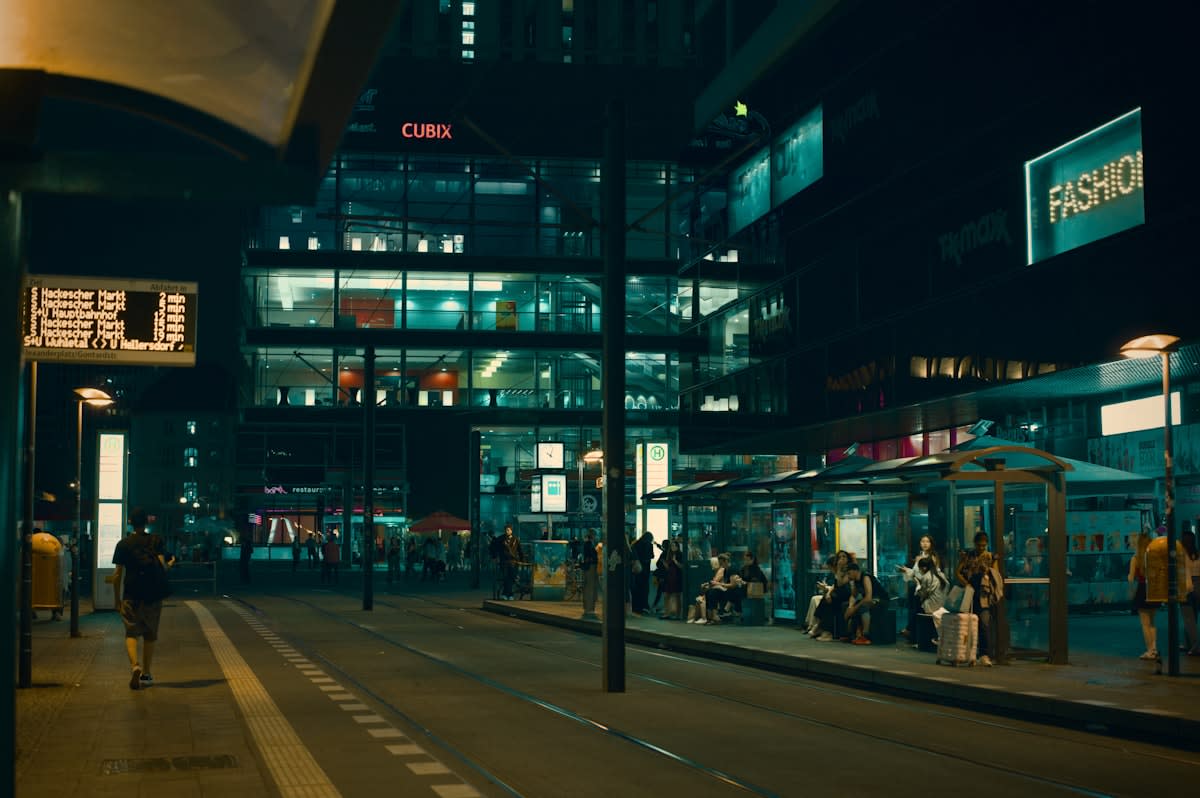
We are witnessing the quiet liquidation of the Third Place. For decades, the 'Third Place'—those neutral grounds between home and work—served as the essential lubricant for social cohesion. Now, these spaces are not merely disappearing; they are being digitized, licensed, and optimized out of existence. Is this a tragedy? Perhaps. But from a strategic perspective, it is a systemic migration. We are moving from a world of organic, spontaneous interaction to one of curated, algorithmic access. This shift isn't happening in a vacuum; it is reflected in how we consume media, how we feed ourselves, and how we care for the vulnerable.
The Ownership Paradox: From Discs to Licenses
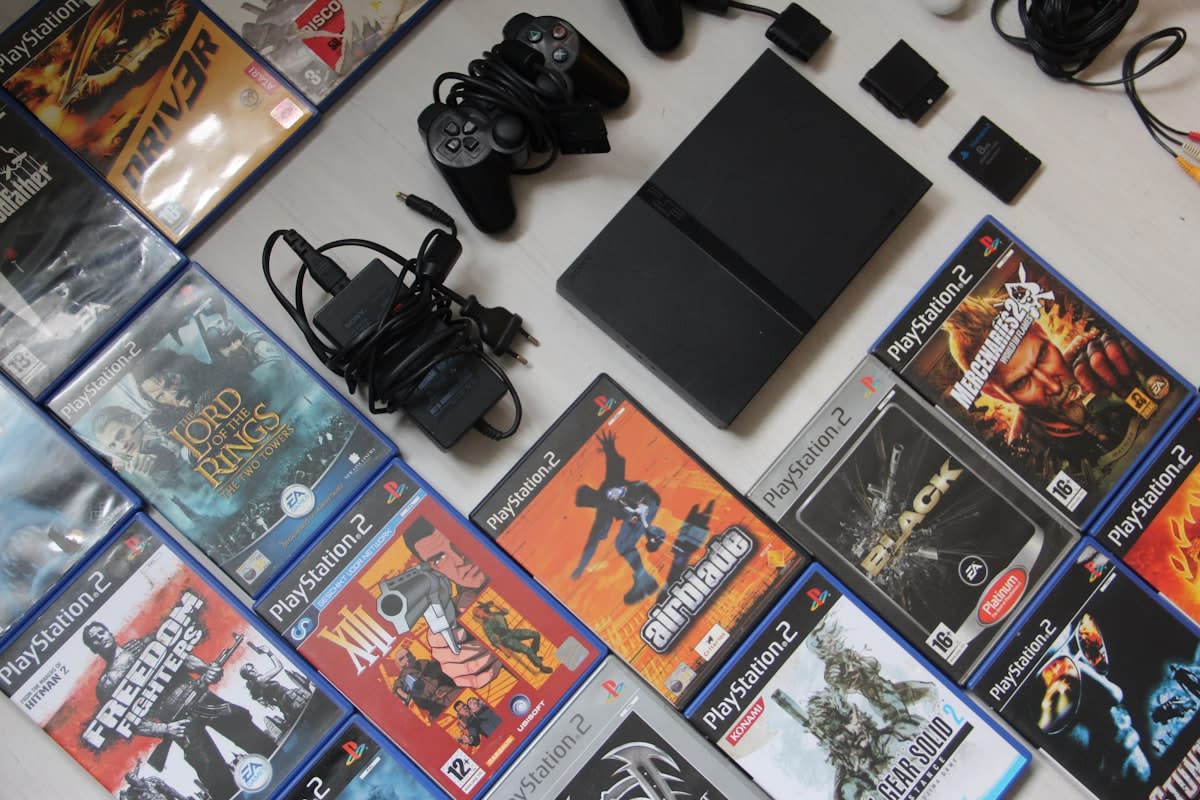
Consider the current state of digital entertainment. The gaming industry provides a perfect microcosm of the broader erasure of physical space. Recent reports from Polygon highlight a significant decrease in Xbox services and content sales for the fourth quarter of 2026, forcing the company to pivot toward what players actually value. What do they value? Physical media. The demand for the right to own, sell, borrow, or give away a disc is not about nostalgia; it is a rebellion against the precariousness of the digital license. When a physical object disappears, the social ritual of sharing and exchanging—a core component of the Third Place—dies with it.
The fragility of this new digital architecture became glaringly obvious during a recent Xbox outage. As the BBC reported, the technology chief admitted that an unacceptable outage should not have prevented players from accessing games on physical discs. This incident underscores a terrifying systemic shift: the move toward a digital-only future where access is conditional. When Rockstar Games announces that physical copies of GTA 6 will contain a digital download code rather than a disc, they are effectively removing the 'object' from the experience. We are no longer owners of our culture; we are temporary tenants in a corporate cloud.
Strategic Insight
The transition from physical ownership to digital licensing is a proxy for the transition from public community spaces to private, moderated platforms.
This erasure of the physical extends beyond the screen and into the very way we sustain our biological needs. In Michigan, Kroger has launched an AI Shopping Assistant designed to help families plan meals and build shopping carts via websites and mobile apps. On the surface, this is efficiency. In reality, it is the automation of the 'market square.' The grocery store was once a primary Third Place—a site of unplanned encounters and community gossip. By moving the planning, discovery, and cart-building into an AI-mediated interface, we remove the friction of human interaction. We gain a perfectly optimized meal plan, but we lose the social serendipity of the aisle.
The Invisible Infrastructure of Care
When casual social networks collapse, the burden of support shifts to professionalized systems that are already buckling. This is the hidden cost of the Third Place's death. In the UK, the debate over social care reform has historically focused on finances, but as The Conversation notes, the real crisis is the workforce. Prime Minister Andy Burnham has correctly identified that the workforce must be at the heart of reform, focusing on pay, training, and career progression. Why? Because the 'free labour' provided by community and family networks—the organic support once fostered in Third Places—has diminished, leaving a void that the state cannot afford to fill.
The scale of this invisible labor is staggering. Analysis by the Centre for Care found that the value of this unpaid labor is equivalent to the budget of a second NHS, and four times the budget for publicly-funded social care. This is the 'community dividend' that we are spending. As we stop interacting in casual social spaces, we lose the informal safety nets that prevent people from falling into the professional care system prematurely. The top reasons for care workers wanting to leave—health impact, low pay, and lack of recognition—are symptoms of a system trying to replace organic community care with an underfunded industrial model.
| Dimension | Traditional Third Place | Digital/Systemic Shift |
|---|---|---|
| Access Model | Open/Physical Presence | Licensed/Algorithmic |
| Social Interaction | Spontaneous/Unplanned | Curated/Transactional |
| Support System | Organic Community Care | Professionalized State Care |
| Ownership | Tangible Assets (Discs/Books) | Digital Entitlements (Codes) |
The loss of these spaces forces human curiosity and intimacy into the private, digital sphere. When public squares vanish, the 'adventure' of human connection doesn't stop; it simply migrates. A study cited by the New York Post reveals that New Mexico has become the most sexually adventurous state in the US, driven largely by an astronomical 10,585 racy Google searches per 1,000 people. This data point is telling. The exploration of identity and desire is no longer happening in community-driven subcultures or physical social hubs, but through search engines and adult store visits.
Is the rise of 'kinkiness' in New Mexico or the high rate of adult store visits in Oregon (ranking second in the study) a sign of liberation? Or is it a symptom of the privatization of intimacy? When the Third Place dies, the 'outdoors' becomes a site for 'making whoopee' not as a social norm, but as a categorized 'pastime.' We are seeing a shift where human exploration is quantified by Google searches and store visits rather than shared community experiences. The 'Land of Enchantment' is enchanting its residents via a screen.

Resilience in the Age of the License
We must stop viewing the decline of the Third Place as an inevitable slide into loneliness and start seeing it as a prompt for adaptation. The pushback against digital-only gaming is the first signal of a broader cultural correction. Players are demanding the 'right to own,' which is essentially a demand for autonomy from the corporate cloud. This is the new frontier of the Third Place: the fight for digital sovereignty. If we can reclaim ownership of our digital assets, we can begin to build new, non-transactional spaces for connection.
The opportunity lies in synthesizing the efficiency of the new world with the tangibility of the old. We can use AI to handle the drudgery of meal planning, as Kroger's tool suggests, but we must consciously protect the spaces where that food is shared. We can accept the convenience of digital distribution, but we must fight for the 'disc-based entitlement' that ensures our culture cannot be switched off by a server outage in a remote data center. The goal is not to return to a pre-digital era, but to ensure that our digital evolution does not come at the cost of our social infrastructure.
Ultimately, the erasure of casual social spaces is a challenge to our resilience. By recognizing that the 'free labour' of community care is a critical economic asset—worth as much as a second NHS—we can begin to value social connection as a public utility rather than a luxury. The migration is underway. The question is whether we will be mere subscribers to our own lives or the architects of a new, hybrid Third Place.