What happened to Harrison Taggart? Utah State LB gives positive update after scary injury vs Utah Utes
Source Entity
Latest News: Todays Latest News Headlines from India & World | Hindustan Times | Hindustan Times
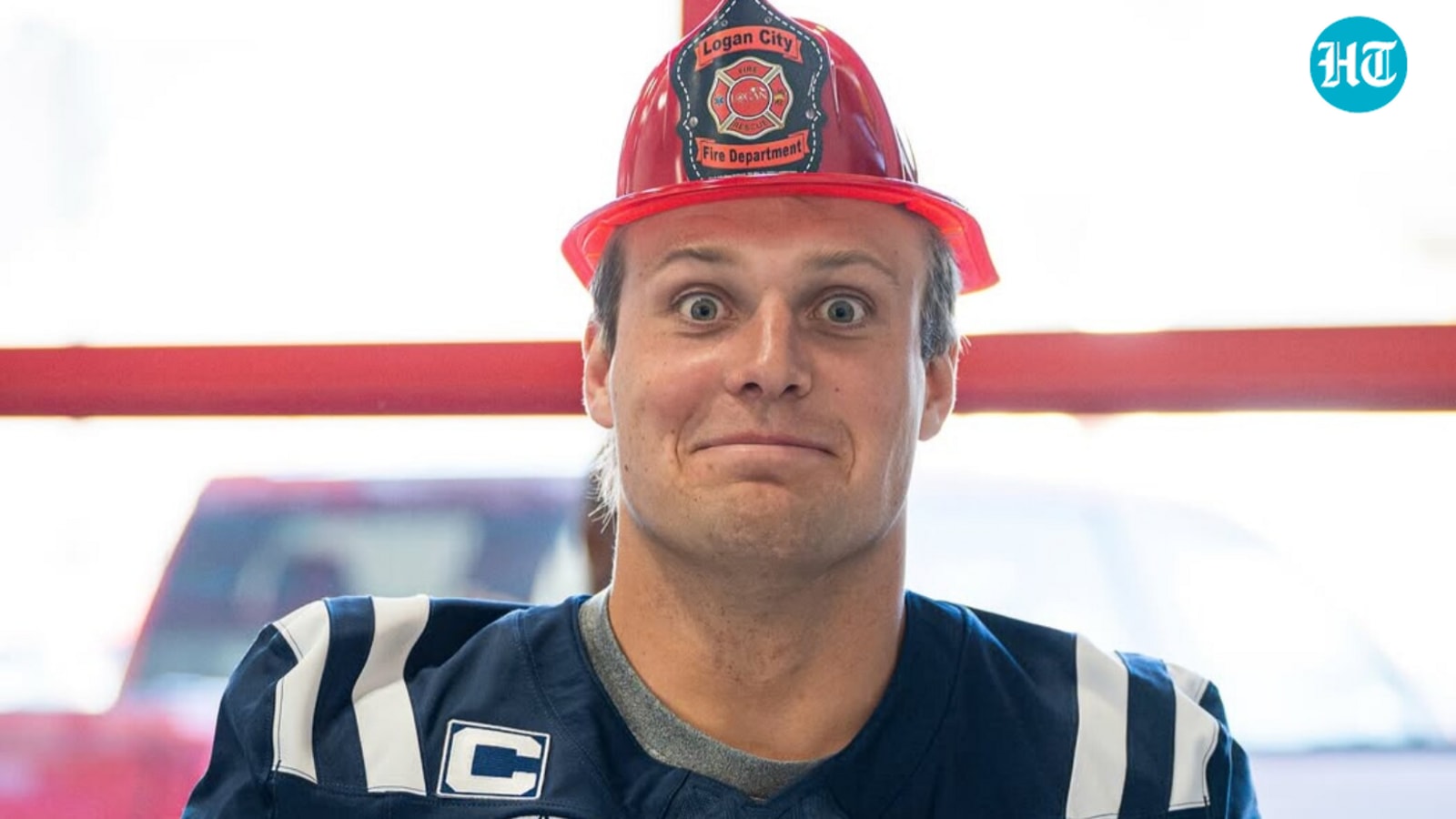
Utah State linebacker Harrison Taggart suffered a significant neck and leg injury during a game against the Utah Utes. He was carted off the field after a seven-minute medical delay but provided a reassuring gesture to fans as he left the stadium.
The Incident at Rice-Eccles Stadium
During a high-stakes intra-state college football matchup between the Utah State Aggies and the Utah Utes, the atmosphere shifted from competitive intensity to profound concern. With 8 minutes and 33 seconds remaining in the second quarter, Utah State linebacker Harrison Taggart went down following a play, leading to a prolonged stoppage in play. The scene on the field was described as "scary," with medical staff attending to Taggart for seven minutes while both Utah State and Utah players gathered in a somber display of solidarity.
The Immediate Medical Response
The severity of the situation became apparent as Taggart remained motionless on the field, necessitating the mobilization of specialized medical equipment. Given the nature of the collision, the medical team followed strict safety protocols for a suspected neck and leg injury, ensuring the player was properly immobilized before being placed on a cart. Such incidents highlight the inherent physical risks associated with collegiate football, where high-velocity impacts can lead to unpredictable and potentially career-altering trauma.
A Moment of Reassurance
As the medical cart transported Taggart from the field toward the waiting ambulance, the tension in the stadium remained palpable. However, in a moment that offered significant relief to the coaching staff, teammates, and the spectators in attendance, Taggart raised his fist toward the crowd. This gesture served as a critical indicator of his neurological responsiveness and overall stability, suggesting that while the injury was severe enough to warrant immediate transport, his condition was not as dire as the initial on-field scene had suggested.
Broader Implications for Player Safety
The incident involving Taggart underscores the vital importance of the rigorous medical protocols currently employed in NCAA football. The seven-minute window during which Taggart was attended to represents the industry-standard commitment to "safety-first" officiating. By prioritizing the health of the student-athlete over the pace of the game, medical professionals and officials demonstrate that player welfare remains the paramount concern in modern athletics, even during intense rivalry games.
Looking Toward Future Trends
As college football continues to evolve, the frequency of such injuries remains a focal point for researchers and equipment manufacturers. The focus on neck and spine protection, coupled with improved concussion protocols, is part of a larger ongoing effort to mitigate the dangers of the sport. Moving forward, the focus will likely remain on enhancing protective gear and refining the rapid-response capabilities of medical crews to ensure that when these inevitable accidents occur, the long-term health outcomes for athletes like Taggart are prioritized above all else.
Verification Required?