
Prerequisites for the Audit
Health is a weapon. When the pursuit of purity transforms into a rigid obsession with organic labels and restrictive caloric windows, the body becomes a site of war rather than a vessel for living. Do you actually feel better? To begin this audit, you need a level of honesty that most wellness influencers actively discourage through their curated feeds. You must be willing to admit that your expensive supplements might be doing nothing but taxing your liver and your bank account.
- A physical journal for tracking mood versus restriction
- A complete list of all current supplements and their cost
- A willingness to ignore social media health trends for 30 days
- Basic knowledge of macronutrients from a clinical source
The Weight of Optimization
Rituals are lies. While practitioners claim that intermittent fasting clears the mental fog, the reality often involves a dangerous cycle of bingeing and restriction that erodes the endocrine system. The cost is high. The global wellness economy is now valued at approximately 5.6 trillion dollars, driving a market where health is sold as a luxury product rather than a basic state of being (Source: Global Wellness Institute, 2023). This commodification forces a default state of inadequacy upon the consumer. Why is the goal always more effort?

"Orthorexia is not about the food itself, but the obsession with the quality of the food, leading to a restrictive diet that eventually isolates the individual from their social environment."— Dr. Steven Bratman, Psychiatrist and Co-author of the Orthorexia definition
The fray is real. In closed Slack channels for high-end health coaches, the argument usually centers on whether to prioritize gut microbiome diversity or strict elimination diets for high-net-worth clients. Some argue for total restriction to clear the fog, while others fight for a more inclusive approach to avoid malnutrition. This tension defines the industry. Most clients never see these disputes; they only see the polished result of a singular, rigid methodology.
Truth is elusive. In Seoul, the pressure to maintain a specific aesthetic has led to a surge in extreme detoxing that mimics eating disorders under the guise of health (Source: Korea Herald, 2022). This is not a Western phenomenon. In Mumbai, the commercialization of Ayurveda has led to the proliferation of unregulated supplements that promise spiritual purity but deliver heavy metal toxicity. The terrain is treacherous for the uninformed.
How to Audit Your Wellness Rituals
- Identify the Trigger: Note the exact moment a healthy habit becomes a source of anxiety, such as feeling panic when a meal contains an unapproved ingredient.
- Quantify the Friction: Calculate how many hours per week you spend researching, preparing, or worrying about your wellness routine versus actually enjoying the benefits.
- Test the Absence: Remove one restrictive rule for seven days and monitor your psychological reaction rather than your physical weight.
- Evaluate the Source: Trace the origin of your current health belief to see if it stems from a clinical study or a paid partnership on a social platform.
- Reintroduce Flexibility: Intentionally incorporate a non-optimized meal or activity to break the psychological grip of the purity narrative.
Check your motives. If the goal of your health journey is to achieve a state of perfection that requires constant vigilance, you are not practicing wellness. You are practicing control. The shift is subtle. Real health allows for the occasional deviation without triggering a mental breakdown or a need for a three-day cleanse.
| Healthy Habit | Toxic Manifestation | Psychological Marker |
|---|---|---|
| Balanced Nutrition | Orthorexia | Fear of contaminated food |
| Mindfulness | Toxic Positivity | Suppression of negative emotion |
| Regular Exercise | Exercise Addiction | Guilt when missing a session |
| Sleep Hygiene | Orthosomnia | Anxiety over sleep tracking data |
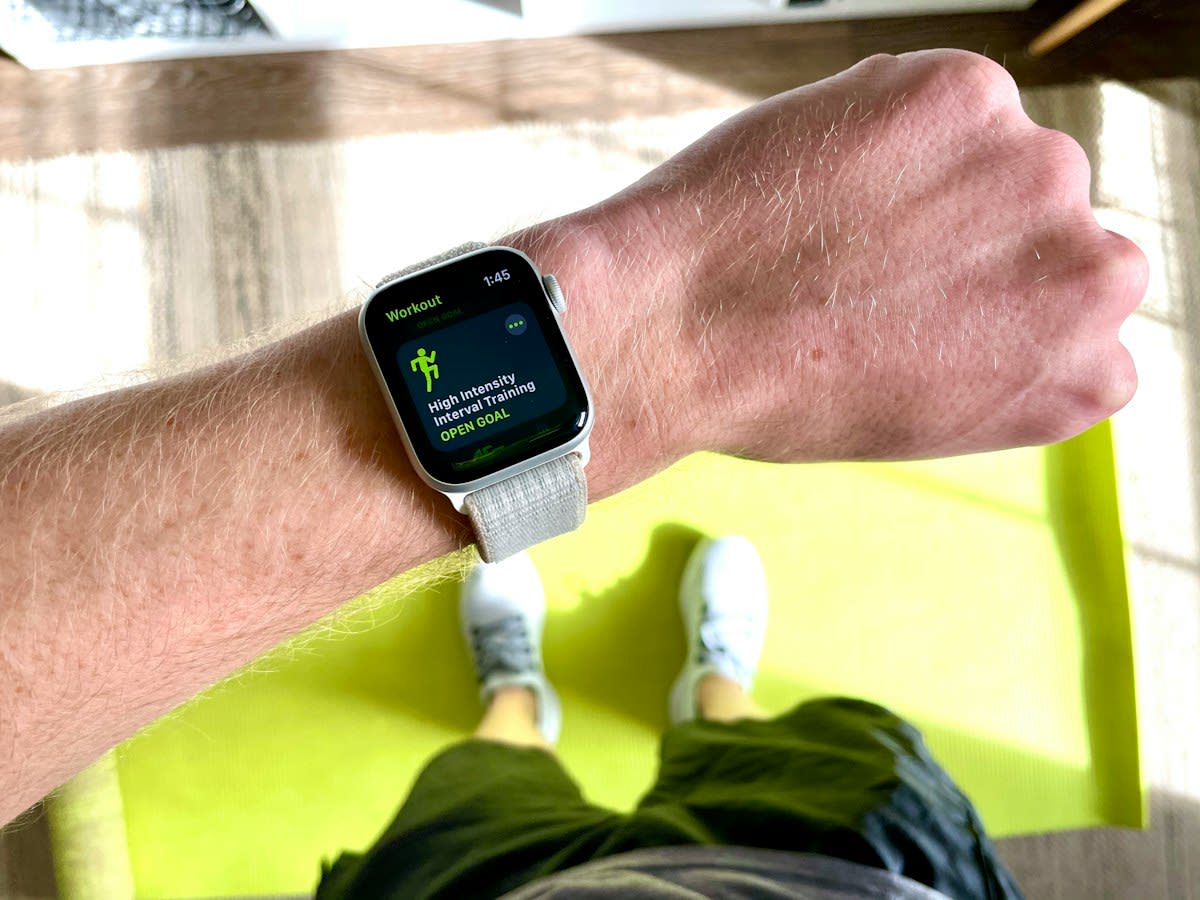
Data can lie. Many users become obsessed with wearable tech, treating a low sleep score as a biological failure rather than a variance in human experience. This is called orthosomnia (Source: Journal of Clinical Sleep Medicine, 2017). The tool becomes the master. When the app tells you that you are tired, you feel tired, regardless of your actual physical state.
Common Pitfalls in Recovery
- The Pendulum Swing: Moving from extreme restriction to total chaos, which creates new instabilities in the body.
- The Natural Fallacy: Believing that anything labeled natural is inherently safe or superior to synthetic alternatives.
- Validation Seeking: Replacing one wellness community with another that simply uses different terminology for the same rigidity.
- Over-reliance on Bio-markers: Trusting a blood test more than your own subjective feeling of well-being.
Avoid the swing. Recovery is not about abandoning health but about integrating it into a life that includes imperfection. The staying power of a habit depends on its flexibility. If a routine cannot survive a flight to a different continent or a family dinner, it is a cage, not a tool.
Fact-Check & Accuracy Note
The data on orthorexia remains largely qualitative due to the lack of a formal DSM-5 diagnosis. Most studies rely on the ORTO-15 screening tool, which is widely accepted in clinical psychology but still subject to academic debate regarding its sensitivity in non-clinical populations. All statistics regarding the wellness market are based on aggregate spending rather than health outcomes.
Editorial Note
This guide is written from the perspective of a practitioner who has witnessed the mechanical failure of extreme biohacking. The goal is not to demonize health optimization but to highlight the threshold where optimization becomes pathology.