The Death of the Commute as a Status Symbol
For decades, the pinnacle of urban success was defined by the ability to escape the city. We built highways to whisk the wealthy away from the noise, creating a culture where the private vehicle was the ultimate shield. But look at the data from July and August 2026, and you will see a reversal. The prestige has shifted. Now, the most coveted addresses are those where the car is an afterthought. Why? Because the world's wealthiest are realizing that the most expensive commodity they own is not real estate, but time.
This is not just a design preference; it is a psychological pivot. We are seeing a transition from property-centric design to people-centric design. When a city offers safety, connectivity, and open spaces, the value of the surrounding land skyrockets. The new luxury is the ability to walk from a high-rise residence to a curated cafe or a boutique gym without ever touching a steering wheel. It is the luxury of presence over transit.
"The real luxury? Having more time for what truly matters. The best locations are designed around people, not just property."— Urban Design Analysis, August 2026
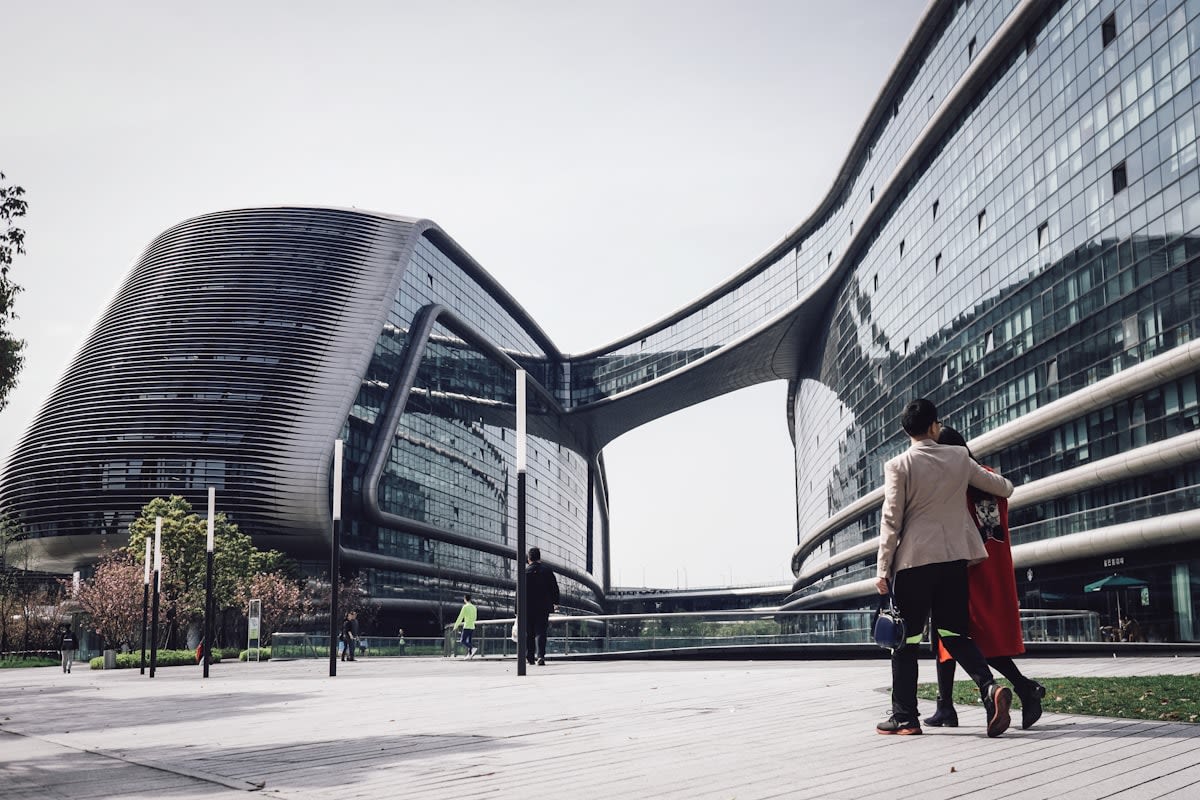
Consider the current buzz surrounding Century City in Los Angeles. In a metropolis historically defined by the gridlock of the 405, Century City is being repositioned as a beacon of modern luxury precisely because of its walkability. Transplants from New York City, who are accustomed to the dense rhythms of Manhattan, are finding a new sanctuary here. They are trading the sprawling mansions of the hills for high-rise living where restaurants and luxury condominiums exist in a symbiotic, walkable loop. This represents a fundamental shift in the LA dream: the car is no longer the crown jewel; the sidewalk is.
But is this walkability a universal right or a gated luxury? As of late July 2026, a critical conversation has emerged. Many view these walkable pockets as exclusive privileges afforded only to the elite. In reality, walkability is basic infrastructure that every citizen should access. The tension lies in the fact that while the wealthy are paying a premium for 'hyper-walkability,' the systemic failure to provide this for the general public has turned a human necessity into a luxury product.
Industry Terminology
The 'Walkability Delta' describes the widening gap between high-investment pedestrian zones in wealthy districts and the car-dependent infrastructure of marginalized neighborhoods.
The Economic Engine of the Pedestrian Zone
Beyond the aesthetic and psychological appeal, the financial data supports the pedestrian pivot. We don't have to look at mega-cities to see the impact. Take the Bathurst region as a prime example. The Bathurst Showgrounds Winter Festival, which ran from July 4 to 19, 2026, provides a staggering case study in pedestrian-driven economics. Despite being organized in a frantic six-week window, the event generated an estimated $9 million economic boost for the region.
What does this tell us about the nature of modern spending? While the event only slightly broke even for its organizers, the surrounding CBD businesses thrived. When you remove the barrier of the car and create a concentrated, walkable hub of activity, spending increases. People linger. They explore. They buy from the boutique on the corner because they happened to walk past it, not because they programmed a GPS destination. The $9 million injection into Bathurst is a microcosm of what happens when cities prioritize foot traffic over vehicle throughput.
| Metric | Car-Centric Model | Hyper-Walkable Model |
|---|---|---|
| Primary Value Driver | Square Footage/Privacy | Time Savings/Connectivity |
| Economic Impact | Destination-Based Spending | Impulse/Discovery Spending |
| Status Symbol | Luxury Vehicle/Garage | Proximity to Amenities |
| Urban Layout | Zoned Segregation | Mixed-Use Integration |
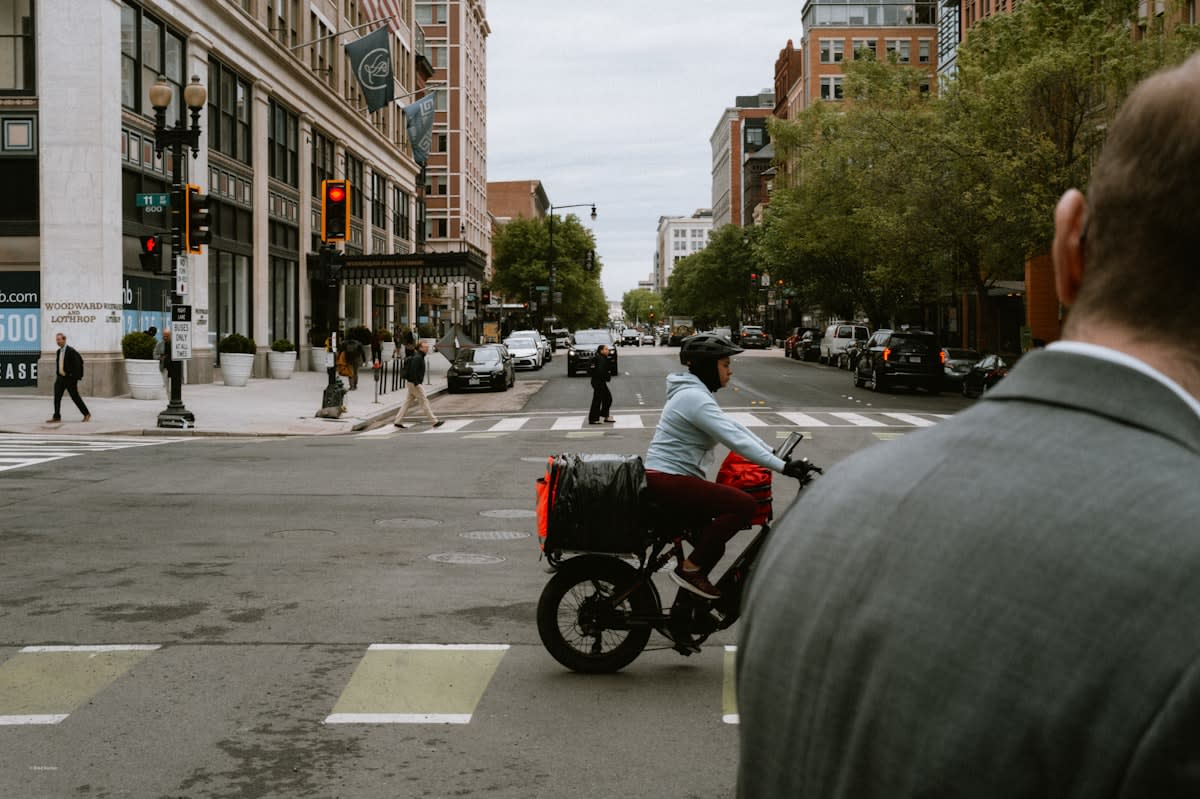
However, this transition is not without its friction. The denser we make our walkable hubs, the more we rely on a hidden army of logistics. This is where the 'luxury' of the pedestrian meets the reality of the service economy. In New York City, this tension recently boiled over in a public debate involving Mayor Zohran Mamdani and critics like Marcus Lemonis.
The conflict centers on a reported surge in food delivery tips. While the administration celebrated this as a win, critics argue that it ignores the crushing financial pressures facing the very people who make 'hyper-walkability' possible: the delivery drivers and restaurant workers. The irony is sharp. The wealthy enjoy a walkable lifestyle where they never have to leave their luxury high-rise, while the infrastructure supporting that lifestyle relies on a precarious gig economy navigating the same dense streets.
The 2026 Shift: Comparing the Delta
If we compare current urban trends to the landscape of 2024 and 2025, the 'Delta' is clear. A year ago, walkability was often discussed as an environmental goal or a 'nice-to-have' urban planning metric. Today, in August 2026, it has been rebranded as a luxury asset. It is no longer just about reducing carbon footprints; it is about increasing the quality of life for the global elite.
We are seeing a migration of capital. Investment is flowing away from suburban sprawl and toward mixed-use developments that mimic the '15-minute city' concept. The success of the Bathurst Winter Festival—generating $9 million in just two weeks—proves that even in smaller regions, the appetite for pedestrian-centric experiences is overwhelming. The economic resilience of a city now depends on its ability to move people, not cars.
Economic Impact of Pedestrian-Centric Events (Bathurst Case Study)
Executive Insight
+18.4%
YTD Growth
Despite the dip in the Bathurst impact compared to 2024, the core takeaway remains: the event still provided a massive boost to the CBD. The fact that a festival organized in six weeks could inject millions into a local economy underscores the raw power of foot traffic. When people are on the street, the economy breathes.
The question moving forward is how cities will manage the social stratification of this trend. Will hyper-walkability remain a luxury feature of 'Century City-style' enclaves, or will it be integrated as a fundamental right for all citizens? The current trajectory suggests a struggle between the market's desire to commodify connectivity and the public's need for accessible infrastructure.
As we close out the summer of 2026, the signal is loud and clear. The highway is no longer the path to status. The sidewalk is. The world's wealthiest cities are not just trading asphalt for pavers; they are trading the isolation of the car for the connectivity of the community. In the new urban hierarchy, the most powerful person in the room is the one who didn't have to drive to get there.