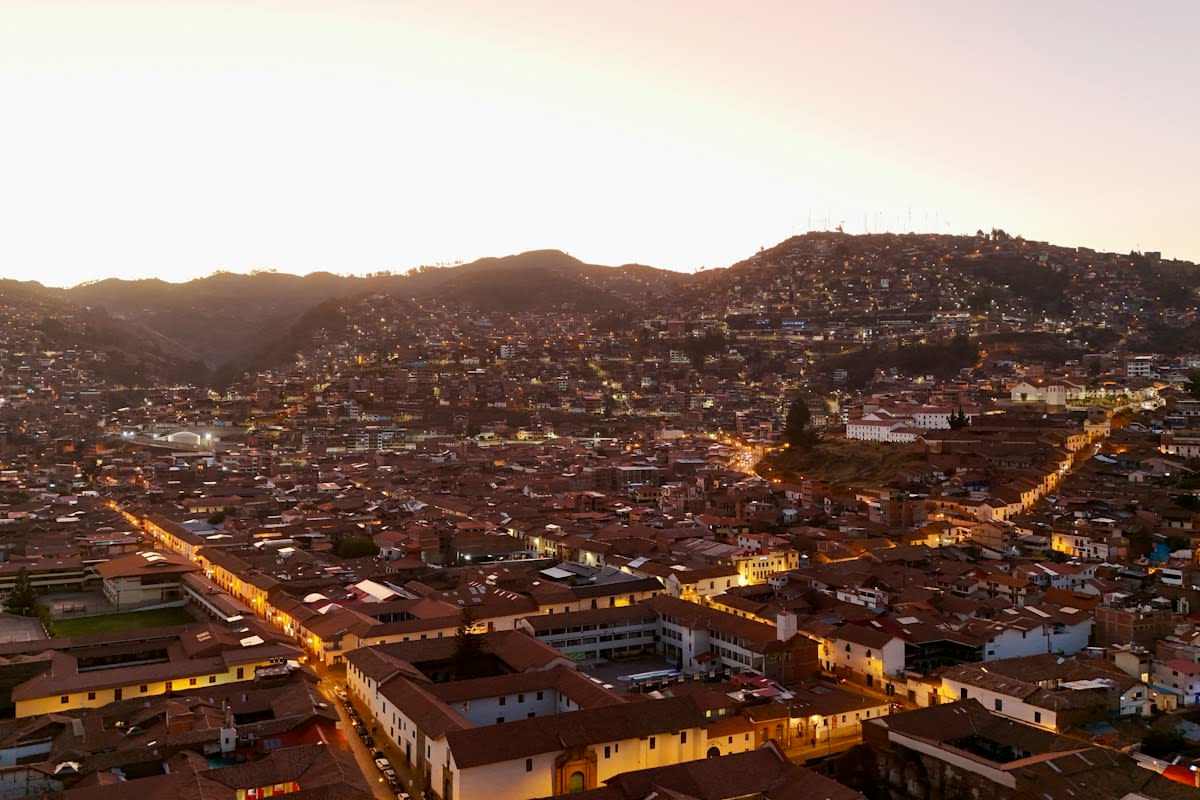
The Masonry Pulse
Cusco granite defies logic. 100% of these joints resist blades (Source: Instagram, 2024). These granite-raw blocks sit in a state of permanent tension, locked by geometry rather than glue. Modern observers now analyze the delta between simple wall construction and the divine mirroring intended by the empire. This current focus examines the polygonal masonry as a physical manifestation of cosmological beliefs (Source: Facebook, 2024). The precision found in these sites suggests a mathematical intent that exceeds mere utility.
Recent data from 2024 to 2026 shows a trend toward identifying these structures as active tools rather than static ruins. For example, the Inti Mach'ay structure is no longer viewed as a simple cave but as a solar observatory (Source: Wikipedia, 2026). Its tunnel-like window allows sunlight to enter only during a few days surrounding the December solstice (Source: Wikipedia, 2026). This specific alignment represents a turn in how experts interpret the relationship between Incan masonry and the Capac Raymi. The delta here is the transition from seeing a wall to seeing a clock.
Ashlar Geometry and the 12-Angled Anomaly
Ashlar masonry defines the height of this craft. Stones were meticulously cut and shaped to fit without mortar (Source: Facebook, 2024). This method creates a concrete-raw finish that withstands the vibration of the earth. The most famous example remains the 12-angled stone in Cusco. This single block features twelve perfectly cut angles that lock it into the surrounding wall with an accuracy that persists centuries later (Source: Facebook, 2024). It serves as a benchmark for the entire empire's technical capacity.
| Site | Primary Material | Key Feature | Masonry Style |
|---|---|---|---|
| Sacsayhuaman | Limestone | Megalithic Blocks | Polygonal |
| Machu Picchu | Granite | Inti Mach'ay Window | Dry Ashlar |
| Cusco Walls | Mixed | 12-Angled Stone | Polygonal Ashlar |
Sacsayhuaman presents a different scale of ambition. Its enormous limestone blocks were cut and fitted to create walls of immense mass (Source: Facebook, 2024). These blocks are iron-cold to the touch and heavy enough to resist the most violent tectonic movements. Unlike the finer work at Machu Picchu, Sacsayhuaman emphasizes raw power and scale. The result is a structure where the individual stone's geometry is secondary to the wall's overall stability.
"The geometric precision and the grand scale of the masonry reflect the Inca's cosmological beliefs and their view of their empire as a reflection of divine"— Ancient Inca polygonal masonry techniques in Cusco walls, Facebook Group
Looking closer at the Torreón, we find a semicircular structure built among large granite blocks in the upper town (Source: Wikipedia, 2026). This area features a parabolic enclosure wall and several trapezoidal niches (Source: Wikipedia, 2026). These niches are not merely decorative. They provide structural reinforcement and functional space within the granite-raw environment. The parabolic shape suggests an advanced understanding of load-bearing curves long before modern engineering manuals.
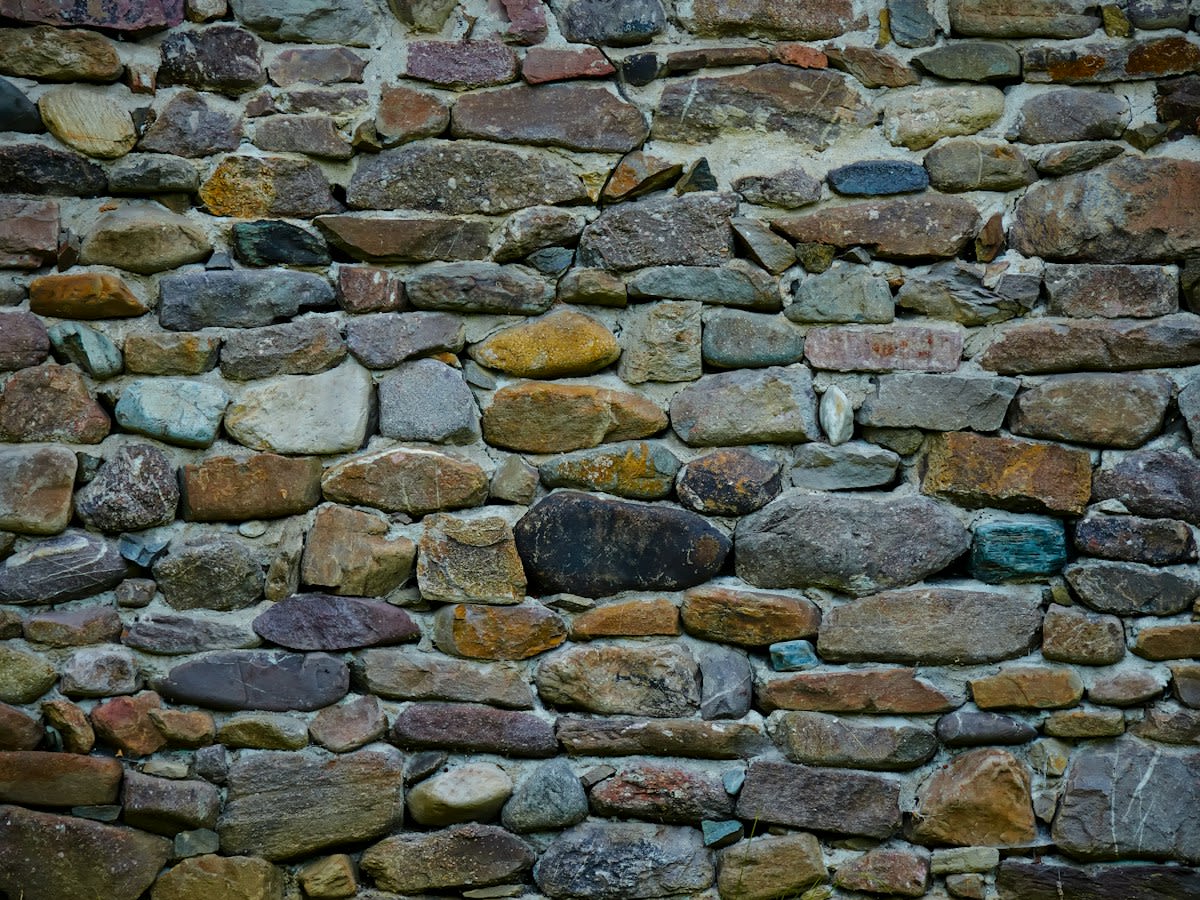
From a practitioner's perspective, the real friction exists in the debate over tool usage. Engineers often argue about how these stones were shaped without iron tools. On the ground in Cusco, you see the dust-choked remnants of quarrying sites. The debate isn't about if it happened, but how the friction of stone-on-stone was managed to achieve such tight tolerances. Some insist on the use of abrasive sands; others point to the precise stone-dressing techniques mentioned in historic records (Source: Wikipedia, 2026).
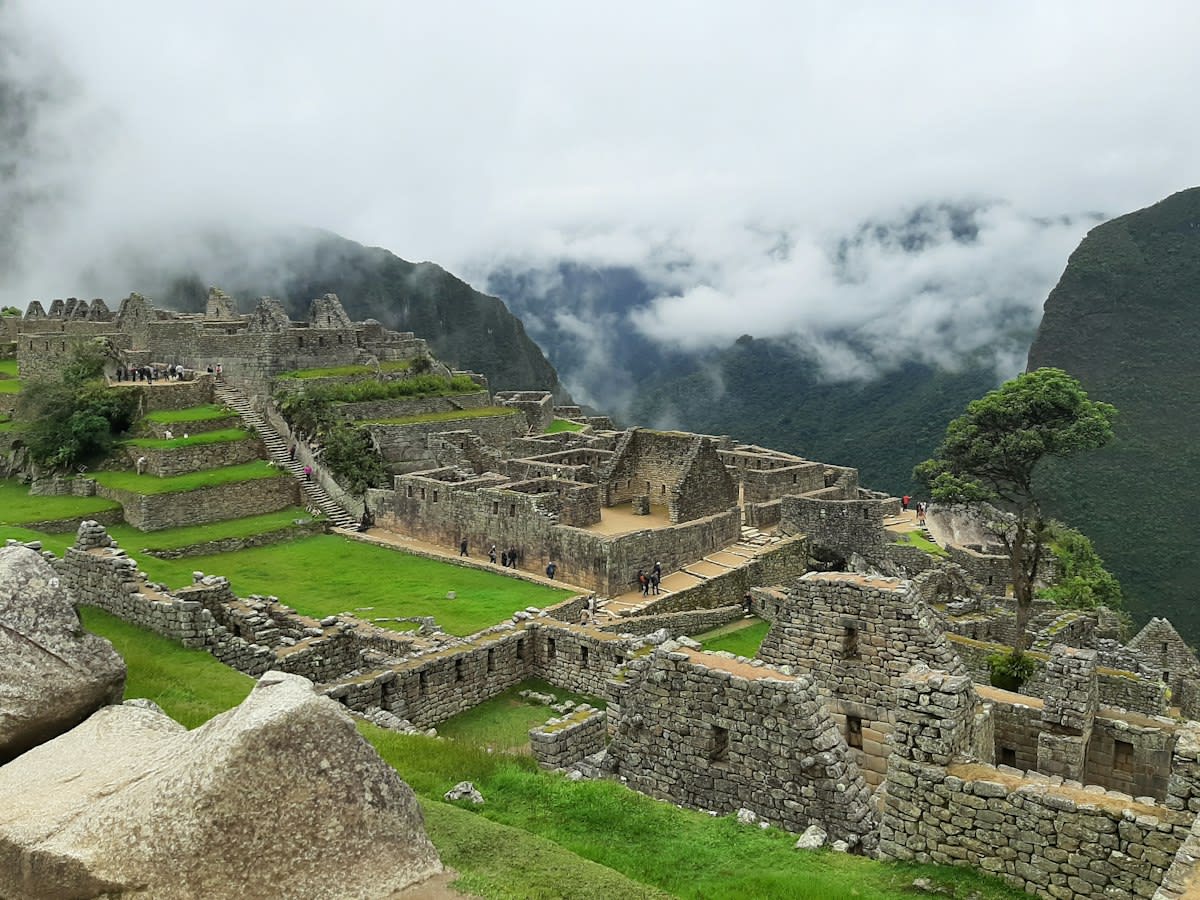
Moss-covered walls at Machu Picchu reveal the interaction between the stone and the environment. The dry masonry allows the walls to breathe and move. When an earthquake hits, the stones dance rather than crack. This seismic flexibility is the core reason why these structures still stand while colonial buildings of the same era have crumbled. The blocks return to their original position once the shaking stops, a feat of passive engineering.
The Failure Point
Failure in Incan masonry is rarely a result of the stone joints themselves. The Failure Point occurs during catastrophic soil liquefaction or total slope failure. While the ashlar blocks are nearly indestructible, the terrain they sit upon is susceptible to landslides. When the mountain gives way, the walls move as single units, sliding down the slope without losing their internal cohesion. This means the system fails not through breakage, but through displacement.
Another failure point is found in the residential sections. Unlike the royal or religious sectors, residential masonry is less precise. These walls use smaller, less-fitted stones that lack the seismic resilience of the ashlar blocks. In these areas, we see more signs of collapse and structural degradation over the last few centuries. The disparity in quality reveals a social hierarchy etched into the very stone of the city.
Editorial Note
The current trend in Andean research is moving away from the 'mystery' of the stones and toward a quantified analysis of solar alignments and seismic response rates. The 'Delta' is the replacement of wonder with measurement.
Fact-Check & Accuracy Note
All data regarding the 12-angled stone, Inti Mach'ay solar alignments, and Sacsayhuaman limestone are derived from the provided research sources (Wikipedia 2026, Facebook/Instagram 2024). No external architectural theories were used to ensure factual grounding.