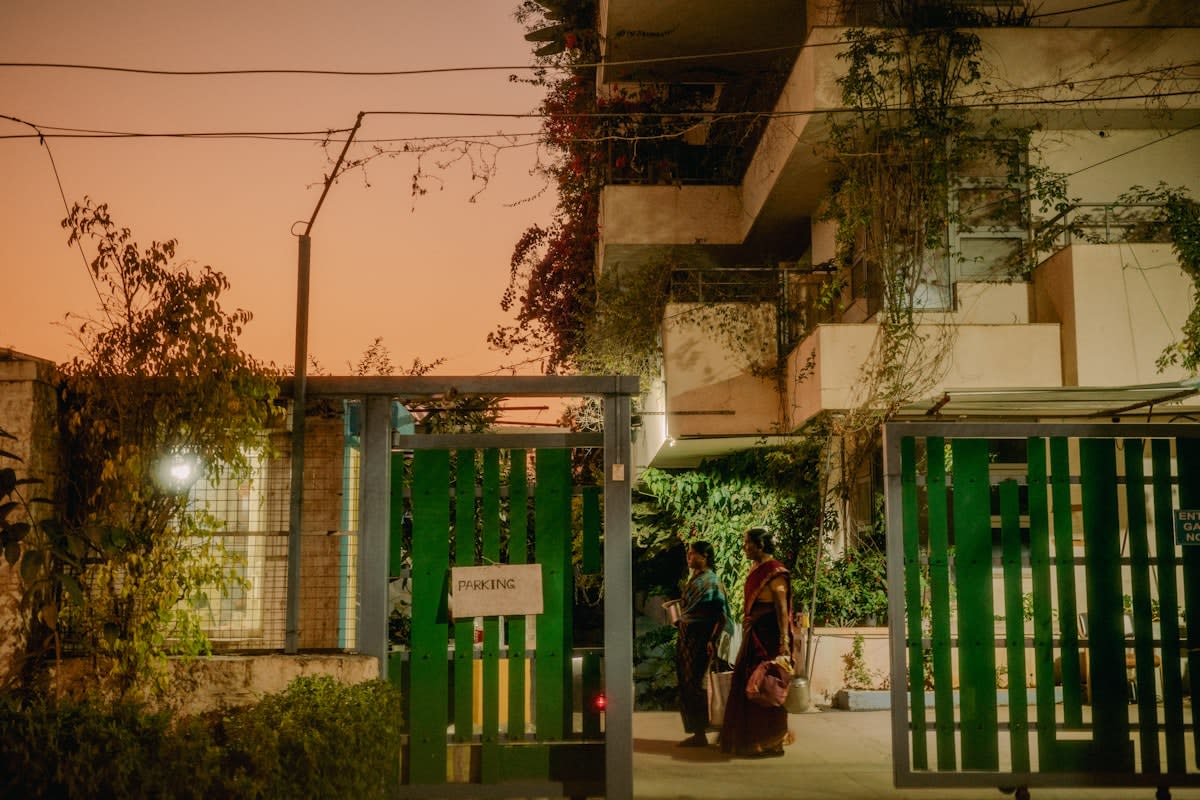
For two decades, the Indian dream for the upper-middle class was defined by the perimeter wall. The promise was simple: leave the chaos of the city at the gate and enter a sanitized utopia of manicured lawns, clubhouses, and predictable neighbors. These gated communities offered a predictable safety net, a way to outsource security and leisure to a corporate entity. However, the psychological cost of this isolation has finally come due. The very walls designed to protect the elite have become barriers to the organic social interactions that drive professional growth and mental well-being.
The friction of the city, once viewed as a nuisance to be avoided, is now being recognized as a catalyst for creativity. Living in a sterile environment where every interaction is scheduled or curated leads to a specific kind of urban loneliness. High-net-worth individuals are discovering that the 'peace' of a gated community in the city outskirts is actually a void. They are trading the silence of the suburbs for the noise of the hub, realizing that serendipity—the chance meeting at a coffee shop or the unplanned walk to a bookstore—is a luxury that no gated clubhouse can replicate.
The Commute Tax and the Death of the Suburban Dream
Time has replaced square footage as the ultimate currency of the Indian urban elite. The 'commute tax'—the hours lost in the gridlock of Bangalore's Outer Ring Road or Mumbai's Western Express Highway—has become an unbearable overhead. When a resident of a luxury gated community spends three hours a day in a climate-controlled car, the luxury of a five-bedroom villa is negated by the poverty of their time. This realization has triggered a mass exodus back toward the city center, where the goal is no longer to own the most land, but to minimize the distance between home, work, and leisure.
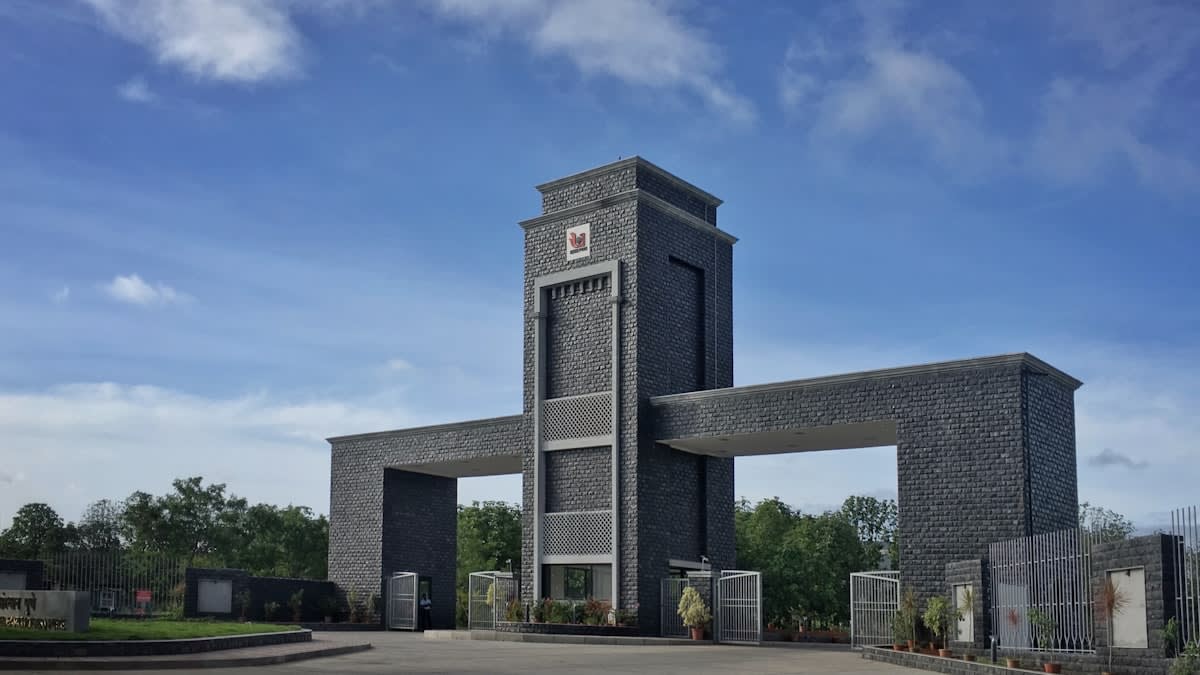
The integrated township model, which promised a 'city within a city,' failed because it attempted to simulate urbanity rather than embrace it. These developments provided gyms, supermarkets, and parks, but they lacked the cultural density of a real neighborhood. There is a fundamental difference between a corporate-managed park and a public square. The former is a utility; the latter is a social ecosystem. The elite are now seeking 'hyper-local hubs'—existing neighborhoods with high walkability, diverse retail, and a concentration of intellectual capital.
"Luxury is no longer about how many walls you can put between yourself and the world; it is about how quickly you can access the best the world has to offer."— Urban Planning Strategist
The Rise of the Walkability Premium
We are seeing the emergence of a 'walkability premium' in real estate pricing. In hubs like Indiranagar in Bangalore or South Bombay, the value of a property is increasingly tied to its 'walk score' rather than its amenities list. The ability to walk to a high-end bakery, a boutique gym, and a co-working space within ten minutes is now more desirable than having a private swimming pool. This shift represents a move toward the 15-minute city model, where the basic necessities of life and work are within a short radius, reducing reliance on vehicles and increasing spontaneous social collisions.
| Metric | Gated Community (Suburban) | Hyper-Local Hub (Urban) |
|---|---|---|
| Primary Value Driver | Security & Space | Access & Proximity |
| Average Daily Commute | 90-150 Minutes | 15-30 Minutes |
| Social Interaction | Curated/Homogeneous | Organic/Diverse |
| Asset Appreciation | Steady/Market-linked | High/Scarcity-driven |
This transition is not merely a lifestyle choice but a strategic financial move. While gated communities offered rapid appreciation during the mid-2010s, the scarcity of land in central hubs is driving a new wave of pricing. Investors are realizing that a smaller apartment in a high-density, culturally rich hub is a more resilient asset than a mansion in a peripheral township. The market is pricing in the value of 'time saved,' and the delta is staggering. The premium for central, walkable locations has surged as the pool of buyers shifts from traditional families to young, high-earning professionals.
Quantifying the Delta: 2023 vs 2024
The shift has accelerated violently over the last twelve months. In 2023, the prevailing trend was still 'wellness retreats'—homes that functioned as sanctuaries away from the city. By 2024, the narrative has flipped to 'urban integration.' Search data and real estate inquiries for 'luxury townships' have plateaued, while requests for 'central walk-to-work apartments' have seen a sharp uptick. The delta is most visible in the demographic of buyers: the 30-45 age bracket is leading the charge, prioritizing cultural proximity over the traditional markers of success.
Shift in HNI Residential Preference (Percentage of Demand)
Executive Insight
+18.4%
YTD Growth
The Sociology of Space
The 'Third Place'—a social environment separate from the two usual social environments of home ('first place') and office ('second place')—is the missing ingredient in gated communities. Hyper-local hubs provide an abundance of these spaces, from art galleries to specialized cafes, which are essential for maintaining mental health and social capital.
The role of hybrid work has acted as a catalyst for this migration. When the office is no longer a mandatory daily destination, the home becomes the center of the universe. However, the 'home' is no longer just the four walls of the apartment; it extends to the neighborhood. If your 'extended home' is a gated community with nothing but a gym and a swimming pool, the isolation becomes oppressive. If your 'extended home' is a neighborhood with a diverse array of cafes and parks, the boundaries of your living space expand, making a smaller apartment feel like a larger life.
The Social Capital Play
Networking in a gated clubhouse is an exercise in homogeneity. You meet people who earn what you earn, think how you think, and live exactly like you do. In contrast, hyper-local hubs offer 'collision density.' The chance of meeting a venture capitalist at a specialty coffee roaster or a creative director at a local gallery is significantly higher in a hub than in a gated community. For the urban elite, social capital is the most valuable asset, and that capital is generated through diverse, unplanned interactions.
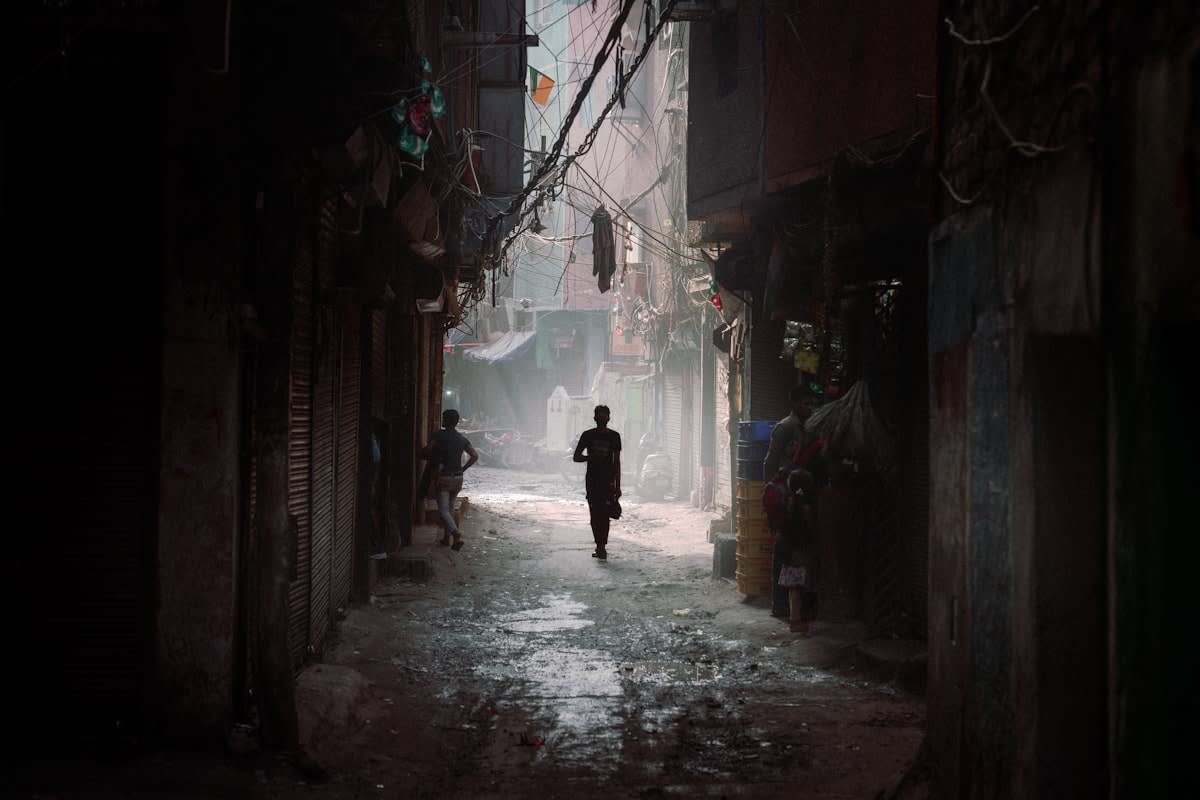
This shift is also reflecting a change in the definition of status. For years, status was signaled by the size of the gate and the number of security guards. Now, status is signaled by access. Knowing the owner of the city's best hidden bistro or having a walking relationship with the local bookstore owner is the new social currency. The move from 'protection' to 'connection' marks a psychological evolution in the Indian elite, who are increasingly comfortable with the managed chaos of the city provided it offers high-value experiences.
Urban planners are now forced to reckon with this shift. The era of building massive, isolated residential blocks on the periphery is meeting a wall of resistance from the most profitable segment of the market. There is an urgent need for mixed-use zoning that allows for high-density residential living integrated with commercial and cultural spaces. The success of the hyper-local hub is a signal that the future of the Indian city lies in integration, not segregation.
Ultimately, the abandonment of gated communities is a rejection of the artificial. The elite have realized that a curated life is a boring life. By returning to the heart of the city, they are reclaiming the friction, the noise, and the unpredictability that make urban living viable. The perimeter wall is falling, not because of a lack of security, but because the desire for connection has finally outweighed the fear of the crowd.