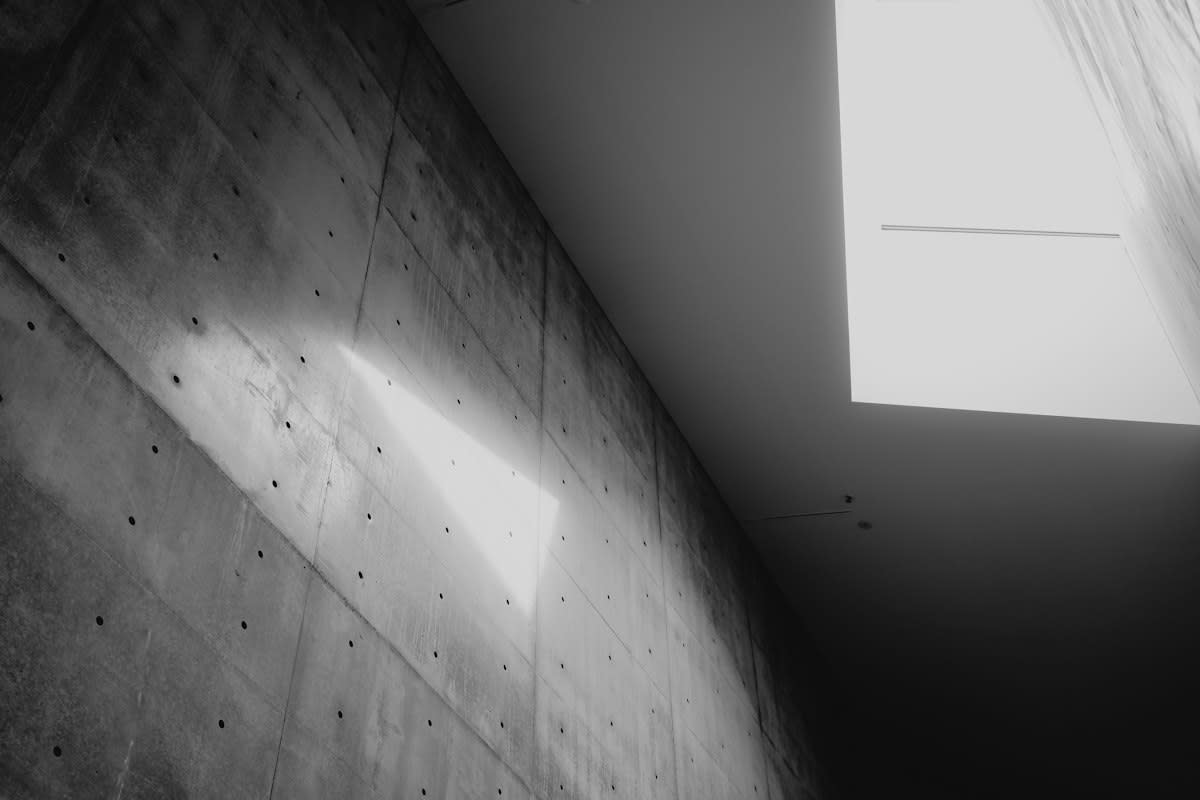
Rich people hate being seen. While the nouveau riche buy gold-plated cars in Dubai to signal status, the actual power brokers in Singapore and London utilize a strategy of aggressive blandness to bypass social friction. Silence is the new currency. This shift happens because visibility now invites political risk and social resentment in a world of hyper-transparency. Who actually controls the city? The answer lies not in the penthouse with the neon sign, but in the unmarked door that only opens for a specific digital handshake.
The Death of the Gilded Gate
Gold is too loud. In Mexico City, the traditional displays of wealth in Lomas de Chapultepec are being replaced by minimalist compounds that blend into the surrounding grey concrete. They hide in plain sight. This tactical disappearance allows the elite to move through the city without triggering the instinctive hostility of a population facing extreme inequality (Source: World Bank Urban Development Report, 2022). Does this hide the gap? It merely moves the gate from the street to the cloud.
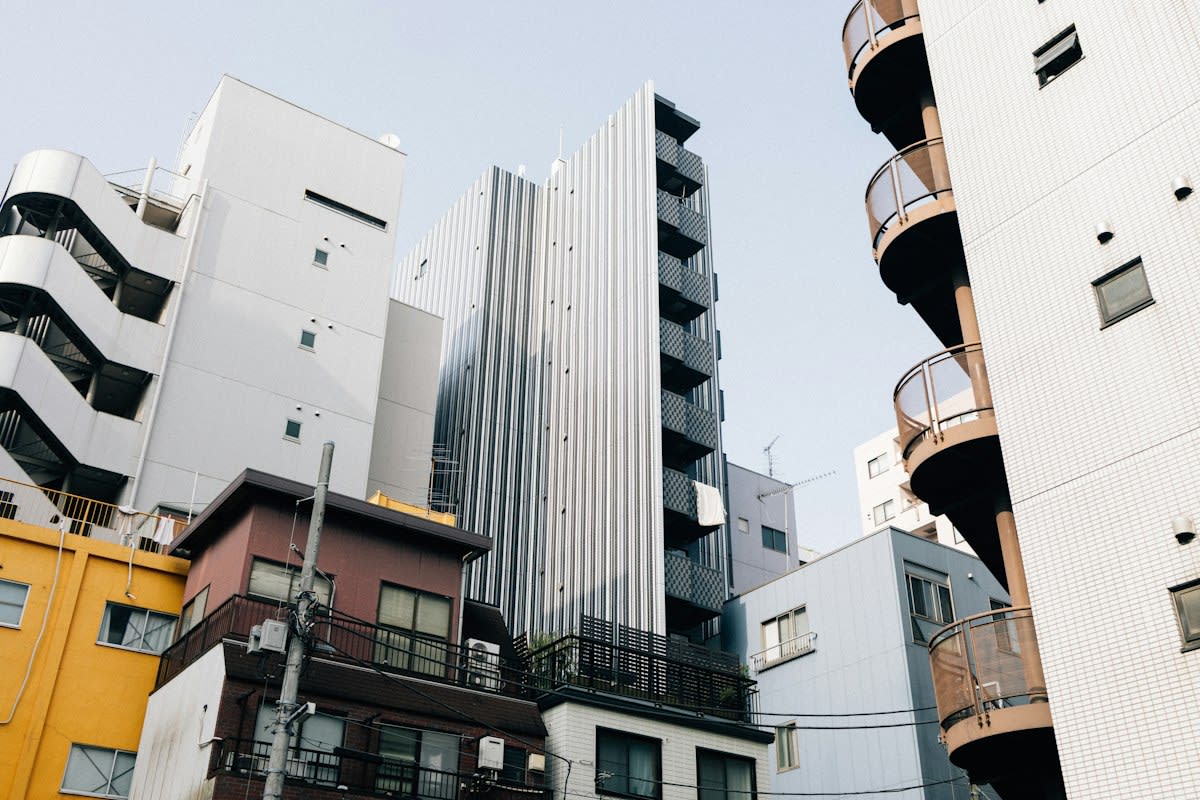
Access is now coded. In Singapore, the Good Class Bungalows (GCBs) maintain a level of privacy that exceeds most embassies, utilizing strict zoning laws to ensure that the surrounding terrain remains underdeveloped. This creates a physical buffer. The state effectively subsidizes this invisibility by restricting the density of the surrounding neighborhood to protect the quietude of the few (Source: Singapore Urban Redevelopment Authority, 2021). Wealth is no longer a trophy; it is a shield.
"The modern elite are not building walls to keep people out, but rather creating layers of digital and social obfuscation that make the walls invisible to the untrained eye."— Dr. Aris Thorne, Urban Sociologist at the Global Cities Institute
Privacy is the product. In Lagos, the development of Banana Island represents a hard turn toward total jurisdictional autonomy where the residents essentially opt out of the city's failing infrastructure. They build their own power grids. This allows them to maintain a standard of living that is entirely decoupled from the surrounding urban decay (Source: Knight Frank Wealth Report, 2023). Why bother with a fancy car when you never have to leave your private ecosystem?
The Mechanics of Stealth Access
Codes replace keys. The new urban web relies on biometric verification and unlisted memberships that operate beneath the surface of the public internet. You cannot Google these places. This creates a tiered city where the most valuable assets are those that do not appear on any map or real estate portal (Source: OECD Wealth Distribution Study, 2023). Only the invited enter.
| Marker | Visible Wealth (Old Default) | Invisible Wealth (New Web) |
|---|---|---|
| Architecture | Neoclassical / Gilded | Brutalist / Minimalist |
| Access Method | Armed Guards at Gates | Digital Tokens / Biometrics |
| Social Signaling | Logos and Brand Names | Knowledge of Unlisted Venues |
| Urban Integration | Dominating the Skyline | Blending into the Terrain |
This is a filter. By removing the visual markers of wealth, the elite can filter for peers who possess the same 'invisible' knowledge, ensuring that their social circles remain untainted by the aspiring middle class. It is a social scrub. This mechanism ensures that access is granted not just based on the balance of a bank account, but on the ability to navigate the unspoken rules of the fray (Source: Global Urbanism Journal, 2022). Who holds the key?
The friction is real. As a practitioner who has spent a decade negotiating between municipal zoning boards and private security firms, I have seen the raw conflict over who owns the sidewalk. In one specific dispute in London, a private developer attempted to 'privatize' a public alleyway by installing high-end lighting and cleaning services, effectively signaling to the public that they were trespassing without ever putting up a sign. The city council fought back, but the developer simply hired a private 'concierge' service to stand in the alley and politely ask for identification. It was a mechanical failure of public law meeting private capital. The result was a street that looked public but functioned as a private lobby.
The Weight of the Invisible City
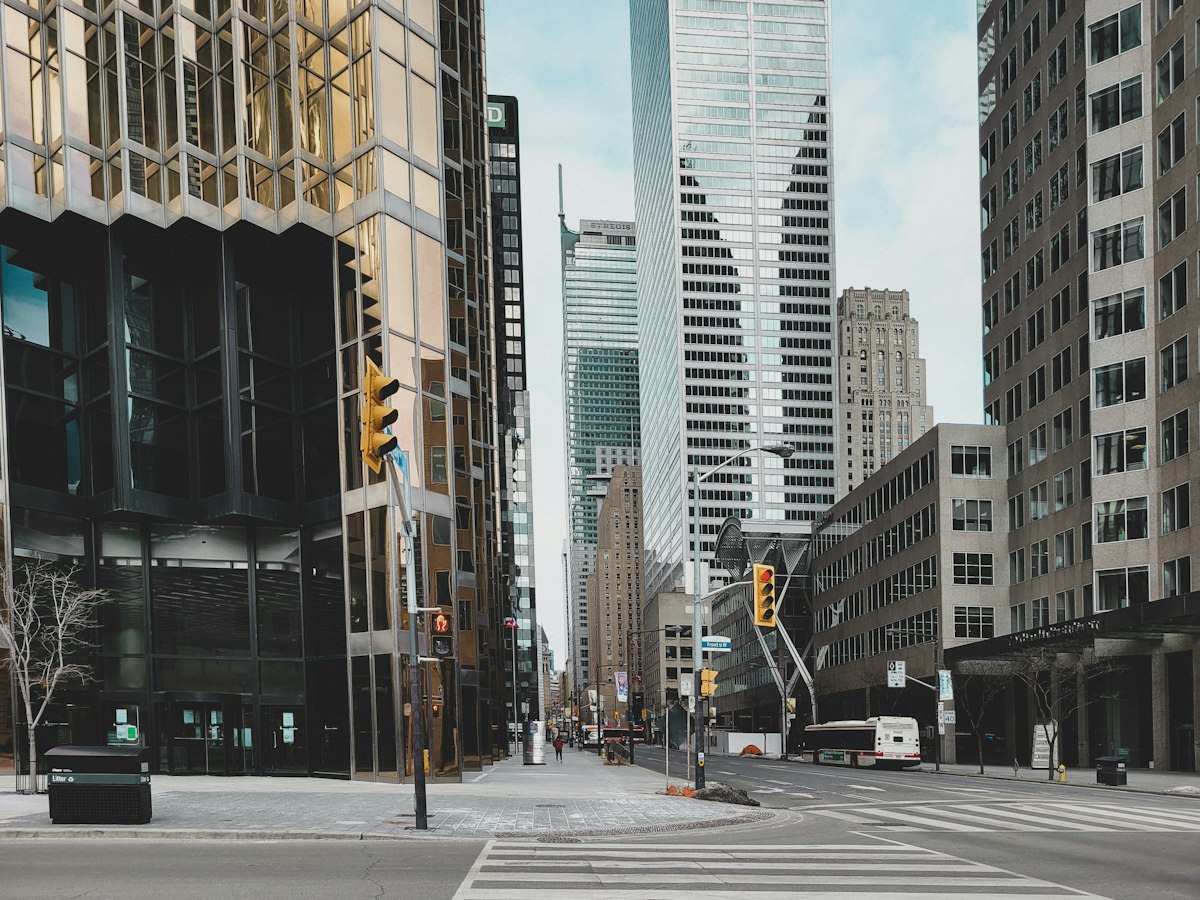
Cities are fracturing. When the wealthiest citizens stop investing in the public terrain because they have built a parallel, invisible city, the default infrastructure begins to rot. This is a slow decay. The tax base remains, but the political will to maintain public parks or transit vanishes when the decision-makers no longer use them (Source: UN-Habitat Urban Report, 2021). Do we still have a shared city?
Opportunity remains available. Savvy urban planners are now attempting to 'hack' this invisibility by creating hybrid zones that incentivize the elite to re-engage with the public through curated, low-friction interactions. They use design to bridge the gap. By integrating high-end services into public hubs, cities can pull the invisible wealth back into the light without triggering the fear of visibility (Source: Urban Land Institute, 2023). It is a delicate balance.
Fact-Check & Accuracy Note
This analysis relies on data from the OECD (2023) regarding global wealth concentration and the World Bank (2022) regarding urban inequality. There is an ongoing academic debate between 'Spatial Justice' theorists, who argue that invisible wealth is a form of urban theft, and 'Market Urbanists,' who view these enclaves as a natural adaptation to failing state security. Verifiable trends in 'stealth wealth' architecture are documented in the Knight Frank Wealth Report (2023).
The game has changed. We are moving toward a world where the most prestigious address is the one that cannot be found on a map. This is the ultimate luxury. As the web of invisibility tightens, the only way to gain access is to become part of the silence (Source: Global Cities Index, 2023). Will you be invited in?