Netanyahu drops demand to lead as he urges rival Gadi Eisenkot to form unity government over Iran threat
Source Entity
The Indian Express
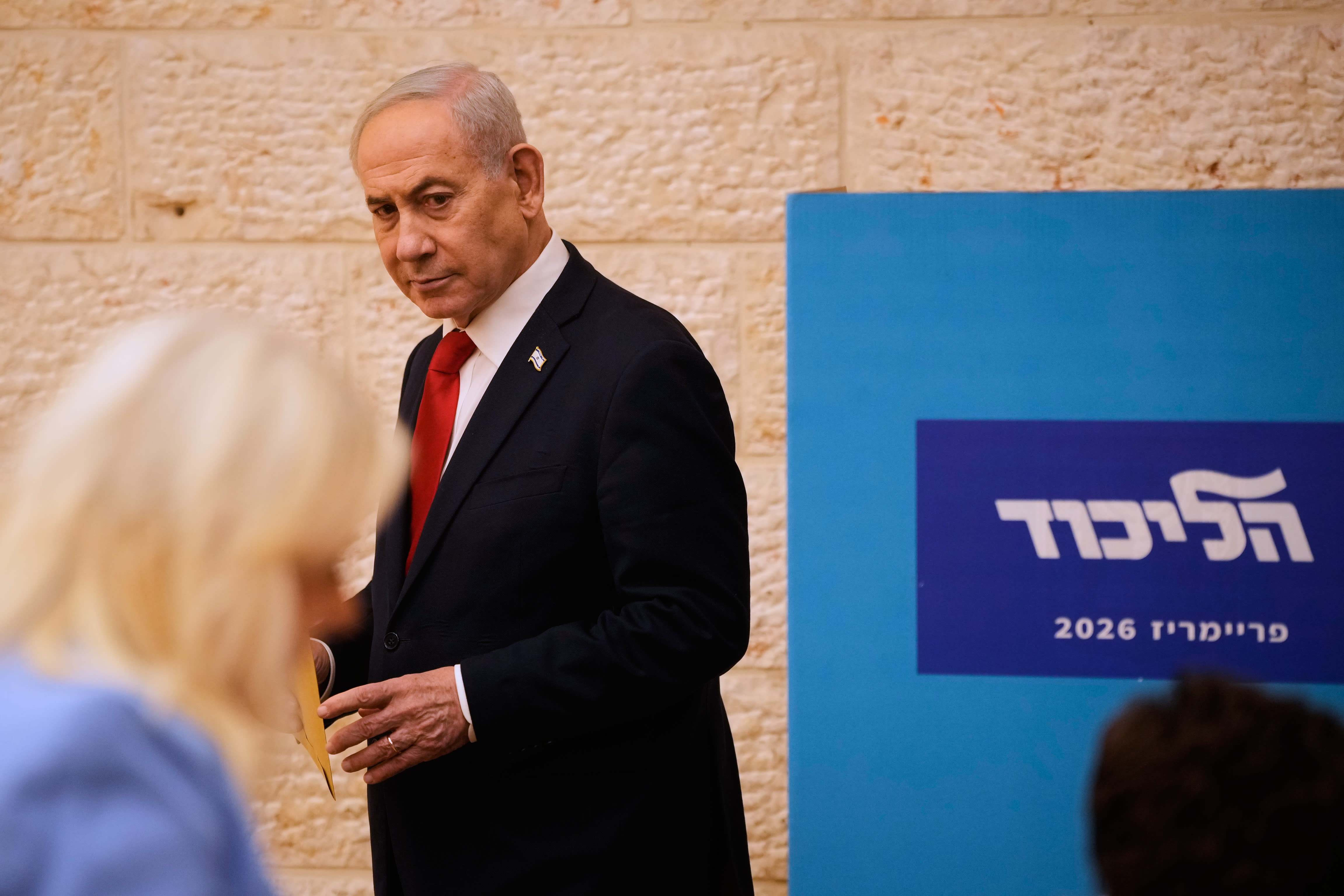
Israeli caretaker PM Benjamin Netanyahu is pushing for a national unity government, citing national security and the Iranian threat. However, his rival Gadi Eisenkot has rejected the overture, labeling it a political trick while he actively negotiates to form his own coalition.
Political Deadlock in Israel: The Unity Government Standoff
The ongoing political friction in Israel has reached a new impasse as caretaker Prime Minister Benjamin Netanyahu continues to advocate for a national unity government. This call comes at a critical juncture, as Gadi Eisenkot, who was recently tasked with forming a new government, navigates a 28-day window to secure a coalition. The public exchange between the two leaders highlights the deep-seated mistrust currently paralyzing the legislative process.
The Strategic Rationale Behind the Unity Proposal
Netanyahu’s appeal for a unity government is framed through the lens of national security, particularly regarding the perceived threat from Iran. By emphasizing the need to "eliminate the Iranian threat once and for all," Netanyahu is attempting to position his political platform as the only viable choice for a unified, secure state. This narrative serves to pressure his rivals by framing opposition as a dereliction of national duty during a time of heightened regional tension.
Eisenkot’s Rejection: A Question of Intent
Conversely, Gadi Eisenkot has been unequivocal in his refusal, famously stating, "These tricks don't work on me." Eisenkot’s dismissal suggests that he views Netanyahu’s overtures not as a genuine effort at national reconciliation, but as a tactical maneuver intended to destabilize his own coalition-building efforts. By characterizing the offer as a "ruse," Eisenkot is actively distancing himself from Netanyahu’s influence to maintain the integrity of his mandate.
Structural Challenges in Coalition Building
Negotiations for the new government are currently fraught with friction, most notably concerning the selection of the Knesset speaker. With both factions fielding opposing candidates, the legislative branch remains divided. Furthermore, Netanyahu’s specific vision for a unity government—which notably excludes Arab parties—creates a significant hurdle. This exclusion complicates the arithmetic required to reach a stable majority and highlights the ideological chasm between the two camps.
The Clock Ticking Toward the Deadline
With a 28-day deadline imposed upon Eisenkot to form a government, the pressure is mounting. The failure to reconcile these competing visions for the country’s leadership suggests that Israel may continue to face significant political instability in the near term. The inability of the two primary leaders to find common ground signals a potential for prolonged gridlock that could affect both domestic policy and regional strategic positioning. As the deadline approaches, the focus remains on whether Eisenkot can overcome these political hurdles or if the current stalemate will necessitate further, more drastic political maneuvers.
Multiple Citing Sources