Why TV screens went blank during India-New Zealand ODI
Source Entity
SAHIL MALHOTRA
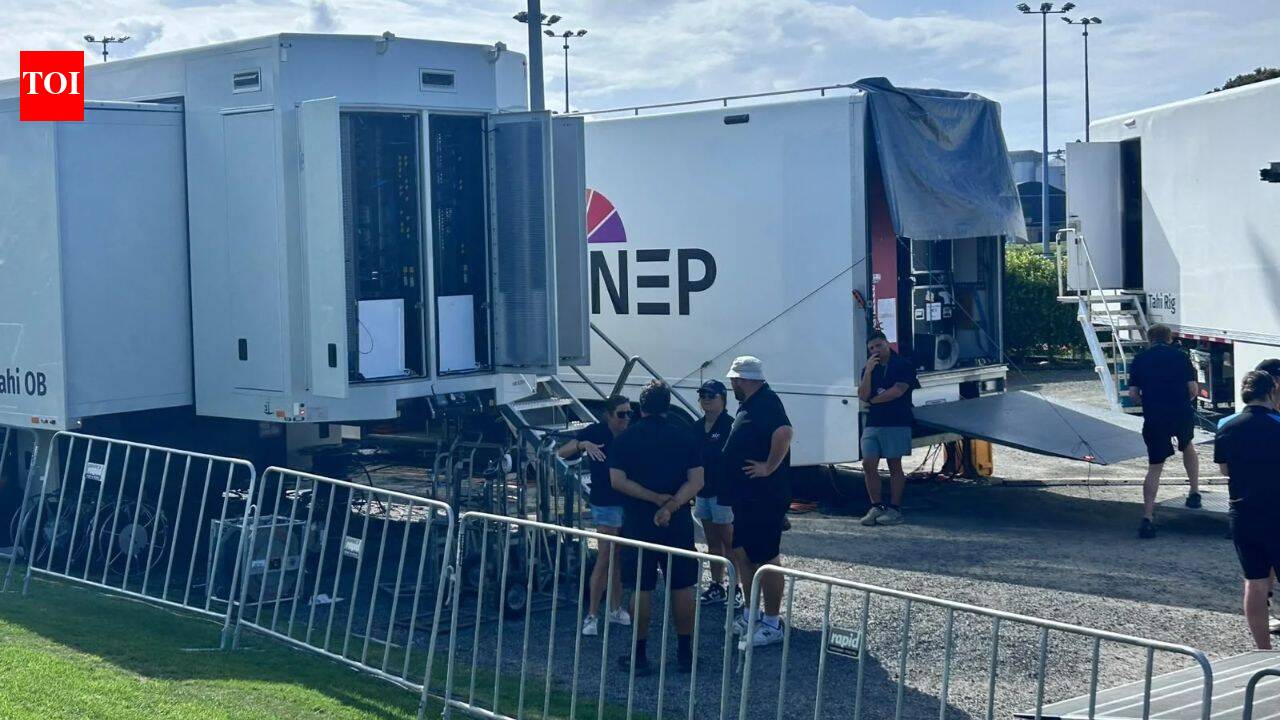
A power outage at the broadcast compound in Mount Maunganui caused a ten-minute suspension of the India vs. New Zealand ODI feed. The disruption forced broadcasters to rely on backup power and alternative camera angles to restore coverage.
Technical Failure Disrupts India-New Zealand ODI Broadcast
On a Sunday that saw high-stakes cricketing action between India and New Zealand, viewers experienced an unexpected interruption as television screens suddenly went blank. The disruption was traced to a significant power failure within the broadcast compound at Mount Maunganui, which halted the live transmission of the fifth ODI. This technical anomaly left millions of fans in India temporarily disconnected from the match proceedings, highlighting the vulnerabilities inherent in complex, live international sports broadcasting.
The Mechanics of the Outage
The core issue stemmed from a failure in the primary power supply at the venue, which necessitated a transition to backup generators. However, the switchover was not instantaneous; it took nearly ten minutes for the secondary power systems to stabilize and restore the feed. Such delays in high-pressure sports broadcasting are rare but underscore the fragile nature of relying on localized power infrastructure in remote or specific sporting venues.
Challenges in Emergency Production
Beyond the power failure, the broadcast team faced logistical hurdles that compounded the production difficulties. Reports indicated that plans to deploy a LiveU camera on one of the camera towers were ultimately scrapped due to severe time constraints. This forced the production crew to scramble, resulting in viewers receiving feeds from unconventional and 'weird' camera angles once the broadcast resumed, as the team struggled to recalibrate their multi-camera setup under duress.
Broadcaster and Fan Impact
Sony Sports Network, the official broadcaster, found itself at the center of this technical storm. For the audience, the ten-minute blackout at approximately 9 AM IST (4:30 PM local time) proved to be a frustrating experience, as the momentum of the live event was broken. This incident serves as a reminder of the immense logistical coordination required to deliver seamless global sports coverage and the difficulty of maintaining perfection when hardware failures occur on-site.
Broader Implications for Sports Broadcasting
This event highlights a broader trend in sports media: the increasing reliance on complex, distributed technology. While modern broadcasts utilize advanced satellite and digital systems, they remain anchored to physical power grids. Future trends in the industry are likely to focus on even more robust redundancy systems—such as uninterruptible power supplies (UPS) capable of handling higher loads—to prevent such lapses from occurring in the future.
Conclusion
While the power outage was a brief interruption in the context of the entire series, it serves as a case study in the risks of live production. The successful resumption of the broadcast, despite the challenges with camera placement and power stability, speaks to the resilience of the production team. Ultimately, the incident reminds stakeholders that even in an age of instantaneous digital connectivity, the physical foundations of broadcasting remain a critical point of failure.