Wicketless in IPL 2026, two-time Purple Cap winner pacer traded from SRH to GT
Source Entity
SHUBHANSHU DWIVEDI
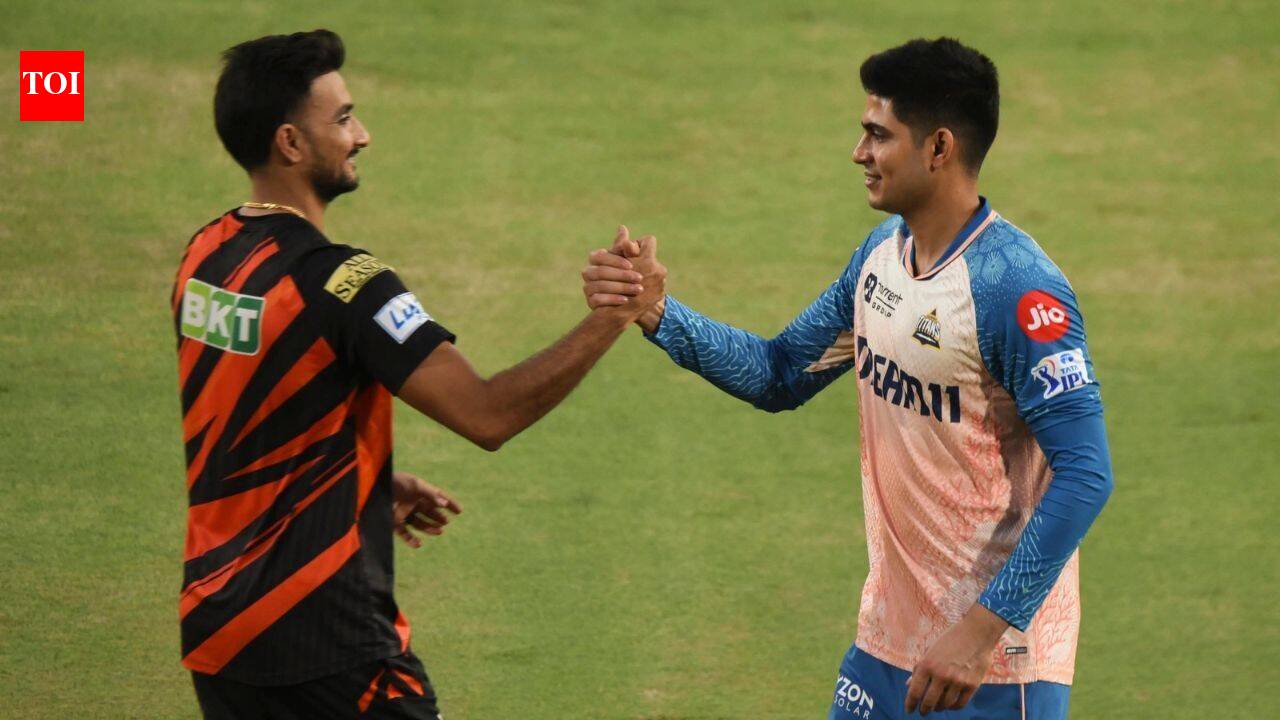
Harshal Patel has been traded from Sunrisers Hyderabad to the Gujarat Titans for INR 4 crore ahead of the IPL 2027 season. This move comes as teams finalize their retention lists amidst uncertainty regarding the availability of high-profile Australian players.
Strategic Shifts in the IPL 2027 Landscape
The Indian Premier League (IPL) landscape is currently witnessing a period of intense strategic realignment as teams approach the critical retention deadline of November 17. Among the most notable developments is the trade of veteran pacer Harshal Patel from Sunrisers Hyderabad (SRH) to the Gujarat Titans (GT) for a consideration of INR 4 crore. This transaction marks a significant chapter in Patel’s extensive career, as he prepares to represent his fifth IPL franchise after participating in 14 seasons of the tournament. The move to Gujarat signifies a calculated gamble by the Titans to bolster their bowling attack with a seasoned campaigner.
The Context of Harshal Patel’s Move
Harshal Patel’s journey in the IPL has been defined by his ability to operate in high-pressure death-over scenarios, a skill that earned him the Purple Cap twice in his career. However, his recent performance, characterized by a wicketless streak in the 2026 season, likely served as a catalyst for his departure from Hyderabad. By moving to the Gujarat Titans, Patel joins a setup that emphasizes tactical discipline under the leadership of captain Shubman Gill. For GT, the acquisition is an effort to regain competitive stability following recent team transitions.
The Australian Availability Dilemma
Beyond individual trades, the broader IPL ecosystem is currently dominated by concerns regarding the participation of Australian cricketers. With a rigorous international calendar ahead—including pivotal Test series against India and England and the potential for a World Test Championship (WTC) final—stars like Pat Cummins, Mitchell Starc, Josh Hazlewood, and Travis Head face significant scheduling conflicts. The industry expectation is that many of these elite players may opt out of the 2027 season to prioritize their international commitments, forcing franchises to rethink their core squad structures during this retention window.
The MS Dhoni Factor
Adding another layer of complexity to the retention period is the status of Chennai Super Kings (CSK) legend MS Dhoni. As the deadline for submitting final lists to the BCCI looms, the 'Dhoni conundrum' remains a focal point for fans and analysts alike. His transition into a mentorship role within the CSK framework indicates a shift in how legacy players are integrated into the modern IPL business model. This evolution reflects a broader trend where teams are increasingly relying on the expertise of veterans to guide younger talent while balancing salary cap constraints.
Implications for Future Trends
As franchises submit their final lists by the 6 PM deadline, the market is bracing for a shift in valuation. The trade of Harshal Patel at INR 4 crore serves as a benchmark for how teams are pricing experience in a market that is increasingly volatile due to international scheduling. The coming season will likely see a surge in domestic talent utilization as teams attempt to mitigate the risks associated with the potential absence of international marquee players. This shift could redefine team building for the next cycle of the IPL, placing a premium on consistency and availability over high-risk, high-reward international assets.
Conclusion
In summary, the trade of Harshal Patel to the Gujarat Titans is emblematic of the current IPL climate, which is defined by strategic caution and a necessity for squad depth. As teams navigate the dual pressures of international cricket schedules and the evolving roles of legendary figures, the 2027 season promises to be a transformative year. The decisions made during this retention period will not only shape the competitive balance of the tournament but will also dictate the financial and tactical trajectories of all ten franchises for the foreseeable future.