Geopolitics & tennis: Belarus’ Sabalenka’s tirade in Svitolina clash goes viral
Source Entity
The Indian Express
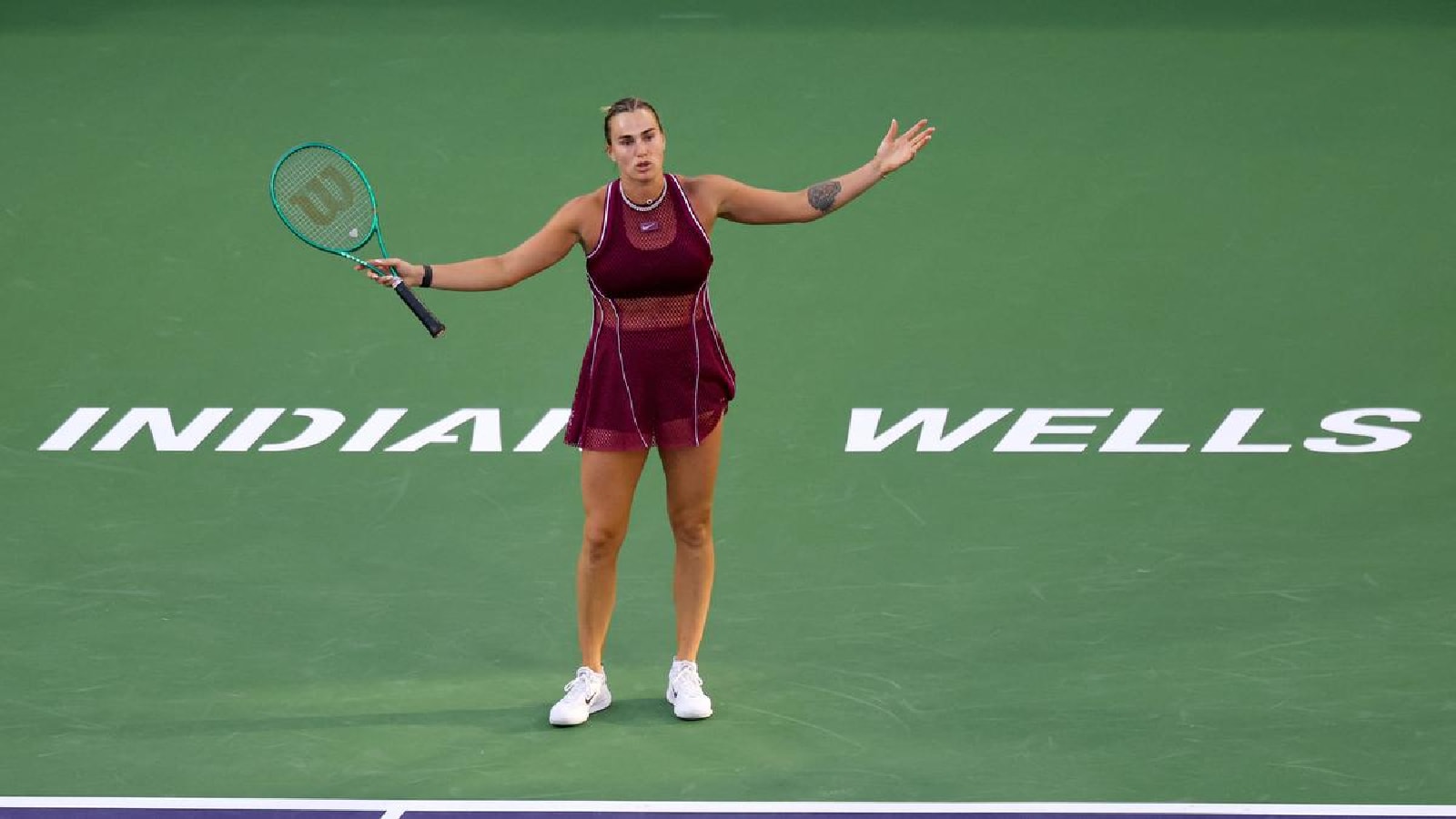
Tensions between Ukrainian and Belarusian athletes have intensified due to the ongoing conflict, leading to viral incidents on the tennis court. Aryna Sabalenka's recent outburst during a match against Elina Svitolina highlights the complex intersection of geopolitics and professional sports.
The Intersection of Geopolitics and Professional Tennis
The landscape of professional tennis has undergone a profound transformation as the ongoing conflict between Russia and Ukraine spills over into the sporting arena. When Ukrainian athlete Elina Svitolina faces competitors from Russia or Belarus, the match transcends traditional athletic competition, becoming a focal point for national sentiment and geopolitical friction. This shift reflects a broader trend where international sports organizations find themselves navigating the delicate balance between maintaining neutrality and acknowledging the harsh realities of global conflict.
The Context of the Svitolina-Sabalenka Matchup
Elina Svitolina has consistently utilized her platform to advocate for her country, maintaining an outspoken stance regarding the invasion of Ukraine. Given that Belarus has been identified as a facilitator of the Russian military operation, the encounter between Svitolina and Belarusian world number two Aryna Sabalenka at the WTA Tour Finals was inherently charged. The match was not merely a battle for ranking points or tournament progression; it functioned as a symbolic stage for the deep-seated grievances born from the ongoing war.
Analyzing the Viral Outburst
During her 6-3, 3-6, 6-1 defeat, Sabalenka was captured on video gesturing angrily and using expletives in Russian. This incident quickly went viral, igniting intense debate across social media platforms. While many observers immediately interpreted the outburst as a targeted insult toward Svitolina or the Ukrainian people, Sabalenka later clarified that her frustration was directed toward her own performance and the behavior of certain spectators at the event. This incident underscores the extreme pressure placed on athletes who must perform under the weight of international scrutiny.
Historical Precedents and Future Trends
This incident is not an isolated event but part of a growing pattern where political tensions influence player interactions. Historically, sports have often served as a proxy for diplomatic relations, but the current era of hyper-connectivity via social media amplifies these moments exponentially. Moving forward, the WTA and other sporting bodies will likely face increasing pressure to establish clearer protocols for handling such encounters, as the emotional toll on players and the potential for public misunderstanding remain significant risks.
Implications for Global Sports Culture
Ultimately, the viral nature of this confrontation highlights the difficulty of separating individual athletes from the geopolitical actions of their home nations. As the conflict persists, the tennis community must navigate the complexities of player safety, fan conduct, and the preservation of competitive integrity. The incident serves as a stark reminder that in an interconnected world, the court is rarely a neutral space, and the actions of athletes are constantly being interpreted through the lens of global political developments.