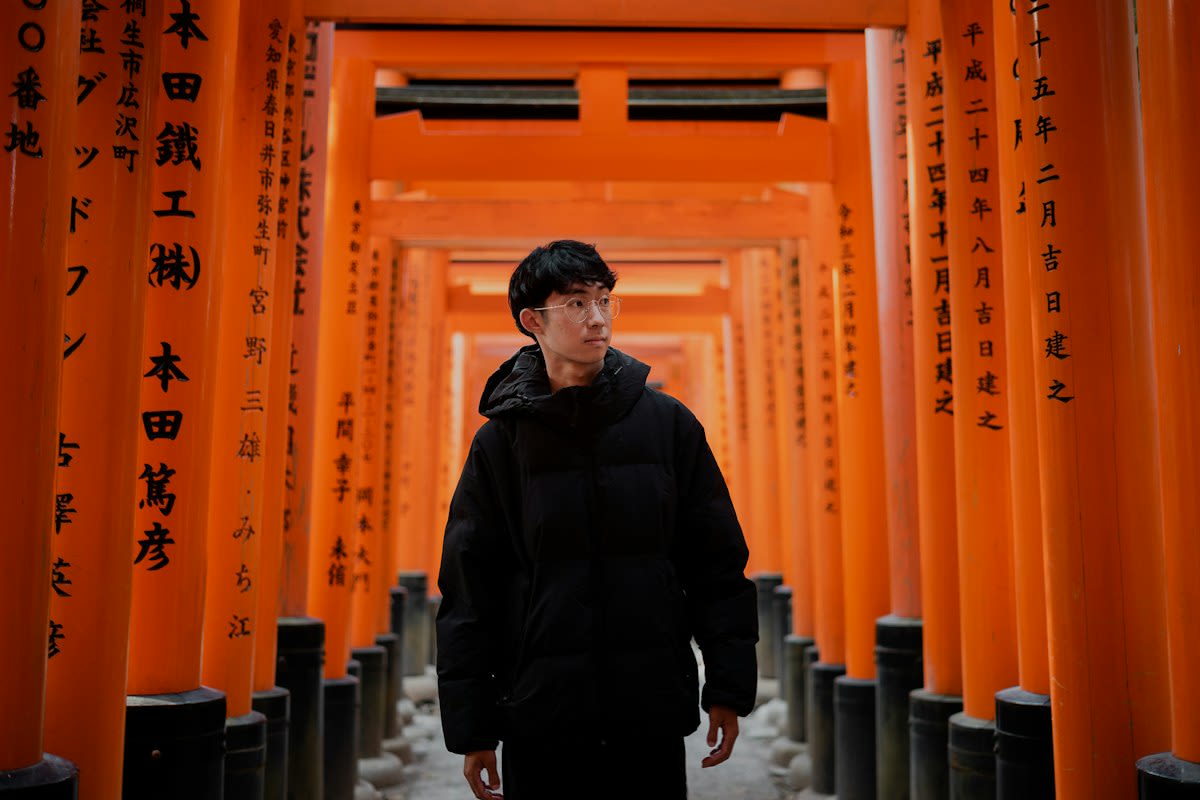
Kyoto temples face pressure. 42 million foreign tourists visited Japan last year (Source: Knox Magazine, 2026). This surge turns sacred spaces into checkpoints for the exhausted. The rush for serenity creates a paradox where the search for quiet becomes a loud, crowded industry. Visitors arrive seeking an escape from modern burnout, yet they often find only the reflection of their own restlessness in the crowds.
The Ritual of the Gate
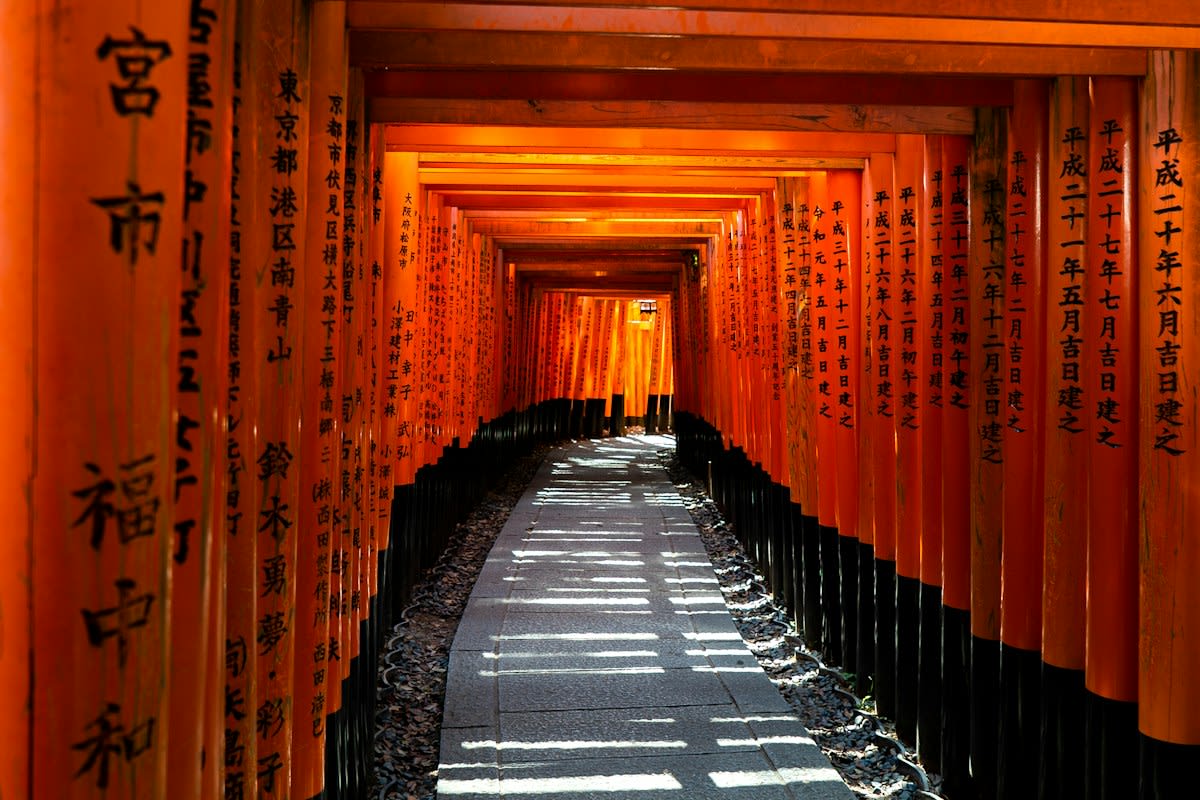
Fushimi Inari Shrine stands as a primary target for this influx. The site features over ten thousand torii gates that snake up Mount Inari (Source: Trovatrip, 2026). Walking these cedar-scented paths, tourists encounter an orange-hued tunnel that promises a spiritual hike. However, the experience often mimics a queue rather than a meditation. The physical act of climbing the mountain is meant to ground the individual, yet the volume of visitors often overrides the intended silence.
Tea ceremonies offer a different, more controlled environment. In these meticulously designed tea rooms, the host uses deliberate and graceful movements to prepare frothy Matcha (Source: Trovatrip, 2026). The practice emphasizes four core values: mindfulness, harmony, respect, and purity. For the visitor, the tatami-rough floors and the scent of steamed greens provide a sensory anchor. This ritual is designed to stop the clock, forcing a confrontation with the present moment.
"Zen doesn't numb the inner storms with chemicals; it trains the mind to see without distortion. It cuts through existential anxiety, identity confusion,"— GuruThanet, Mystic Village Zen Wisdom
The gap between this raw Zen and the modern wellness industry is widening. While Kyoto offers a traditional path, the global market has responded by packaging Zen into digestible, commercial products. We see this in the rise of wellness-centric design where architecture is positioned as an ally in mood and health (Source: Arkular). This approach treats calm as a biological output rather than a spiritual achievement. It replaces the struggle of the inner storm with a biological scorecard.
The Globalization of Calm
Mental health resources are now mimicking temple environments in unlikely places. The SCPS' Zen Den at Auburn University, located in a basement, uses nap pods and biofeedback stations to monitor heart rates (Source: The Plainsman, 2026). Light therapy addresses Seasonal Affective Disorder, while therapy dogs provide emotional support. This is a sterilized version of the monastery. It removes the discipline of the temple and replaces it with amenities designed for immediate stress relief.
High-end resorts take this commodification further. In Qatar, the Zulal Wellness Resort employs Traditional Arabic and Islamic Medicine (TAIM) to treat burnout (Source: Destination Deluxe, 2026). They use Shirodhara, a steady flow of warm oil across the forehead, to soften mental noise. Similarly, the RAKxa resort focuses on nutrient levels and hormones to treat chronic stress (Source: Destination Deluxe, 2026). These institutions treat burnout as a medical failure to be corrected rather than an existential signal to be heard.
| Modality | Core Objective | Primary Tool | Setting |
|---|---|---|---|
| Traditional Zen | Mind-clarity | Tea Ceremony/Meditation | Kyoto Temples |
| Academic Zen | Stress relief | Nap pods/Biofeedback | Auburn University |
| Luxury Wellness | Burnout recovery | Shirodhara/TAIM | Qatar/Thailand Resorts |
This movement toward biological wellness is visible in emerging hubs. From the high-pressure corporate environments of Mumbai to the sprawling urban heat of Lagos, the demand for 'burnout recovery' is skyrocketing. The friction lies in the method. One side offers a biological fix—better sleep, balanced hormones, and ergonomic architecture—while the other offers a mental confrontation. The former treats the symptoms of a broken life; the latter asks why the life is broken.
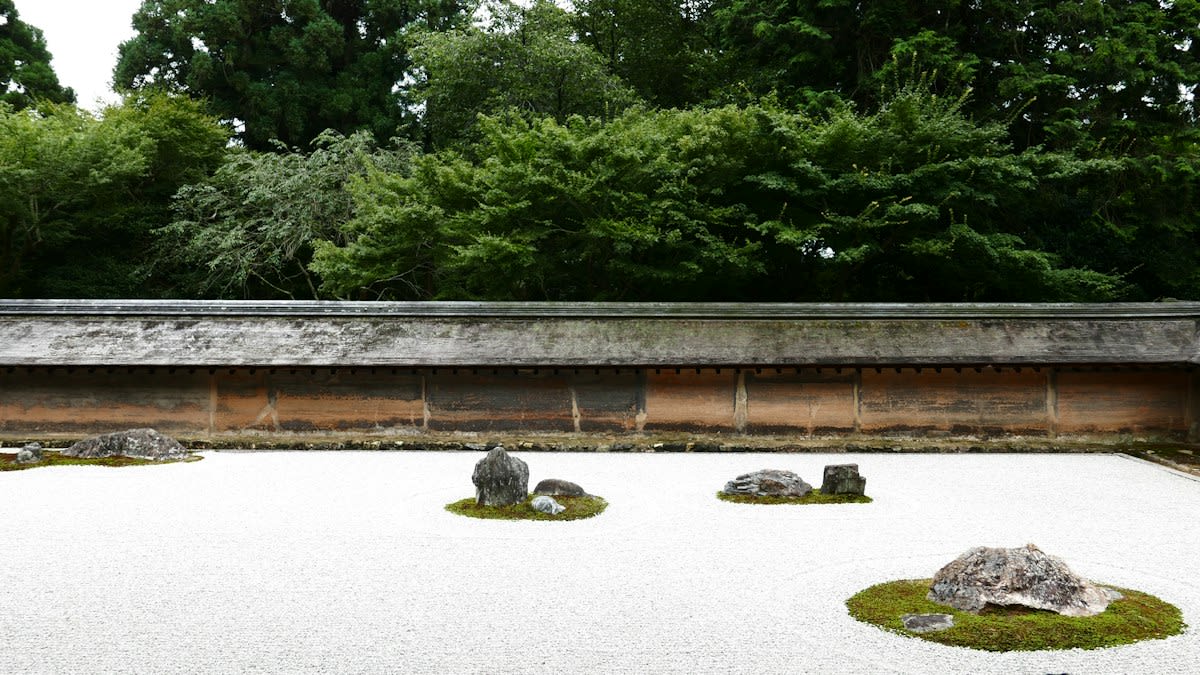
Practitioners on the ground see this as a clash of values. In Kyoto, a monk might see the 42 million tourists as a distraction from the purity of the practice. In contrast, the wellness architect sees the visitor as a data point on a biological scorecard. The friction occurs when a tourist expects the 'wellness' results of a luxury resort—immediate relaxation—from a temple that demands rigorous presence and an acceptance of discomfort.
The Failure Point
The primary failure point of the modern wellness move is its avoidance of identity confusion. Luxury resorts and university Zen Dens focus on the body's response to stress. They use warm oil and nap pods to soothe the nervous system. However, they rarely address the existential anxiety that drives the burnout. When the guest leaves the resort or the student leaves the Zen Den, the underlying cause of their restlessness remains untouched.
True Zen, as described by practitioners, is not about the absence of storms but the ability to see them without distortion (Source: GuruThanet). By treating burnout as a biological error, the wellness industry removes the necessary catalyst for growth. The result is a cycle of temporary relief followed by a return to the same stressors, leading to a permanent dependence on 'wellness' interventions.
Kyoto's temples are becoming the backdrop for this cycle. The tea ceremony is no longer just about harmony and respect; it is often a box to be checked on a tourist's itinerary (Source: Trovatrip, 2026). When the spiritual becomes a product, the purity of the experience is the first thing to erode. The result is a hollowed-out version of mindfulness that serves the ego rather than dissolving it.
Editorial Note
The data indicates a move from spiritual discipline to biological management. While 42 million tourists visit Japan for the 'feeling' of Zen, the actual tools they use—from nap pods in Alabama to TAIM in Qatar—prioritize physical recovery over mental clarity.
Fact-Check
Fact-Check & Accuracy Note: All tourism statistics are based on reports cited in Knox Magazine (2026). Specific shrine details and ceremony protocols are sourced from Trovatrip (2026). Wellness modalities including Shirodhara and TAIM are attributed to Destination Deluxe (2026).