The Myth of the Local Artisan
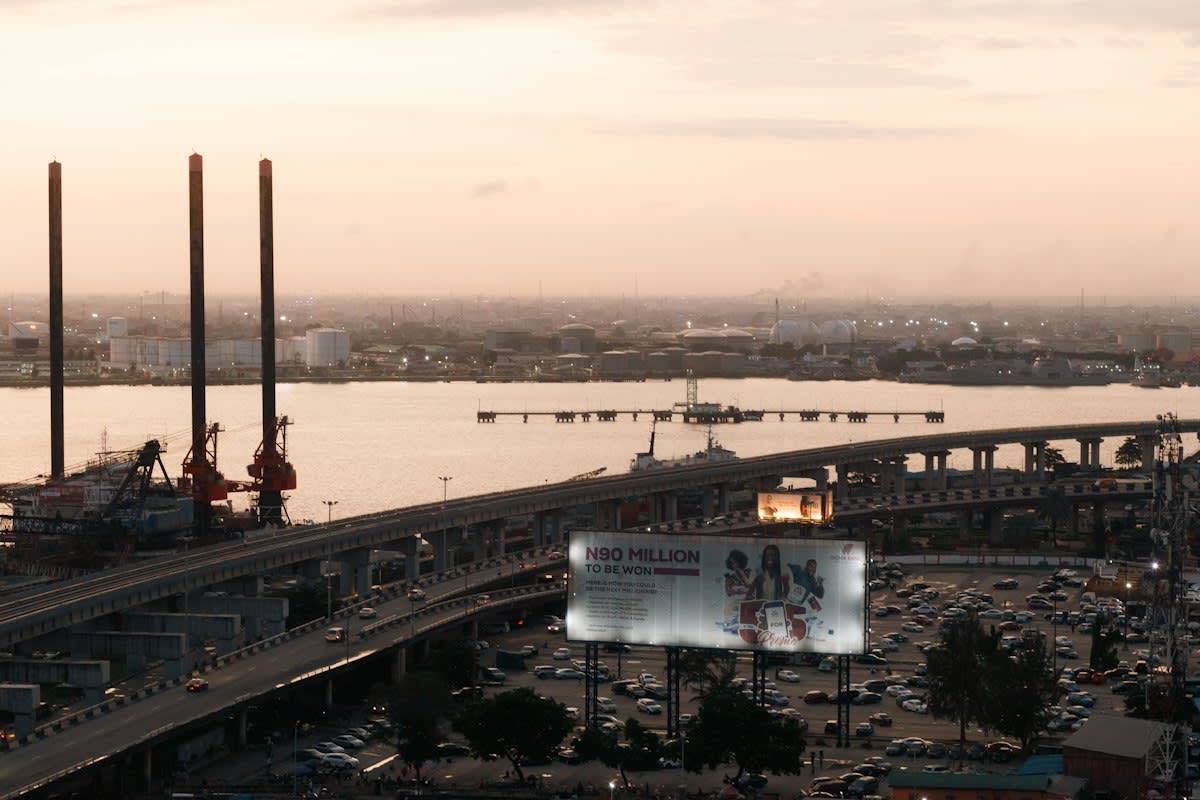
For decades, the global North viewed African creativity through a reductive lens, categorizing it as 'folk art' or 'ethnic craft.' This framing served a specific purpose: it kept the production of value centered in European capitals while treating the periphery as a mere mood board. But look at Lagos today and you will see a complete dismantling of that hierarchy. The city has evolved into a high-velocity laboratory where the friction of urban survival meets a sophisticated understanding of global luxury. This isn't about making traditional beads look modern; it is about redefining the systemic logic of design from the ground up.
The scale of this ambition became undeniable during Design Week Lagos 2026, which showcased 180 distinct ideas aimed at shaping the future of African design (Source: Forbes, 2026). What stood out wasn't just the aesthetic variety, but the aggressive focus on commercial viability. The practitioners here are no longer asking for a seat at the table of established design houses; they are building their own tables, using local materials and supply chains to create products that can compete in New York, Tokyo, or Paris without losing their cultural soul. Why should the definition of a 'viable product' be dictated by a boardroom in Milan?
This shift represents a move from the 'curiosity' phase to the 'infrastructure' phase. When 180 ideas are presented not as art projects but as commercially scalable products, the conversation changes from aesthetics to economics (Source: Forbes, 2026). We are seeing the emergence of a design ecosystem that understands how to translate raw creative conviction into a brand identity that commands a premium price. This is a systemic pivot that mirrors the rise of Seoul's creative class a decade ago, where local identity became the primary driver of global export value.
Negotiating the Price of Luxury
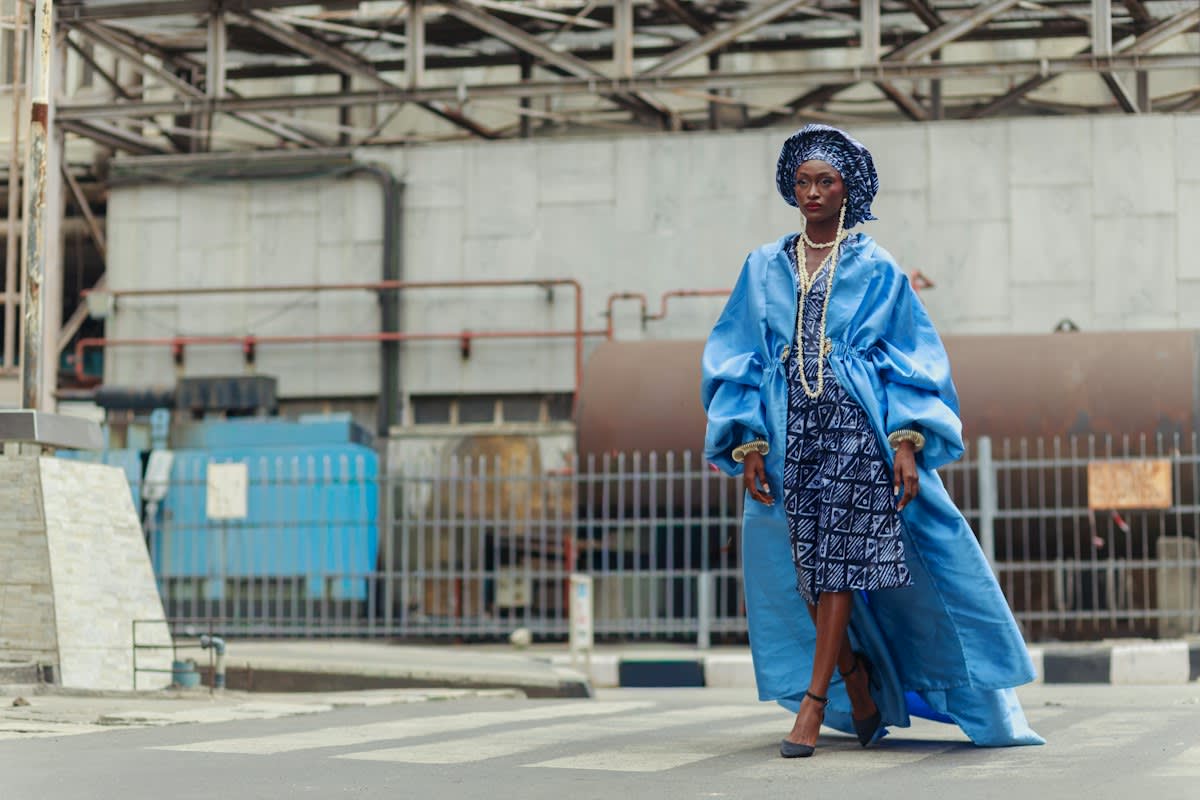
Luxury is often mistakenly equated with a high price tag, but in the Lagos underground, the debate is far more nuanced. It is a struggle over the meaning of value itself. Take the case of House of Marvee, which has become a focal point for this tension. The brand is not merely selling garments; it is building a fashion house centered on intricate craftsmanship and a distinctive design identity that refuses to compromise for the sake of mass appeal (Source: Businessday NG, 2026). This creates a fascinating friction in a market that is still negotiating what it means to be a 'luxury brand' within a Nigerian context.
"The moment raised a question that extends beyond a single garment: what does it mean to build a Nigerian luxury brand in a market still negotiating the meaning and value of luxury itself?"— Businessday NG, Analysis of House of Marvee, 2026
As someone who has spent fifteen years analyzing global design shifts, I recognize this pattern. The real work isn't happening in the glossy magazines; it's happening in the arguments between designers and their clients about why a hand-stitched piece of Nigerian couture should cost as much as a piece from a legacy French house. This is where the 'experience layer' of the industry resides. Practitioners are debating whether to adopt the rigid quality standards of the West or to invent a new set of benchmarks that prioritize the story of the maker and the resilience of the material over a sterile, industrial perfection.
On the ground, this looks like a chaotic but brilliant scramble. Designers are fighting with inconsistent power grids and fragmented logistics while trying to maintain a level of precision that satisfies a global elite. They aren't complaining; they are adapting. They are creating 'just-in-time' production models that would baffle a traditional European atelier. This adaptability is the secret sauce of the Lagos aesthetic—it is luxury born from necessity, which makes it far more resilient than luxury born from excess.
| Dimension | Legacy Global Luxury | New Lagos Aesthetic |
|---|---|---|
| Source of Value | Heritage and Brand Longevity | Craft Conviction and Identity |
| Production Logic | Centralized Industrial Precision | Adaptive, Localized Craftsmanship |
| Market Goal | Exclusivity through Price | Commercial Viability via Innovation |
| Aesthetic Driver | Preservation of Tradition | Fusion of Traditional and Futuristic |
Afrofuturism as a Visual Operating System
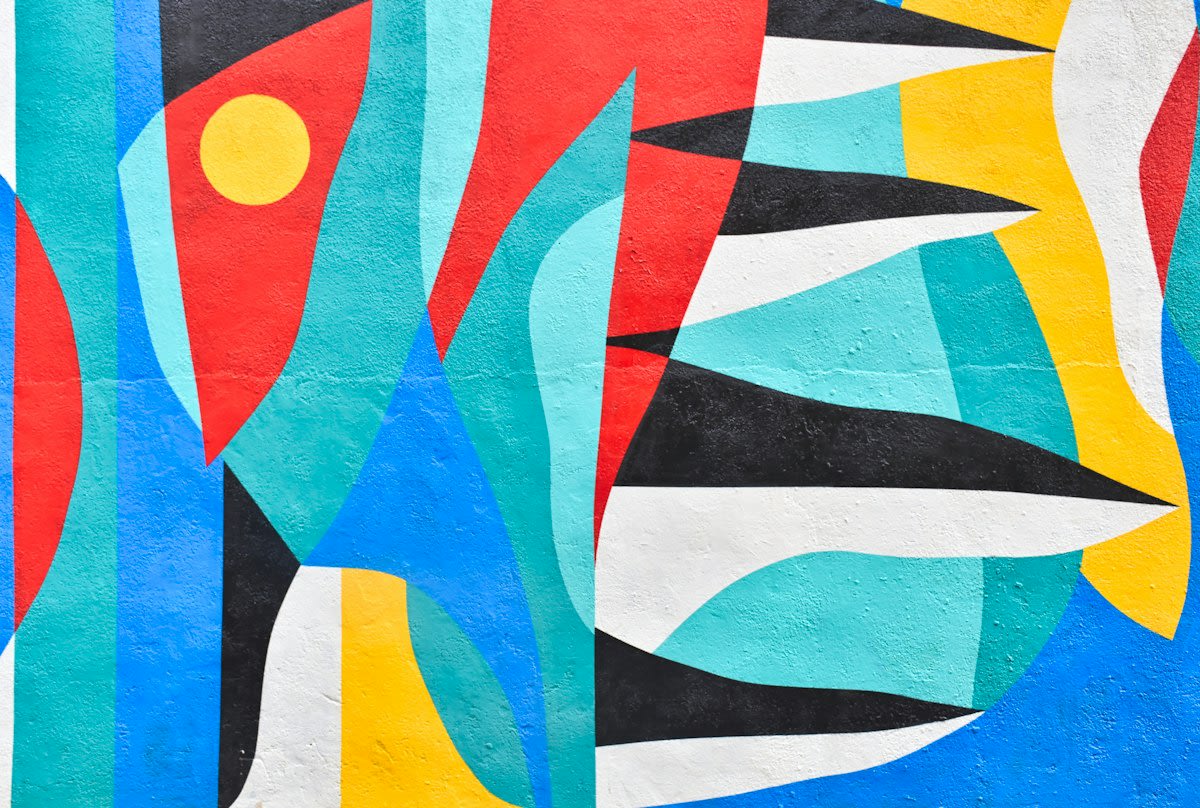
While fashion and product design capture the headlines, the intellectual engine driving this movement is Afrofuturism. This isn't just a genre of film or a style of painting; it is a visual operating system. By merging traditional African aesthetics with futuristic elements, artists are creating a new language for the 21st century. The influence of figures like Jean-Michel Basquiat and Wangechi Mutu is evident in how the current underground merges the ancestral with the avant-garde (Source: Facebook/Afrofuturism Art Group, 2026). They are not looking back with nostalgia; they are using the past as a launchpad for a speculative future.
This synthesis is appearing in every corner of the city's creative output. In interior design, firms like Teal Harmony Design are moving away from the bland, imported minimalism that dominated the 2010s, opting instead for spaces that reflect a native sense of luxury (Source: Instagram/TealHarmonyDesign, 2026). They are integrating lighting, furniture, and spatial flow in ways that challenge the Eurocentric notion of what an 'office' or a 'home' should look like. This is the spatial manifestation of the same rebellion seen in the fashion houses: a refusal to be a derivative of someone else's taste.
When you combine the commercial drive of Design Week Lagos with the philosophical depth of Afrofuturism, you get a systemic shift in global aesthetics. We are seeing the rise of a 'Southern Modernism' that is as rigorous as the Bauhaus but as fluid as the streets of Lagos. This movement doesn't seek validation from the North; it seeks to make the North irrelevant. The question is no longer 'Will the world accept this?' but 'How quickly can the world adapt to this?'
This evolution mirrors the trajectory of other global creative hubs. In the 1990s, Tokyo's underground redefined minimalism; in the 2000s, Berlin redefined industrial grit. Lagos is now doing the same for the intersection of heritage and luxury. By treating their local constraints as design features rather than bugs, these creators are engineering an aesthetic that is inherently more honest and urgent than the curated luxury of the West.
Editorial Note
This analysis focuses on the systemic shift toward commercial viability and the redefinition of luxury. It avoids the common 'rising star' narrative to examine the underlying economic and philosophical infrastructure being built in Lagos.
Fact-Check & Accuracy Note
Key claims regarding the 180 design ideas are sourced from Forbes (2026). Discussions on luxury value and House of Marvee are sourced from Businessday NG (2026). Afrofuturist influences are attributed to documented art movements cited in community research. The specific commercial trajectory of interior design is based on current portfolio shifts observed via Teal Harmony Design (2026).